Reviews · Meta
Ray-Ban Meta Wayfarer Gen 2: The Smart Glasses People Will Actually Wear
Announced May 31, 2026, the Ray-Ban Meta Wayfarer Gen 2 redefines what smart eyewear can be, shedding the 'science experiment' aesthetic of earlier models.
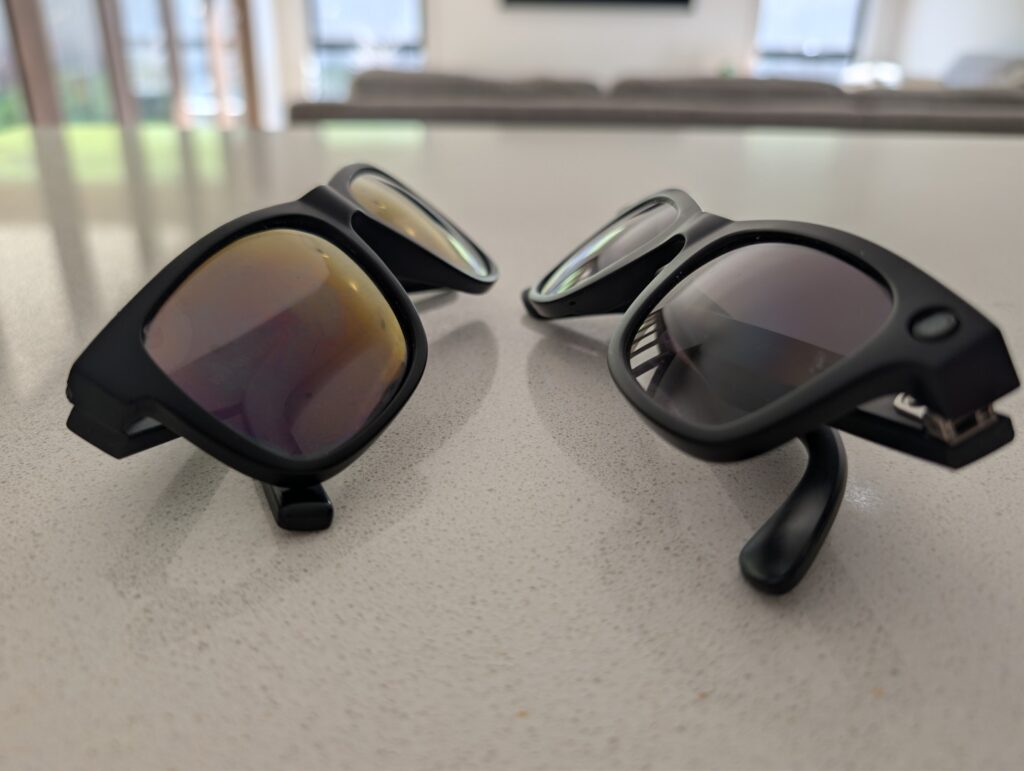
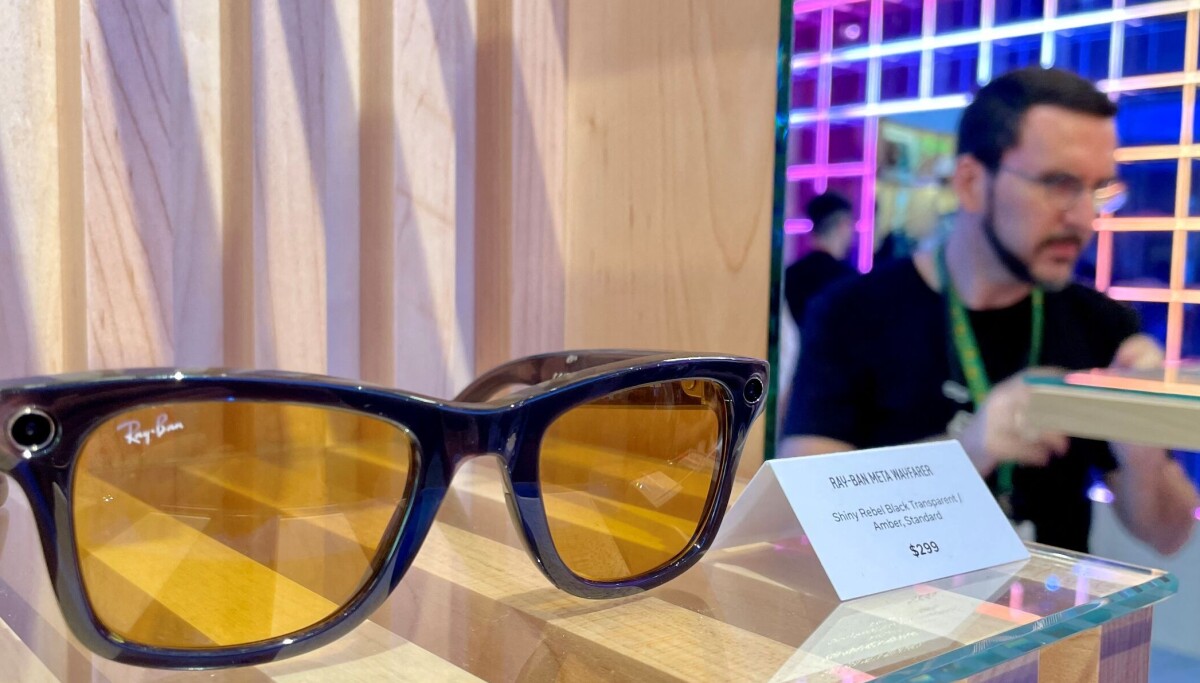
The Ray-Ban Meta Wayfarer Gen 2, unveiled on May 31, 2026, is generating considerable buzz as a potential turning point for smart eyewear. A recent review from TechAU highlights these glasses as perhaps the first truly desirable pair for everyday wear, praised for their discreet design that avoids the 'science experiment' look often associated with the category.
For years, the promise of smart glasses outstripped their practical appeal. TechAU's reviewer, a longtime sunglasses user, notes that previous iterations fell short, often looking awkward or intrusive. The Wayfarer Gen 2, however, integrates its smart features so seamlessly that it functions primarily as a stylish pair of sunglasses, with added capabilities that don't compromise aesthetics.
Our take: Mainstream adoption for smart glasses hinges entirely on design. Meta and Ray-Ban clearly understand this, focusing on fashion-first integration. The success of the Gen 2, as TechAU suggests, signals a critical shift from tech novelty to genuine lifestyle product. This move is essential for moving beyond early adopters and into the broader consumer market.
## How it compares
To understand where the Wayfarer Gen 2 fits into Meta's strategy, it helps to examine the company's evolving hardware portfolio. In August 2025, Meta released the Oakley Meta HSTN, officially launched on August 26, 2025, for $399. Those AI glasses weighed 48 grams, lacked a display, and featured a 12 MP camera with 1080p video alongside an 8-hour battery life. That release demonstrated Meta's commitment to established eyewear styles, proving smart frames could appeal to lifestyle buyers who value recognizable branding.
Update: Since this article was published, the Ray-Ban Meta (Gen 3) became available on September 23, 2026, starting at $449. The Gen 3 frames introduced a slimmer profile with a customizable action button, open-ear stereo speakers with Dolby Atmos playback, and a 6-microphone array offering over 90% background-noise reduction. With a 12 MP camera shooting 3K Ultra HD video, a 9-hour battery life, Bluetooth, Wi-Fi, and companion phone support, Gen 3 integrated Meta AI and the Muse personal AI agent, with Dolby Atmos 360-degree capture due later in 2026.
Update: Since this article was published, Meta developed the Ray-Ban Meta Audio. Shipping October 13, 2026, with pre-orders starting at $349, these camera-free glasses weigh 43 grams without a display. They feature 12 hours of battery life, four case charges, open-ear stereo speakers, and a 6-microphone array running Meta AI and Muse. As we reported on October 27, 2026, in "Meta's Audio-Only Ray-Bans Pose a Pricey Dilemma," the frames offer discreet AI assistance, though their premium price raises questions for buyers comparing audio utility to camera-equipped models.
## What to watch next
Update: Since this article was published, Meta announced several products. At Connect 2026, the company announced Meta Capri, a cat-eye style of camera glasses with open-ear audio, Bluetooth, companion phone pairing, and Meta AI plus Muse, with pricing and specifications unannounced. Meta also announced Meta Fury for September 2026, featuring on-device AI and cameras in a limited-edition clear frame with mirrored lenses, initially exclusive to Connect and Meta Labs.
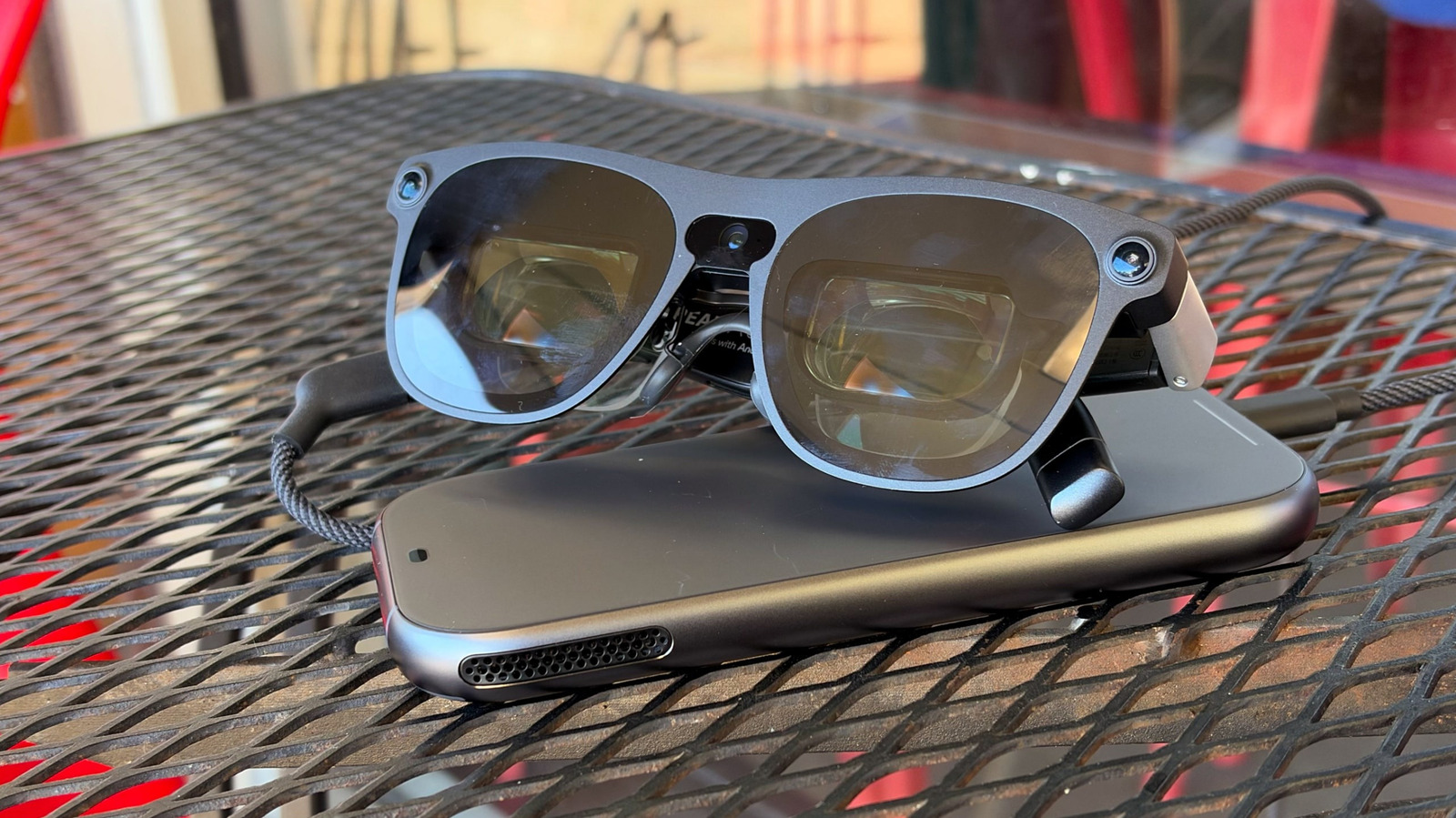
Update: Since this article was published, plans were announced for Meta VR Glasses for spring 2027 at $1,299.99 (or $1,300). These 100-gram display glasses require a fiber-optic tether to an external puck with a Snapdragon Reality Elite chip. Built for cinema, live sports, and workspaces, they feature dual micro-OLED Infinite Displays at 2412 x 2288 resolution per eye at 120 Hz, a 3-hour battery, spatial audio with Dolby Atmos, and support for IMAX Enhanced and Dolby Vision, with no onboard cameras.
However, the subtle styling praised in the Wayfarer Gen 2 has also drawn regulatory scrutiny. Update: As we reported on October 22, 2026, in "EssilorLuxottica's Ray-Ban Meta Dominance Faces Mounting Regulatory Scrutiny," discreet designs have caught the attention of European privacy watchdogs. In addition, as we reported on October 31, 2026, in "US Senators Demand Answers from Meta Over AI Glasses Privacy Risks," lawmakers Ron Wyden and Edward Markey pressed Mark Zuckerberg on bystander safety and contractor access to recorded footage. Balancing subtle everyday design with privacy expectations remains a defining challenge for Meta's eyewear lineup.
Interactive guide: prices, displays, cameras, battery.
Share this story