Analysis · Meta
Ray-Ban Meta Gen 3 and Xreal Aura Face Harsh Reality in Latest Reviews
Recent hardware reviews reveal growing pains across smart eyewear, as iterative upgrades and software hurdles stall momentum.
In a hardware review retrospective published on November 21, 2026, engadget.com took stock of the latest wave of consumer tech, putting two distinct visions of smart eyewear under the microscope. The evaluation covered Meta's refreshed Ray-Ban Meta (Gen 3) alongside the newly minted Xreal Aura. Both products represent critical milestones for their respective form factors, yet the verdicts suggest that smart glasses are entering a challenging phase where hardware price increases are outstripping practical software utility.
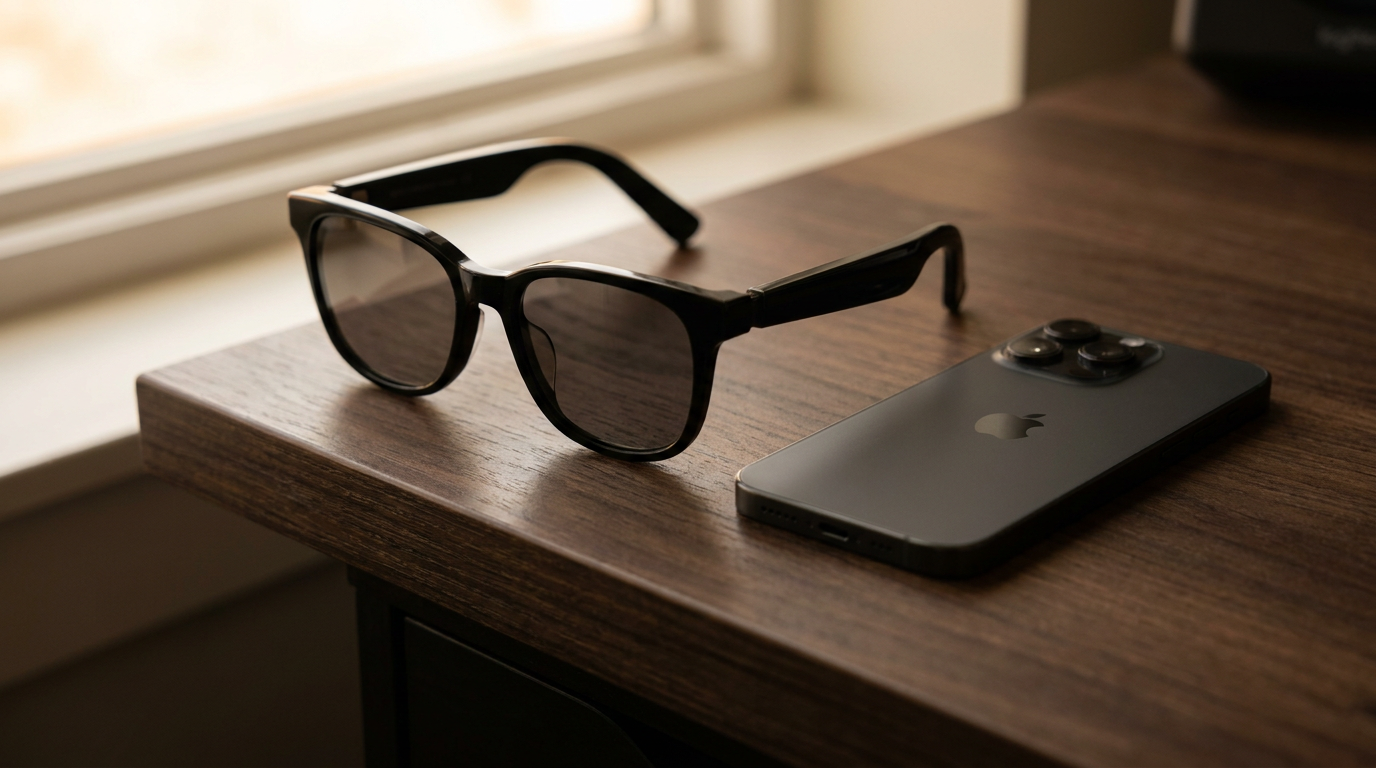
For Meta, the Ray-Ban Meta (Gen 3) serves as the newest iteration of its mainstream smart glasses formula. The hardware sticks firmly to what worked previously: integrated cameras, open-ear audio, and onboard AI processing, while once again completely eschewing visual displays. However, that conservative approach may be hitting diminishing returns. According to engadget.com senior reporter Karissa Bell, the third-generation frames carry a higher price tag without delivering a commensurate upgrade in daily utility over the previous generation, leaving the hardware feeling more like an incremental revision than an essential upgrade.
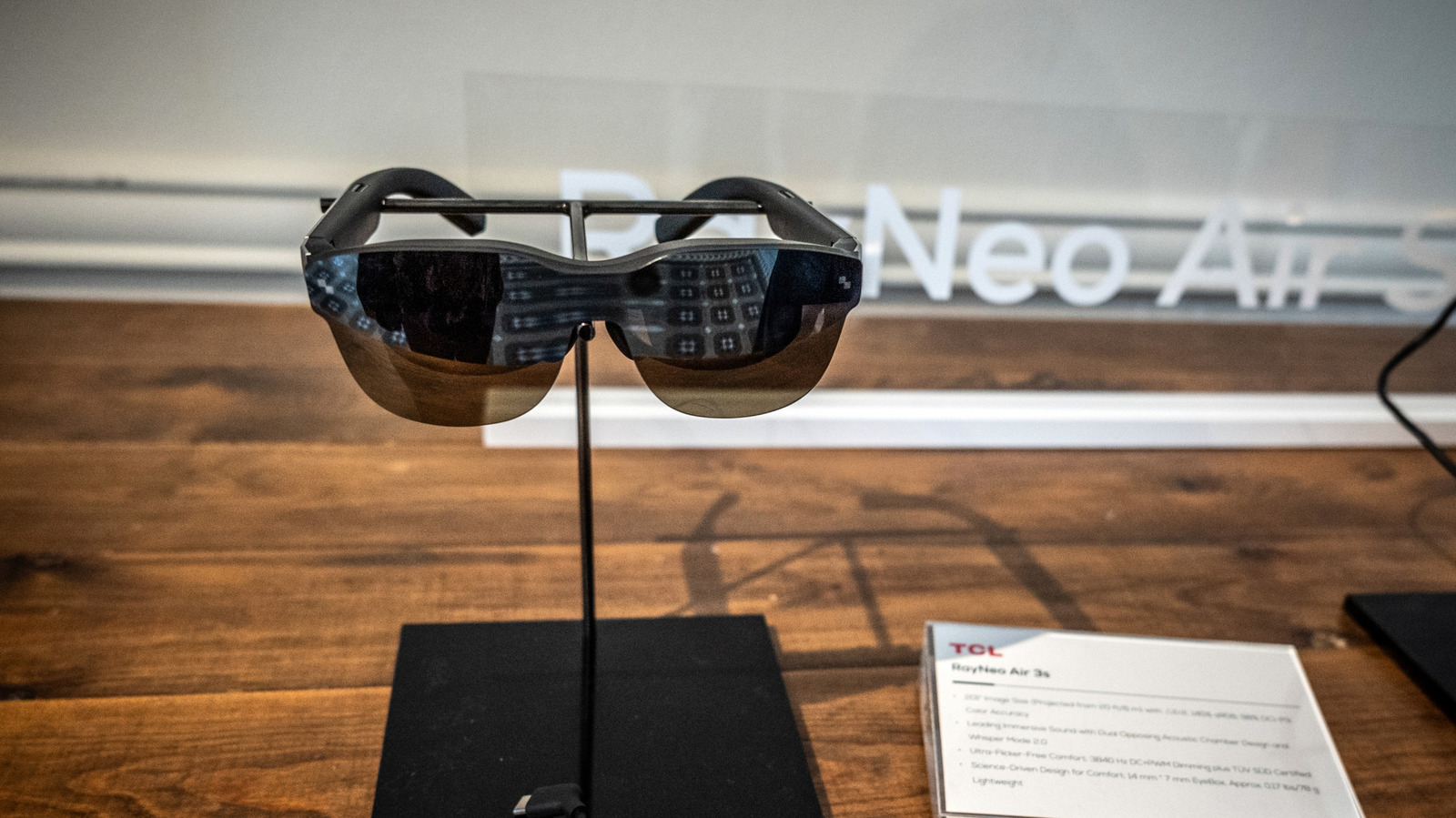
Meanwhile, Xreal's Aura takes an entirely different direction by offering full augmented reality visual displays, but it runs into serious friction on the software front. The device serves as an early vehicle for Google's dedicated spatial operating system, Android XR. As engadget.com reviewer Devindra Hardawar observed, capable optical hardware is not enough to compensate for an operating system that still feels unpolished. Hardawar stated that 'Xreal has delivered yet another light, bright and comfortable pair of AR specs with the Aura, but it's clearly hampered by a half-baked Android XR platform.'
Pricing also poses an acute problem for the Aura. Xreal built its reputation on producing relatively affordable, tethered visual display glasses such as the Air series, which typically retailed between $300 and $450. By contrast, the Android XR-powered Aura swings significantly upstream. Hardawar pointed out that 'Android XR is a major reason why it costs twice as much as the company's previous hardware,' creating a steep barrier to entry for early adopters who must endure platform growing pains while paying premium hardware prices.
What this means: The smart eyewear market is experiencing a stark bifurcation, and both sides are struggling to nail the value proposition. Displayless AI glasses like the Ray-Ban Meta Gen 3 risk consumer fatigue if incremental camera tweaks and price bumps outpace meaningful ambient AI intelligence. On the other end, AR spectacles like the Xreal Aura prove that even when optical hardware achieves impressive comfort and brightness, relying on nascent ecosystem software like Android XR can severely handicap the end experience. Until platforms mature and software justifies premium pricing, consumers will remain cautious about upgrading.
Interactive guide: prices, displays, cameras, battery.
Share this story