Guides · FunFitLand
FunFitLand's Smart Glasses Play: Leveraging VR Fitness for Wearable Health
A newcomer to the smart-glasses arena, FunFitLand is carving out a niche rooted in immersive fitness and biometric integration. We dissect their strategy and what it means for the evolving health-tech landscape.
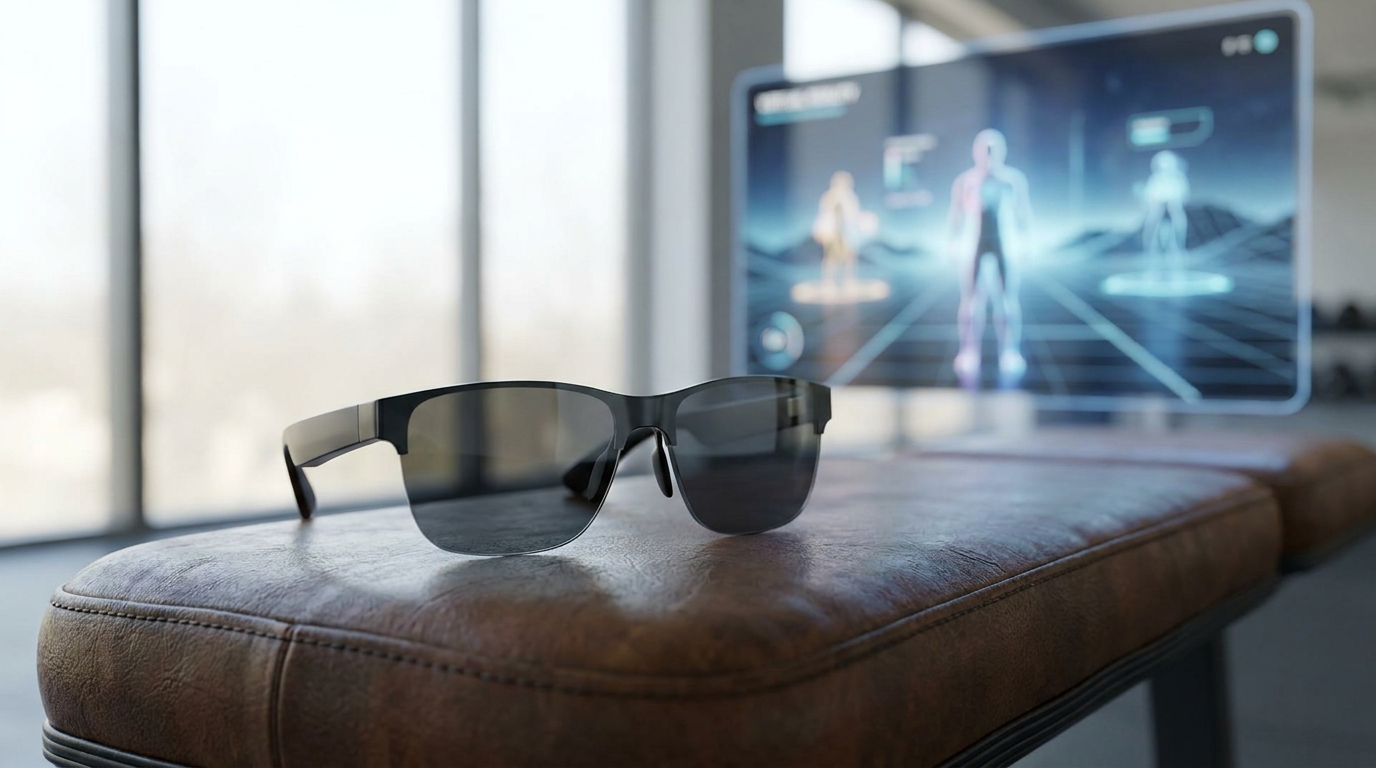
The smart glasses market is on an undeniable ascent, but not every new entrant is playing the same game. While some chase enterprise AR or ubiquitous AI, FunFitLand has emerged with a laser focus: translating the boom in VR fitness into a tangible, data-driven smart eyewear experience. This isn't just about a new gadget; it's about a specific, compelling use case driving innovation.
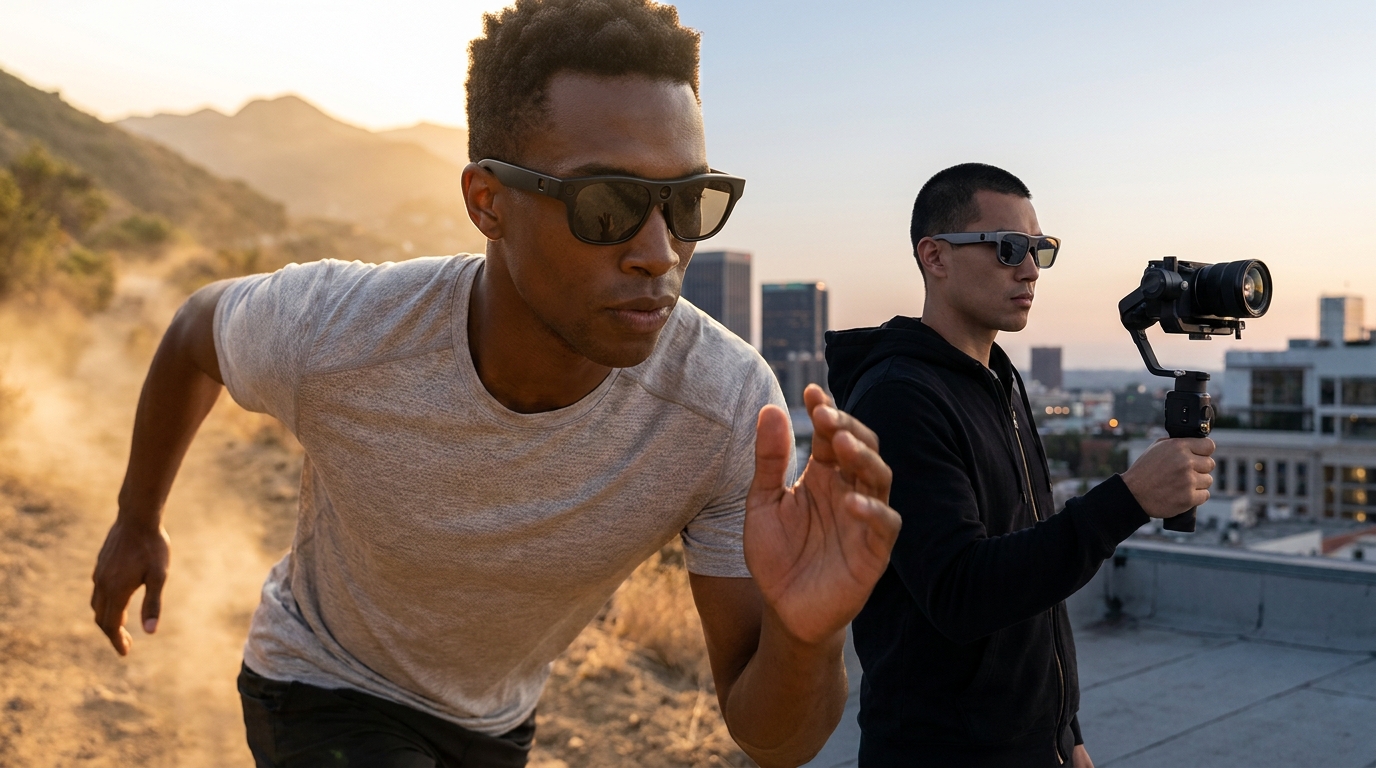
FunFitLand's thesis, as we see it, is that smart glasses can revolutionize personal wellness by providing real-time, actionable insights directly in the user's field of view during physical activity. Their approach points to a future where fitness metrics are not merely recorded, but actively integrated into immersive workouts, creating a feedback loop designed for peak performance and motivation. They're positioning smart glasses not as a general-purpose computer, but as a specialized tool for health.
FunFitLand isn't a legacy tech giant or a well-funded AR startup with years of stealth R&D. They’re a newer name, likely originating from or closely aligned with the burgeoning virtual reality fitness sector. Their entry into the smart glasses conversation isn't through hardware first, but through a clear strategic intent that signals where they plan to innovate.
Their background, inferred from their recent activities, appears to be deeply rooted in enhancing immersive workout experiences. The VR fitness market is booming, driven by platforms like Meta Quest and specific applications that turn exercise into engaging gameplay. FunFitLand’s move is a natural extension of this, seeking to bridge the data gap between external wearables and the immersive digital world.
The timing is opportune. As VR fitness matures, users are increasingly demanding more sophisticated integration of their personal health data. FunFitLand is targeting fitness enthusiasts, VR gamers, and health-conscious consumers who value immediate feedback and a seamless, heads-up display of their vital statistics. This specific niche allows them to bypass the complexities of general-purpose AR for now, focusing instead on a clear, high-value problem.
While Smart Glasses Daily tracks FunFitLand, it’s crucial to note that they have yet to unveil a dedicated smart glasses hardware product. There is no official 'FunFitLand smart glasses lineup' with technical specifications available on their catalog. This positions them as a strategic entrant, signalling their intentions before revealing their hand in terms of physical hardware.
However, their recently launched smartphone companion app, which integrates real-time heart rate data from popular wearables directly into VR fitness sessions, serves as a significant blueprint for their smart glasses vision. This app is their current tangible product in the smart eyewear discourse, demonstrating their commitment to biometric data integration and real-time feedback.
This software-first approach implies a future where FunFitLand’s smart glasses would not just display information, but actively leverage external biometric data streams to enhance immersive experiences. Imagine a smart eyewear device that projects your heart rate, calorie burn, or even personalized coaching cues directly onto your vision during a virtual run, all while dynamically adjusting the workout intensity based on your performance.
In the competitive landscape, FunFitLand stands apart due to its hyper-specialization. Halliday, with its proactive AI glasses featuring DigiWindow, focuses on ambient intelligence and productivity. FunFitLand, by contrast, is not aiming for a general-purpose AI assistant but a performance enhancer tailored specifically for physical activity.
Similarly, INMO's Air 2 and GO real-time translation glasses are built for immediate, practical utility in communication. While both FunFitLand and INMO target consumer-friendly form factors, their core applications diverge sharply: language barriers versus fitness plateaus. FunFitLand's potential hardware will likely prioritize sensor integration and robust display for dynamic data over translation capabilities.
Magic Leap 2, on the far end of the spectrum, is an enterprise-grade AR headset designed for complex spatial computing and industrial applications. This comparison highlights FunFitLand's strategic choice to focus on a consumer-oriented, specific vertical. Their likely price point, form factor, and computational demands will be orders of magnitude different, designed for accessibility and single-purpose efficacy rather than broad AR capabilities.
FunFitLand's entry is a bold signal to the market: smart glasses don't have to be everything to everyone. For fitness enthusiasts, VR gamers, and anyone serious about optimizing their workouts, their specialized focus on real-time biometric integration offers a compelling vision. The strength here lies in a clear, high-value problem solved with a strategic software-first move.
The primary weakness, of course, is the current lack of dedicated hardware. FunFitLand's success hinges entirely on their ability to deliver smart glasses that seamlessly integrate their app's capabilities into a comfortable, stylish, and effective device. We'll be closely watching for any announcements regarding their own smart eyewear, particularly how they plan to differentiate their display technology and biometric sensors. The next 12 months will be critical in determining if FunFitLand can evolve from a promising app developer into a definitive smart glasses player.
Interactive guide — prices, displays, cameras, battery.
Share this story