Analysis · —
The Global Gaze: Why 2026 Defines the USA vs. China Smart Glasses Race
While Western brands grapple with privacy, battery life, and open platforms, China's silent rise in smart eyewear promises a different future. The battle for our faces is intensifying, pitting consumer-led innovation against state-backed might.

The year 2026 marks a decisive inflection point in the smart glasses arena, a critical moment that will likely shape the geopolitical tech landscape for years to come. While much of the Western narrative centers on Meta's evolving strategy and Samsung's Android XR play, a far more significant, unspoken contest is unfolding: the race between USA-led innovation and China's formidable, often opaque, tech ambitions.
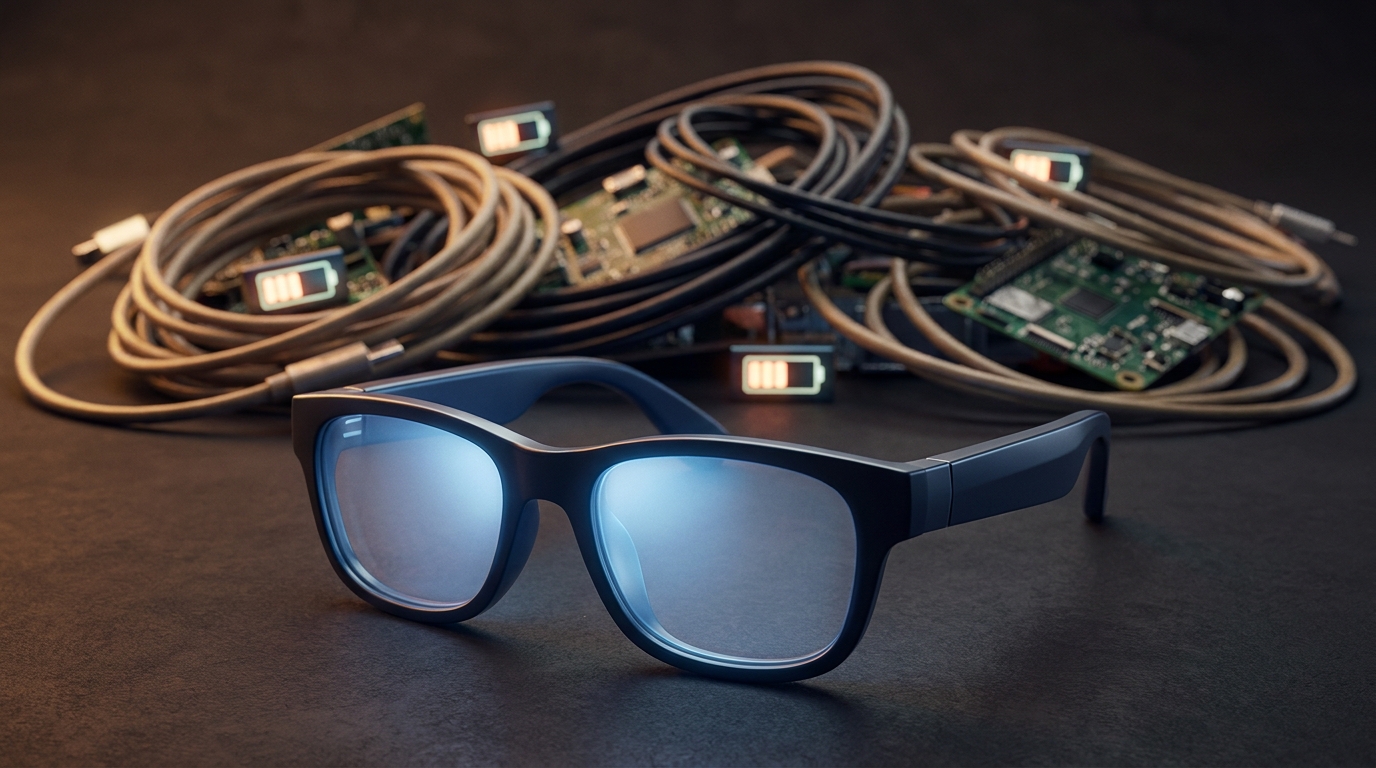
Meta, despite its initial dominance with Ray-Ban AI glasses, has faced an uphill battle. The persistent privacy backlashes, coupled with thermal issues and the inherent limitations of a 'walled garden' ecosystem, reveal deep vulnerabilities. While their groundbreaking Muse AI agent showcases unprecedented potential, Meta's proprietary approach simultaneously constrains the very builders who could truly redefine intelligent eyewear.
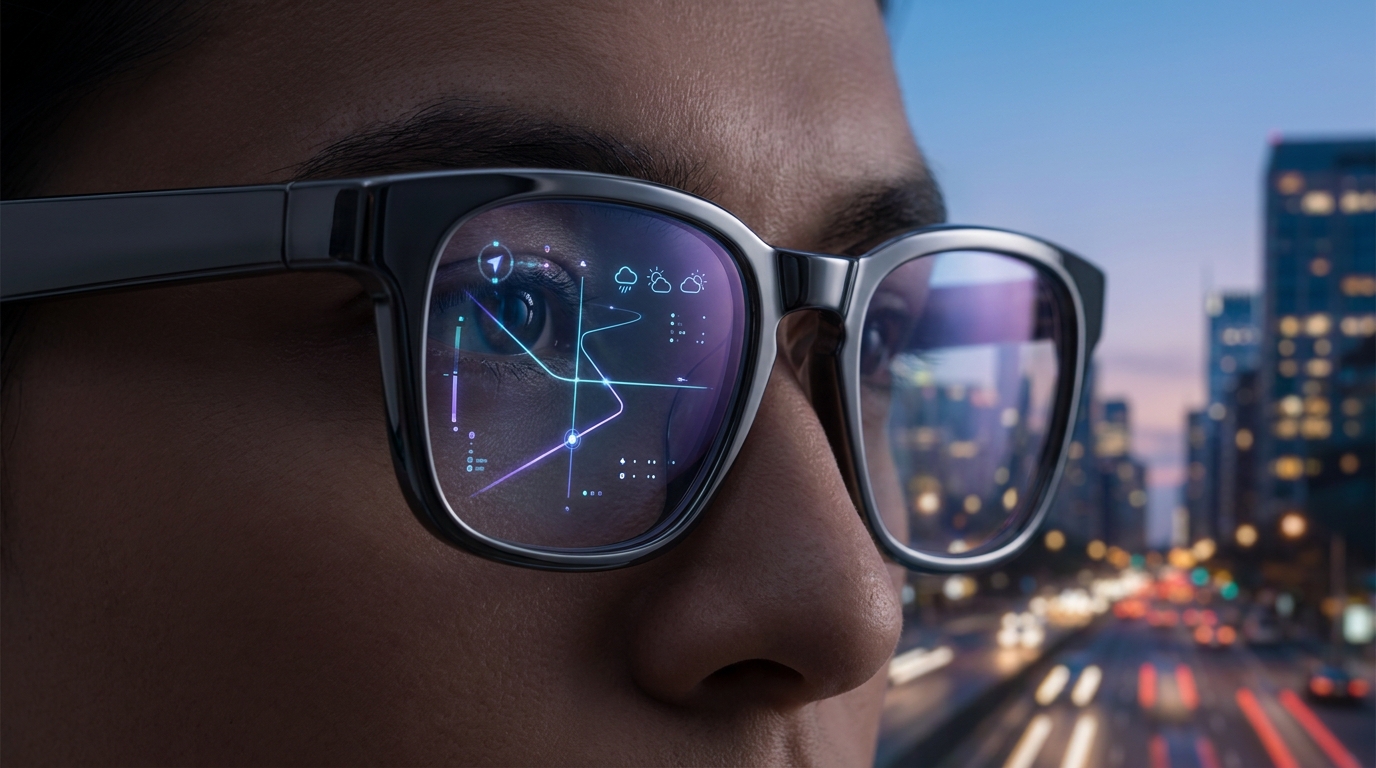
This internal conflict has forced Western players into strategic retreats, famously exemplified by the display-less trend. Ray-Ban Meta Audio glasses and Samsung's upcoming Android XR devices are hailed as privacy-first triumphs, yet they are fundamentally concessions. These designs sidestep the core challenges of battery life and user discomfort with screens, rather than solving them with genuine breakthroughs.
Even Apple, with its Vision Pro, remains firmly entrenched in an expensive, isolating 'AR ghetto', a display-centric vision that struggles for mass appeal. The market's clear preference, underscored by the rapid sell-out of DuckDuckGo's 'Normal F***ing Sunglasses', is for utility and discretion, not pervasive surveillance or cumbersome headsets.
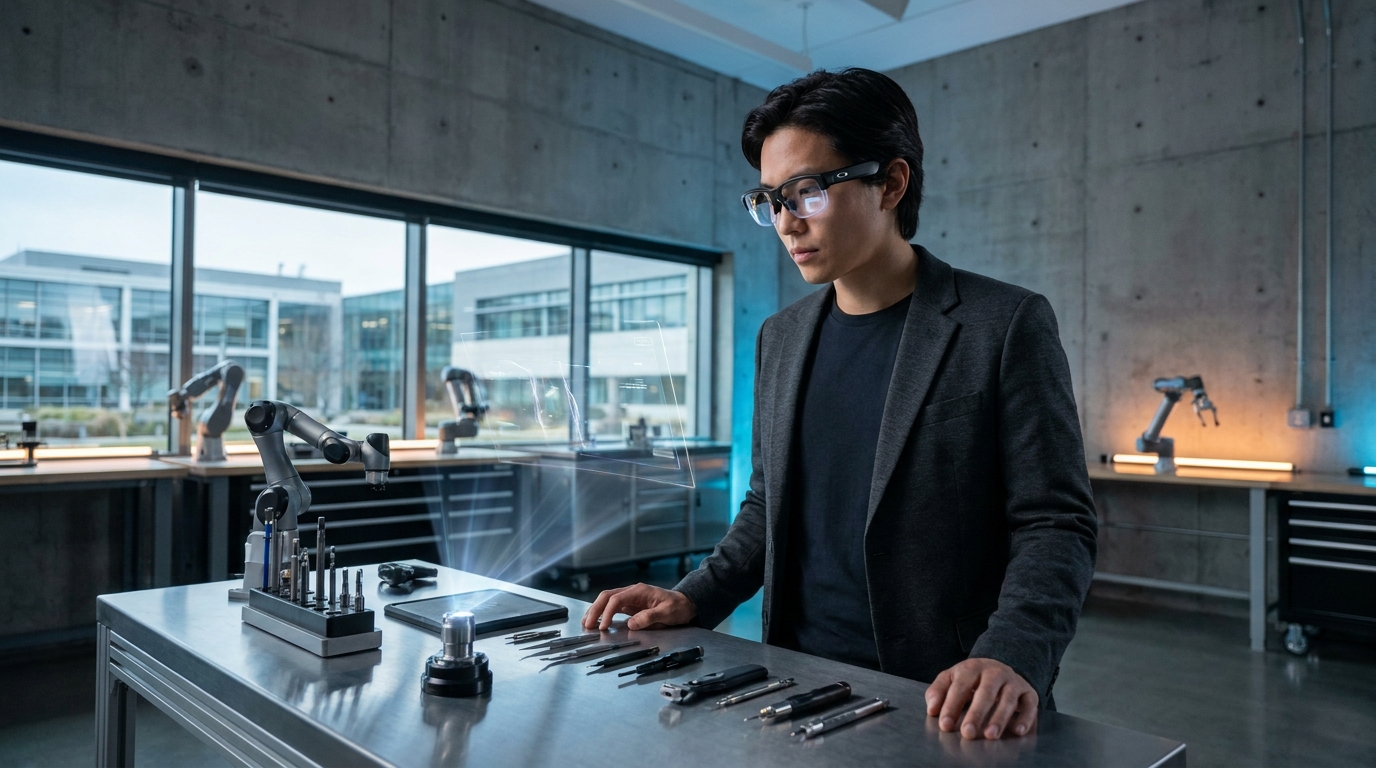
Against this backdrop of compromise, some Western brands are seeking high-value niches. Oakley, a heritage player, is making a decisive leap into smart glasses with the Meta Vanguard, targeting performance and enterprise applications. A clear-lens version specifically eyes industrial environments, though claims of ANSI Z87 safety certification remain unconfirmed, highlighting the stringent requirements for workplace adoption.
While the USA-led narrative grapples with these complexities, China is likely observing, learning, and strategizing. Unburdened by the same Western-style privacy concerns or consumer-driven demands for 'open platforms', China's approach to smart glasses could be vastly different, and potentially more direct in its implementation.
The data and control aspects, often a friction point in the West, might serve as an advantage for Chinese manufacturers and platforms. Where 'Normal F***ing Sunglasses' became a symbol of rejecting surveillance in democratic markets, Chinese users might navigate a different landscape, allowing for broader data collection and AI integration without the same public resistance.
In the AI race, Meta's Muse, with its ability to execute tasks proactively and run code from a persistent cloud-based Linux VM, sets a high bar for intelligent assistance. However, it is naive to assume China is not developing its own powerful, state-aligned AI agents. These could be seamlessly integrated into a wider digital ecosystem, perhaps even more deeply than Western counterparts.
China's manufacturing prowess is another undeniable lever. The ability to rapidly scale production of smart glasses, potentially at lower price points and with diverse feature sets, could enable a swift saturation of both domestic and international markets. This could bypass the iterative, consumer-feedback-driven development cycles seen in the West.
The enterprise market, a crucial segment for Oakley's Meta Vanguard, will also be a battleground. While Western players navigate safety standards and integrate into existing industrial workflows, China might prioritize smart glasses for critical infrastructure, large-scale automation, or even public security, with potentially fewer regulatory hurdles to overcome.
The fundamental problems of smart eyewear- battery life, comfort, and seamless integration into daily life- are universal. However, the *solutions* and the *societal acceptance* of those solutions will be profoundly shaped by the prevailing geopolitical and cultural norms of each region. This is where the true divergence will occur.
By 2026, the smart glasses race is not merely a technological contest, but a competition of philosophies. The USA, with its emphasis on open innovation, privacy, and consumer choice, continues to evolve through trial and error. China, conversely, may pursue a more top-down, integrated approach, leveraging its unique market dynamics and state support to accelerate adoption.
The outcome of this quiet global gaze will determine not just which brands win, but which vision of the future- open or controlled, consumer-led or state-driven- ultimately defines how intelligent eyewear integrates into our lives.
The battle for our faces is only just beginning, and 2026 will lay bare the contrasting strategies poised to capture the next wave of human-computer interaction.
Interactive guide — prices, displays, cameras, battery.
Share this story