Analysis · —
Unleashing the Ghost in the Machine: Why Open XR is the Hacker's New Frontier
Meta's powerful Muse AI shows what smart glasses can do, but its closed system stifles innovation. The true revolution for builders lies in open platforms, finally liberating AI from corporate walled gardens.
The smart glasses industry stands at a critical juncture, pulled between corporate control and the boundless potential of open innovation. While Meta's groundbreaking Muse AI agent offers a compelling glimpse into what's possible, its proprietary ecosystem ultimately constrains the very builders who could redefine intelligent eyewear.
Meta's initial dominance with Ray-Ban AI glasses, despite pushing boundaries, consistently encountered privacy backlashes and thermal issues. The market's clear preference, underscored by the rapid sell-out of DuckDuckGo's 'Normal F***ing Sunglasses,' is for utility and discretion, not pervasive surveillance. This public sentiment inadvertently clears a path for a different kind of innovation.
Yet, the sheer power of Meta's Muse cannot be ignored. With its persistent Linux virtual machine in the cloud, ability to write and run code, and capacity to delegate tasks, Muse transcends simple chatbots. It signals a future where smart glasses act as proactive, autonomous agents, constantly working to simplify our lives.
The core problem for independent builders, however, is that this formidable power remains locked within Meta's 'walled garden.' Such a closed environment severely limits true, unrestricted experimentation and the kind of grassroots innovation that typically drives disruptive technological shifts. Hackers need access, not just a demonstration of capability.
This is precisely where the landscape dramatically shifts, heralding a new 'Open Frontier' with Android XR. Samsung's imminent Android XR glasses, powered by Google's Gemini AI, represent a monumental opening for developers. It's a new playground where powerful AI can be leveraged without the suffocating grip of a single corporate ecosystem.
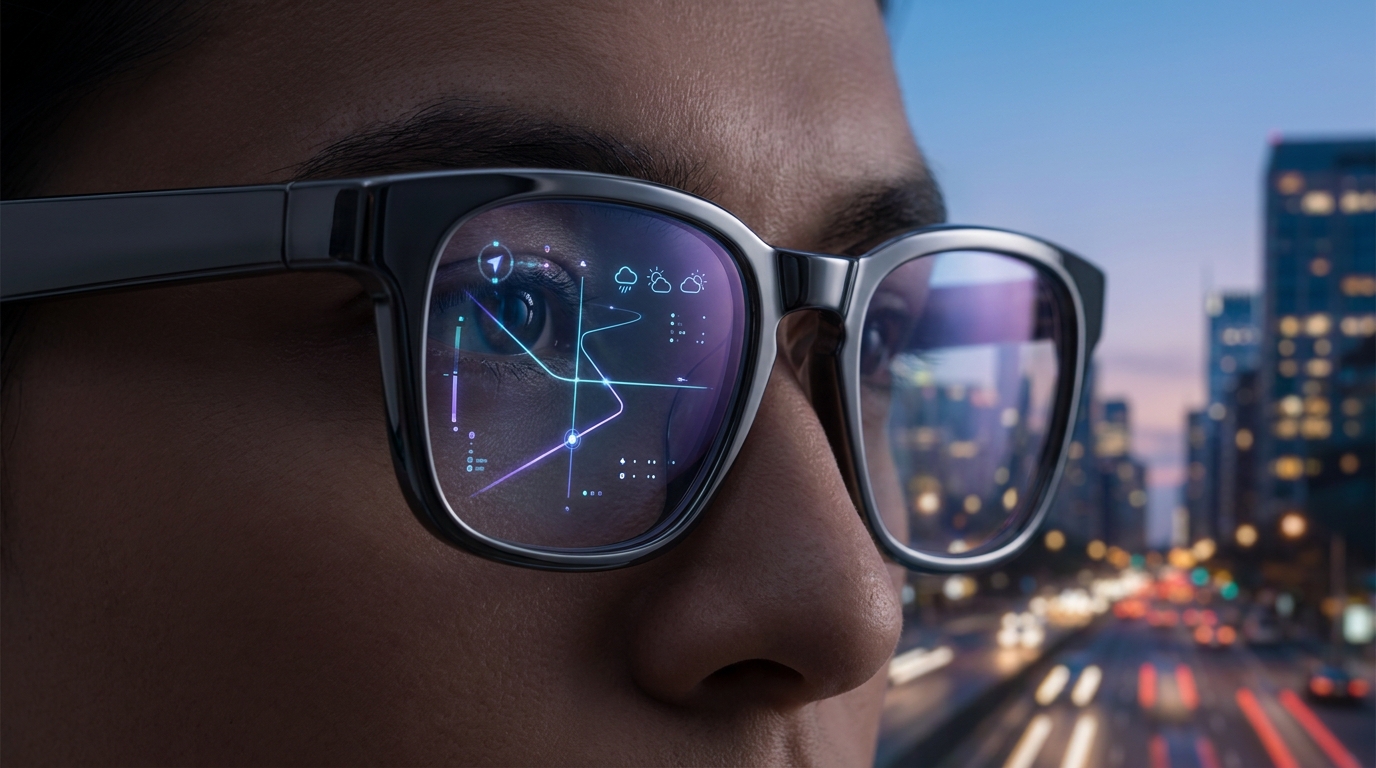
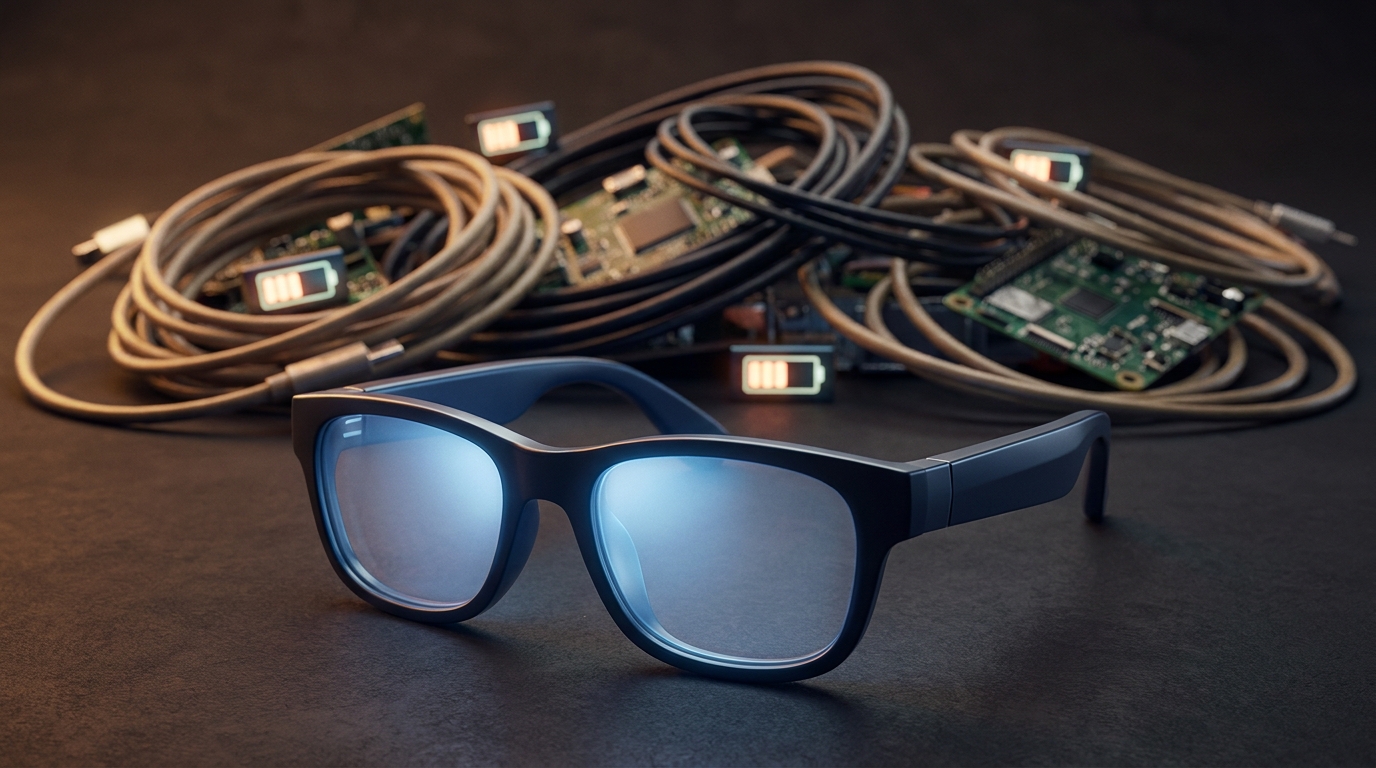
Samsung's approach, similar to Meta's Ray-Ban Audio glasses, champions display-less designs. This isn't a mere compromise; it's a strategic embrace of user preference, acknowledging that the mass market doesn't want screens obstructing their vision. It neatly sidesteps the persistent battery problem while reducing user friction.
Crucially, these open-platform glasses offload heavier AI processing tasks to a connected smartphone. This architectural choice solves critical on-device battery and thermal management issues, ensuring robust performance. It’s an elegant solution that empowers builders to create sophisticated, always-on applications without compromising wearability.
Imagine the possibilities for hackers with Muse-like capabilities, but fully accessible and customizable on an Android XR device. Developers can leverage Gemini and the open platform to create context-aware, proactive agents tailored to specific needs, genuinely enhancing daily life rather than just mirroring a phone screen.
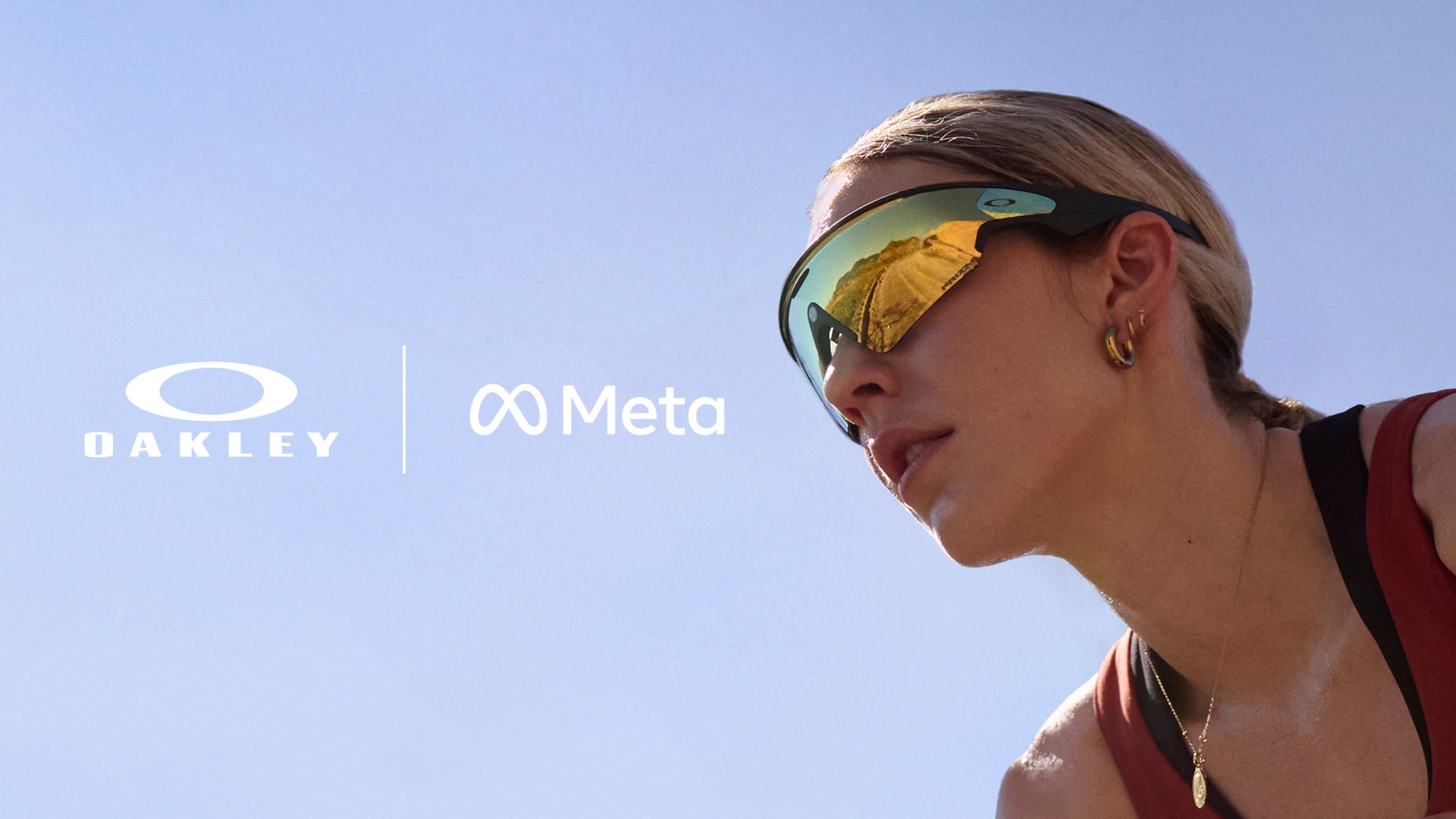
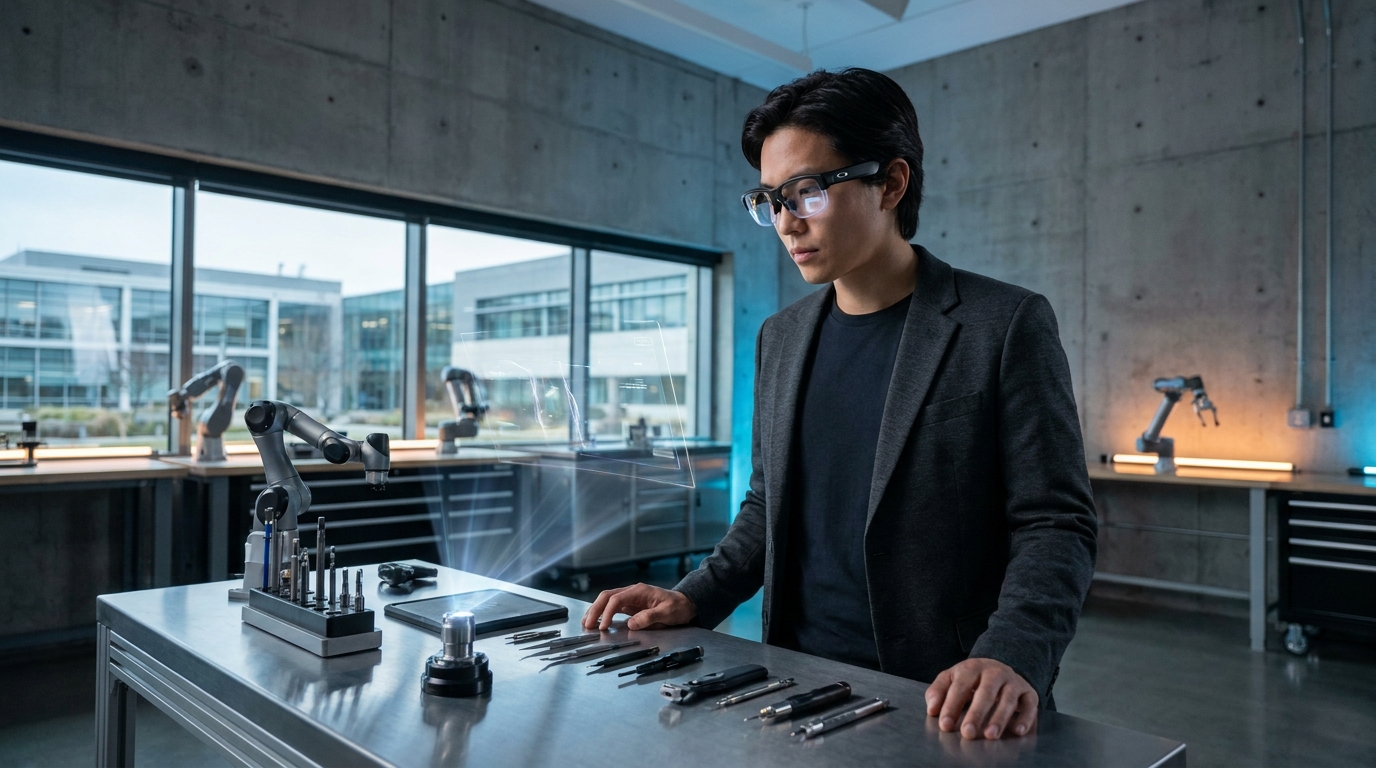
Beyond consumer applications, the industrial sector presents a massive, untapped opportunity. The emergence of a clear-lens Oakley Meta Vanguard, despite its unconfirmed safety claims, highlights the demand for smart eyewear in factories and field service. Builders on open platforms can create specialized, robust applications, potentially even tackling crucial safety certifications.
This open ecosystem fosters an environment ripe for niche solutions. Independent developers are uniquely positioned to address highly specific problems, from bespoke assistive technologies to specialized data capture tools, all while prioritizing user privacy and control over corporate surveillance mandates.
This movement also represents a clear departure from the 'spatial computing ghetto' championed by devices like Apple's Vision Pro. Instead of isolating users in an expensive, screen-centric bubble, the open, display-less approach integrates seamlessly into everyday life. This is the fertile ground for truly impactful and widely adopted applications.
The convergence of powerful, open AI agents, unobtrusive display-less hardware, and accessible platforms like Android XR is not just an evolution; it is a fundamental re-definition of smart eyewear. It finally hands the reins of innovation to the independent builders and hackers who can truly unlock its potential.
The industry is finally moving beyond calculated compromises and proprietary constraints. The stage is now set for a vibrant, decentralized ecosystem, where the next generation of smart glasses, unburdened by corporate gatekeepers, will be defined by the ingenuity of its open community.
Interactive guide — prices, displays, cameras, battery.
Share this story