Guides · BleeqUp
BleeqUp's Vision: How a Newcomer Redefines AI Glasses for Capture and Sport
BleeqUp enters the smart-glasses arena not with spatial computing, but with precision capture and dedicated AI. This brand guide unpacks their strategy, products, and whether they pose a real threat to incumbents.
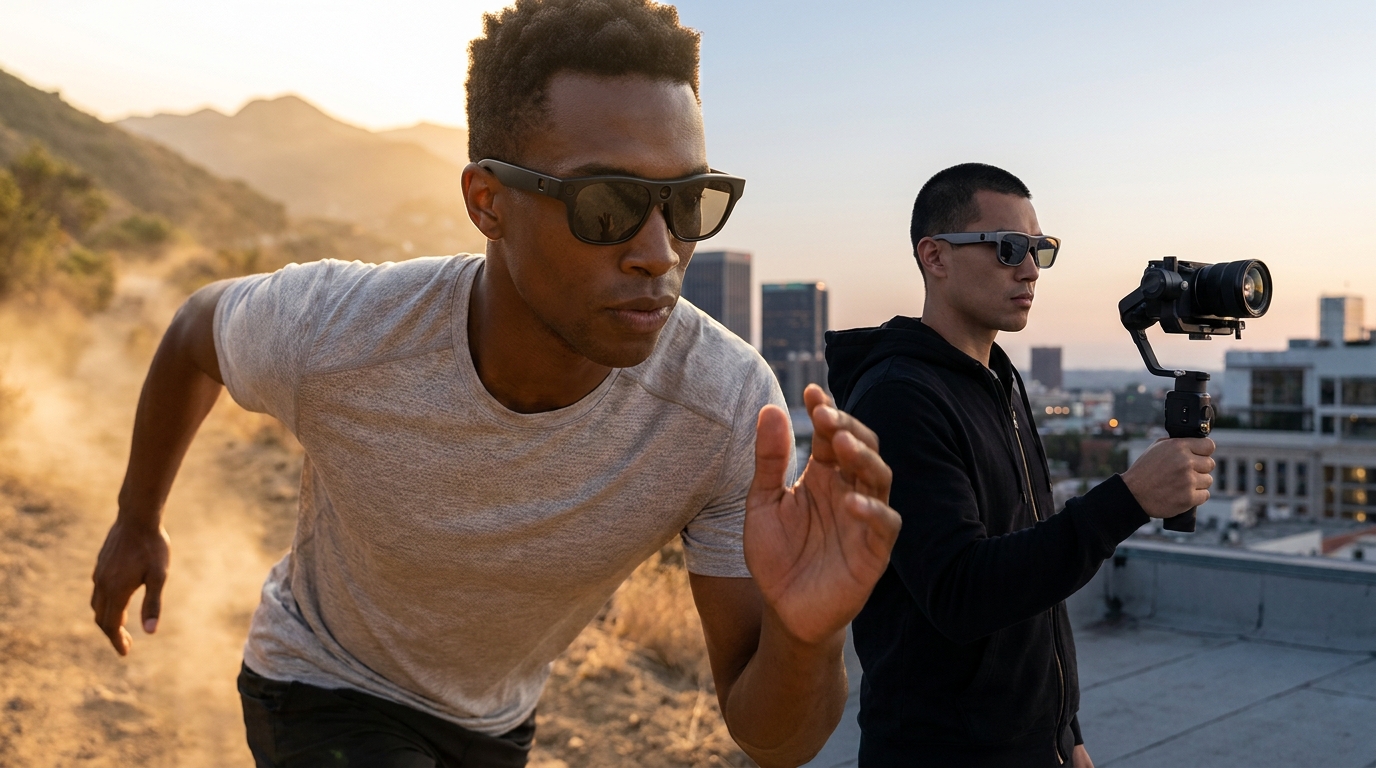
A new player has entered the smart-glasses fray, and rather than chasing the elusive augmented reality dream, BleeqUp is squarely focused on a more immediate, tangible utility: advanced hands-free capture and on-device AI assistance. Their debut products, the Rover and Ranger, signal a strategic pivot in what we expect from everyday smart eyewear, emphasizing robust camera hardware and specialized artificial intelligence tailored for active lifestyles and content creation. This isn't about overlaying digital objects onto the real world; it's about seamlessly documenting it and enhancing real-time experiences.
BleeqUp's approach cuts through the noise of conceptual AR by delivering practical tools today. They aim to embed powerful recording capabilities and intelligent assistance directly into familiar eyewear form factors, challenging the notion that smart glasses must always be display-centric. In a market ripe for diversification, BleeqUp's camera-first, AI-driven strategy warrants immediate attention, particularly from athletes, outdoor enthusiasts, and creators seeking a discreet, high-performance solution.
Though a fresh face on our radar, BleeqUp's entry suggests a keen understanding of maturing smart-glasses technology and an underserved niche. Many consumers are still hesitant to adopt bulky AR headsets, but lightweight, camera-equipped glasses with subtle smart features hold broader appeal. BleeqUp seems to grasp this, positioning itself not as a future-tech pioneer, but as a practical innovator, bringing robust features to accessible form factors right now. Their initial offerings target specific use cases where hands-free operation and intelligent processing deliver immediate value.
The brand's identity is forged around performance and utility, leaning into durable materials and high-spec photographic capabilities. This isn't just about 'a' camera; it's about 'a better' camera integrated into eyewear. BleeqUp understands that for many, smart glasses are about extending human capabilities, whether that's capturing a fleeting moment or gaining an edge in athletic pursuits. Their timing is opportune, capitalizing on growing user comfort with wearable cameras and the expanding potential of on-device AI.
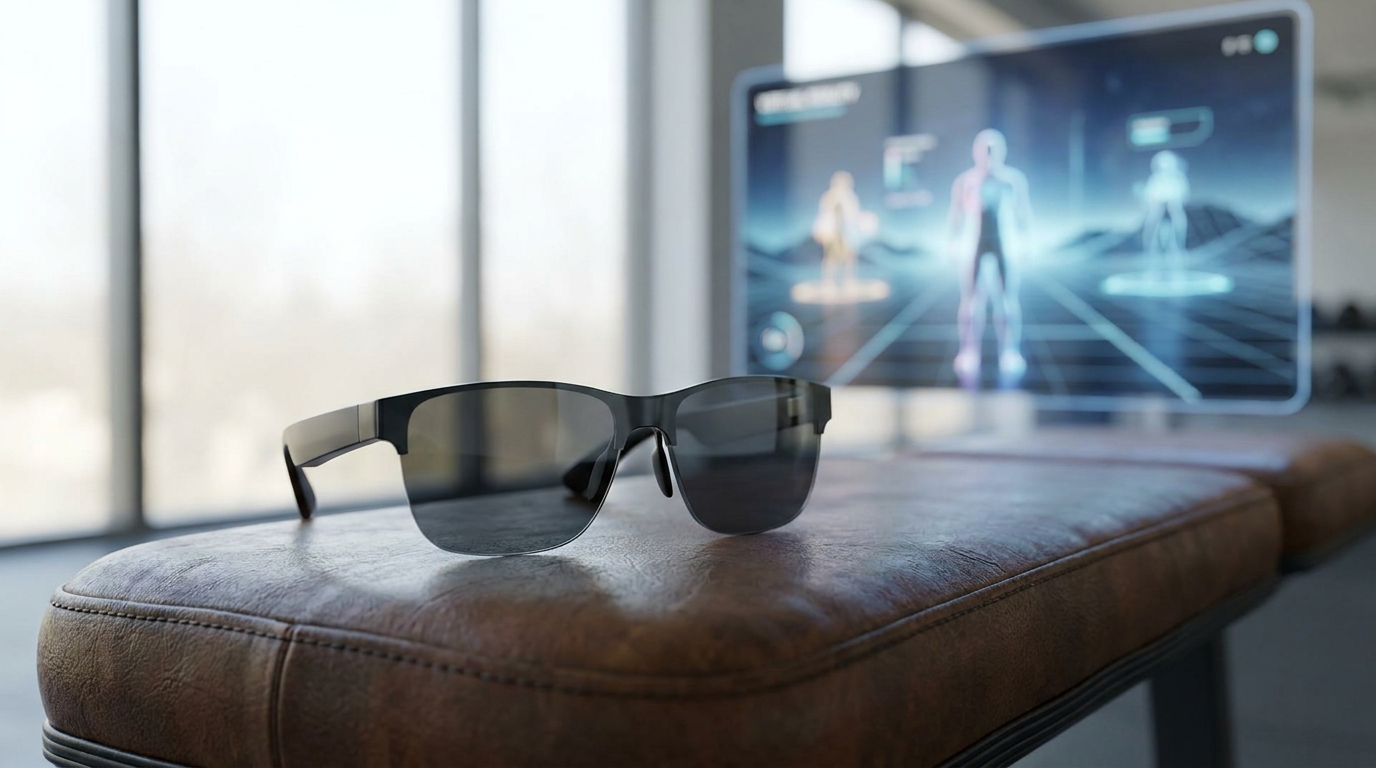
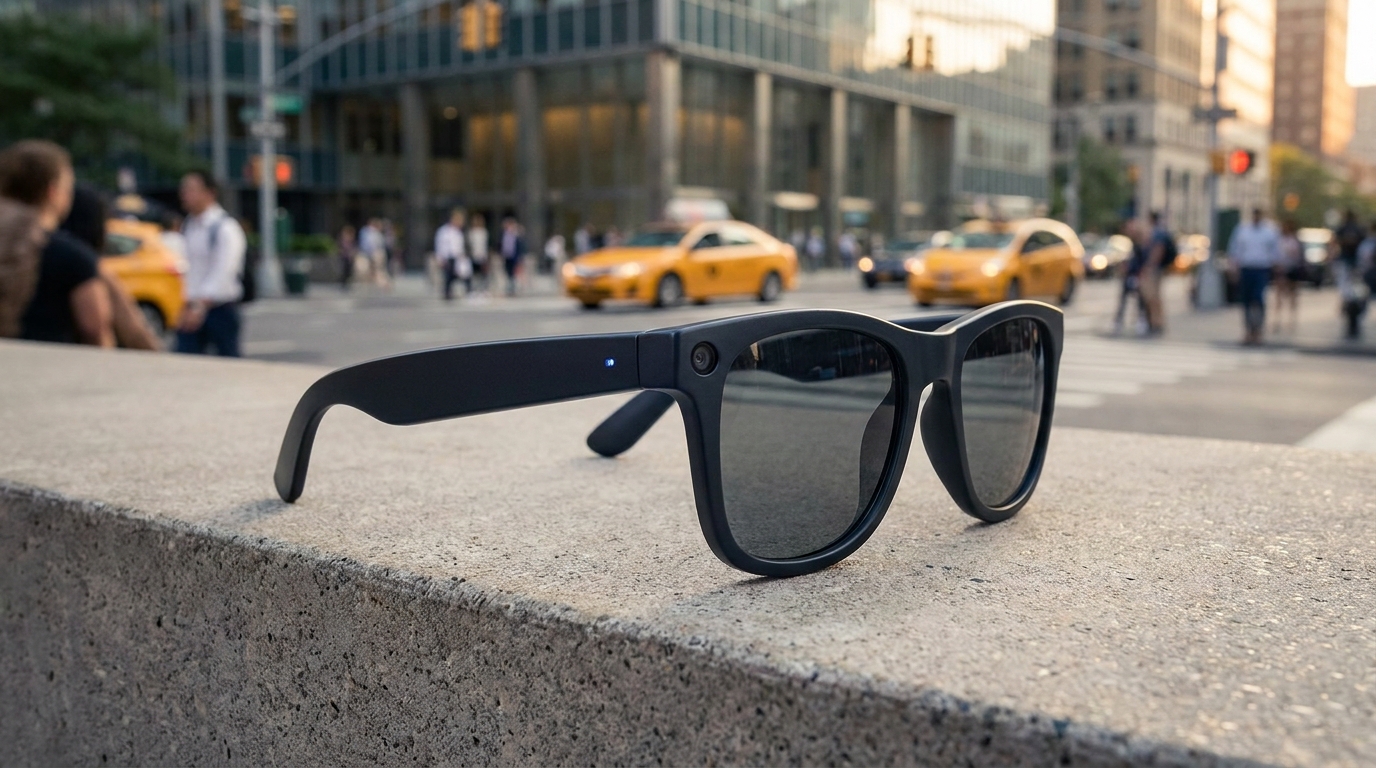
BleeqUp's flagship offering is the **Rover**, priced at $459. This 53-gram AI-powered eyewear is clearly designed for the active user, embodying a "sports assistant" in wearable form. Central to its design is a remarkable 16MP camera system, capable of shooting photos at 4656x3496 and video at 1080p30/60 and 3K30/60. What sets it apart is a unique 3-level tilt camera lens (-10/0/15 degrees) offering a 120-degree eye-level FOV, providing unparalleled flexibility in capturing dynamic action. The Rover also boasts real-time HDR, EIS, night mode, and loop recording for comprehensive coverage, all stored on 64GB of onboard memory.
The Rover’s intelligence is powered by the proprietary BleeqUp AI Sports Assistant, highlighted by an integrated AI hazard detection system for cyclists—a feature we recently covered. It packs five microphones for clear audio, integrates walkie-talkie channels, and is built with durable TR90 frames. While its 1-hour battery life is a significant constraint for extended activities, the Rover packs an impressive suite of features for rapid, high-quality capture and real-time assistance.
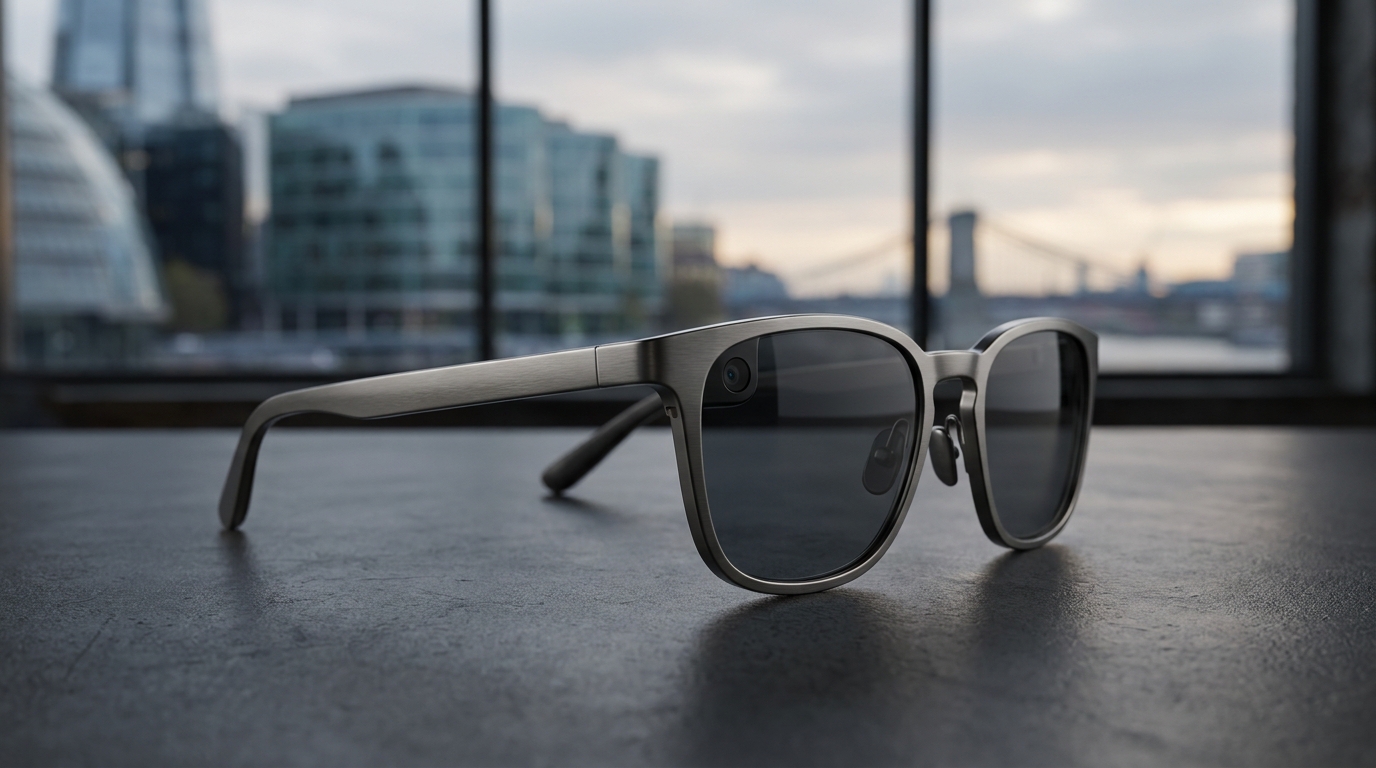
Complementing the Rover is the **BleeqUp Ranger**, retailing at $439 and weighing in at a svelte 49 grams. This model targets content creators and general users with its 120-degree FOV POV camera and BleeqUp AI for editing. It shares the Rover's 16MP photo resolution and 1080p30/60 and 3K30/60 video capabilities, enhanced by AI stabilization. The Ranger comes with 32GB of storage, estimated to hold 4.5 to 5.5 hours of video. Built with TR90 frames, it features an IP54 rating for splash resistance and UV400 ZEISS lenses (adding 12g to its total weight), underscoring a commitment to both performance and eye protection.
Both the Rover and Ranger share BleeqUp's core philosophy: robust camera technology integrated into conventional eyewear. They both offer high-resolution capture and specific AI functions, but diverge in their primary utility. The Rover is an AI-enhanced sports companion with unique camera articulation, while the Ranger is a streamlined POV capture device with AI-powered editing, both constrained by a similar 1-hour battery life.
In a crowded smart-glasses landscape, BleeqUp carves a distinct niche, sidestepping direct competition with AR powerhouses like Rokid and TCL RayNeo, or translation specialists like INMO. Rokid's AR Spatial, AR Lite, and Rokid Glasses are fundamentally display-centric, focusing on spatial computing and visual augmentation. Similarly, TCL RayNeo's Air 3s and X3 Pro are full-fledged AR glasses, designed for complex overlays and interactive experiences. BleeqUp, conversely, offers no display; its "smart" comes from its advanced camera and integrated AI.
INMO's Air 2 and GO glasses, while also display-equipped, prioritize real-time translation—a specific utility divergent from BleeqUp's capture-and-assist model. BleeqUp's competitive edge lies in its specialized camera hardware (tilting lens, 3K, EIS, HDR), its targeted AI (Sports Assistant, hazard detection, editing), and its discreet, traditional glasses form factor. At $439-$459, they present an accessible price point for high-spec camera eyewear compared to more expensive, broader-scope AR devices.
The "Smart Glasses Daily" verdict is clear: BleeqUp is for the individual who prioritizes discreet, high-quality hands-free capture and specific, on-device AI assistance over visual augmentation. It's for the cyclist who wants hazard detection without distraction, the athlete who desires intelligent performance insights, or the creator needing a robust, wearable POV camera. Strengths include the impressive camera hardware, specialized AI applications, and the familiar, lightweight form factor. The use of ZEISS lenses on the Ranger adds a touch of premium quality. However, the 1-hour battery life is a significant weakness, potentially limiting their utility for longer activities or sustained content creation.
Moving forward, we'll be watching BleeqUp closely. Can they extend battery performance without compromising form factor? Will their AI capabilities evolve beyond current sports and editing functions to offer broader utility? As they scale, their ability to build a compelling software ecosystem around their capture-first hardware will determine their long-term relevance. BleeqUp has delivered a focused, compelling opening statement; the next 12 months will reveal if they can convert this strong niche play into lasting market traction.
Interactive guide — prices, displays, cameras, battery.
Share this story