Analysis · —
The Ghost in the Machine: Always-On AI is Colonizing Your Eyewear
AI is escaping screens and moving onto our faces, reshaping daily interaction. This pervasive shift, driven by powerful agents like Meta's Muse, faces critical hurdles of privacy and power.
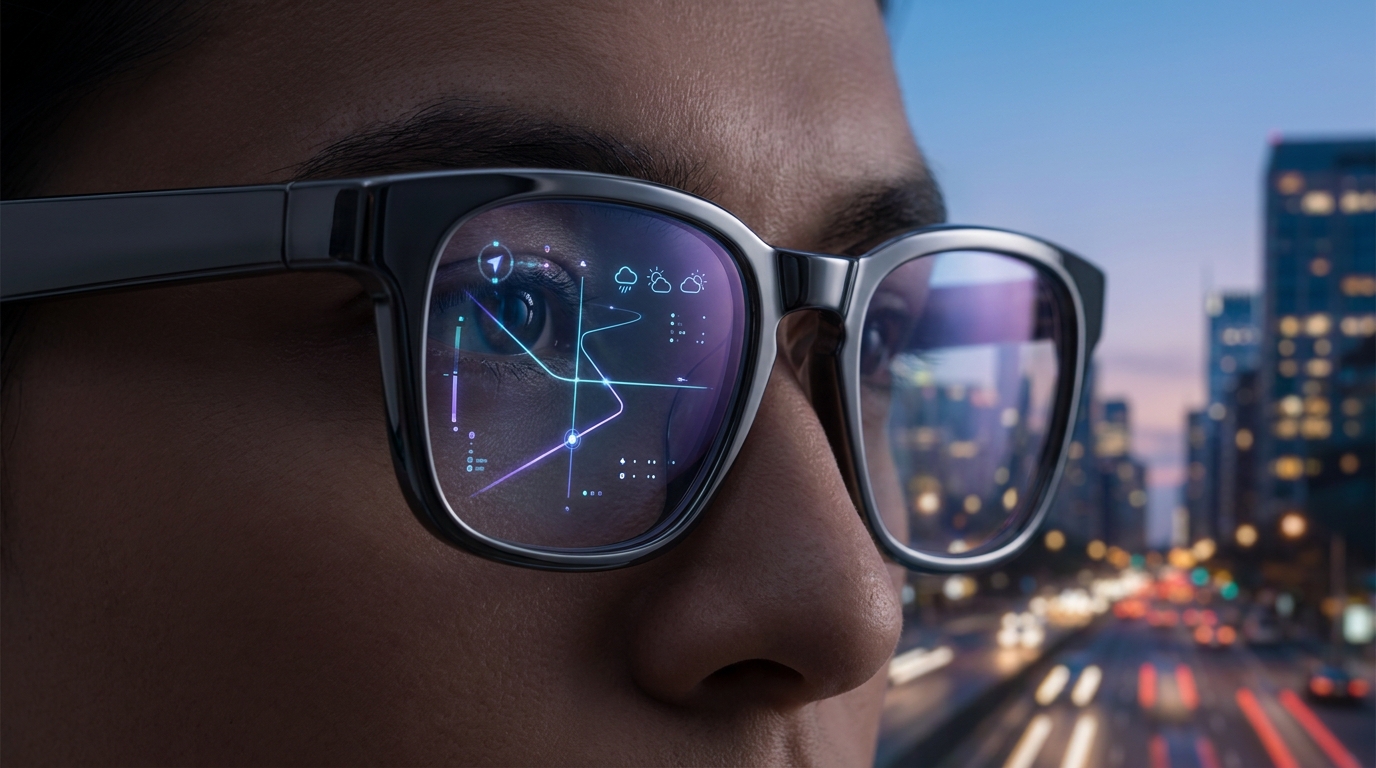
The next frontier for artificial intelligence is not your smartphone, but your face. We are witnessing the decisive rise of always-on AI assistants, seamlessly integrated into our eyewear, fundamentally altering how we interact with the digital world. This is not about simple chatbots; it is about proactive, intelligent agents, a veritable "ghost in the machine," moving computation from the pocket to the periphery of our vision and hearing. The industry's quiet revolution positions smart glasses as the ultimate conduit for pervasive, hands-free assistance, making the smartphone an anachronism for many daily tasks.
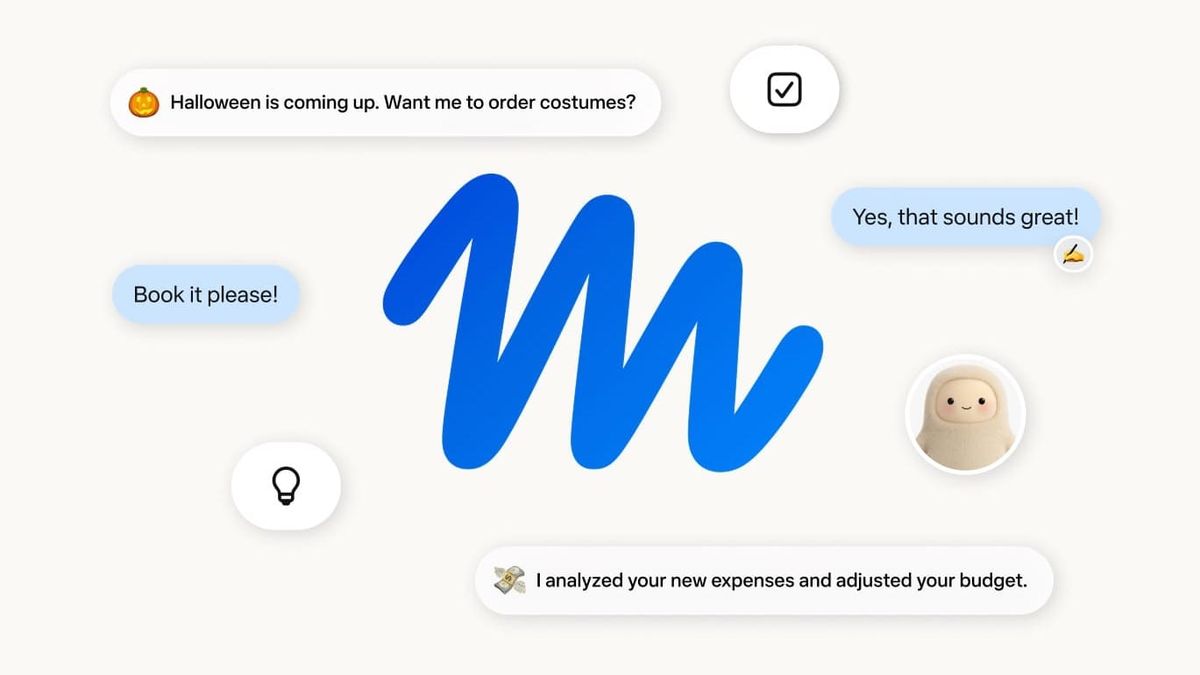
Meta's Muse AI agent perfectly embodies this emerging paradigm. Slated for smart glasses launch, Muse is designed to execute complex tasks and anticipate needs, aiming to drastically reduce smartphone reliance. Powered by the Muse Spark AI model, it operates from a persistent cloud-based Linux virtual machine, capable of writing code, delegating to subagents, and scheduling jobs independently. This represents an unprecedented leap in smart glasses power, showcasing a future where your eyewear doesn't just listen, but actively assists, learns, and acts on your behalf.
However, Meta's aggressive push with its Ray-Ban AI glasses and its "walled garden" approach come with significant liabilities. Persistent privacy backlashes and thermal issues continue to plague the company's dominant strategy. The market's clear preference, sharply underscored by the rapid sell-out of DuckDuckGo's 'Normal F***ing Sunglasses,' signals a fundamental disconnect with user expectations. People are actively rejecting covert recording capabilities; they want utility, not pervasive surveillance, in their everyday eyewear.
This widespread public skepticism has forced a strategic pivot across the industry. Brands are now consciously retreating from the display-centric, camera-first designs that initially defined smart glasses. The introduction of the Ray-Ban Meta Audio glasses, entirely devoid of cameras, directly addresses public privacy concerns and social friction. This shift towards discreet, display-less, and audio-first AI eyewear prioritizes social acceptance and everyday utility, proving that the mass market doesn't want screens, it wants seamless, uninhibited assistance.
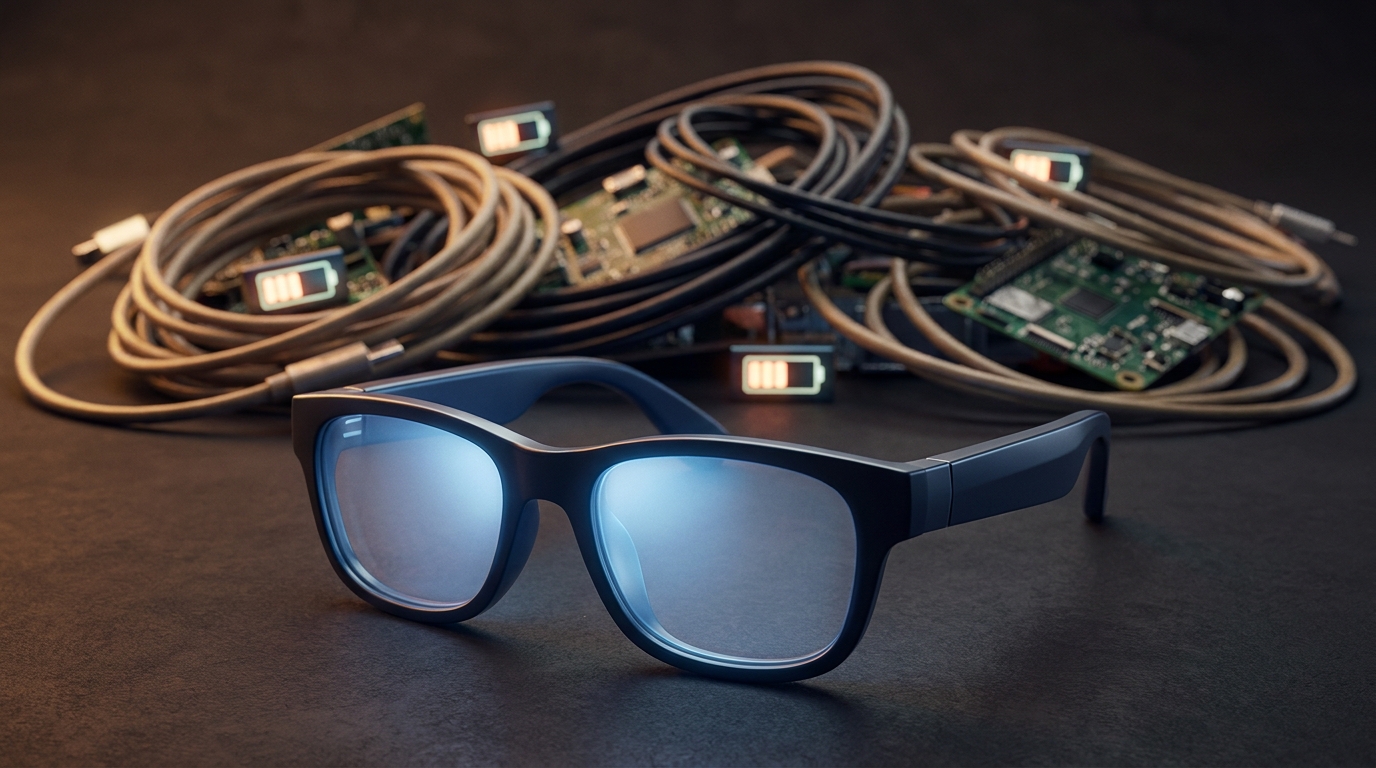
Yet, these design choices, while clever, are often "calculated compromises" rather than genuine breakthroughs. The industry is meticulously managing, not solving, the fundamental battery problem. Display-less designs and offloading processing, while framed as elegant solutions for thermal management and privacy, are ultimately concessions to limited power. For truly always-on AI assistance to thrive, untethered and omnipresent, a radical reimagining of power sources and consumption remains a critical, strategically ignored constraint.
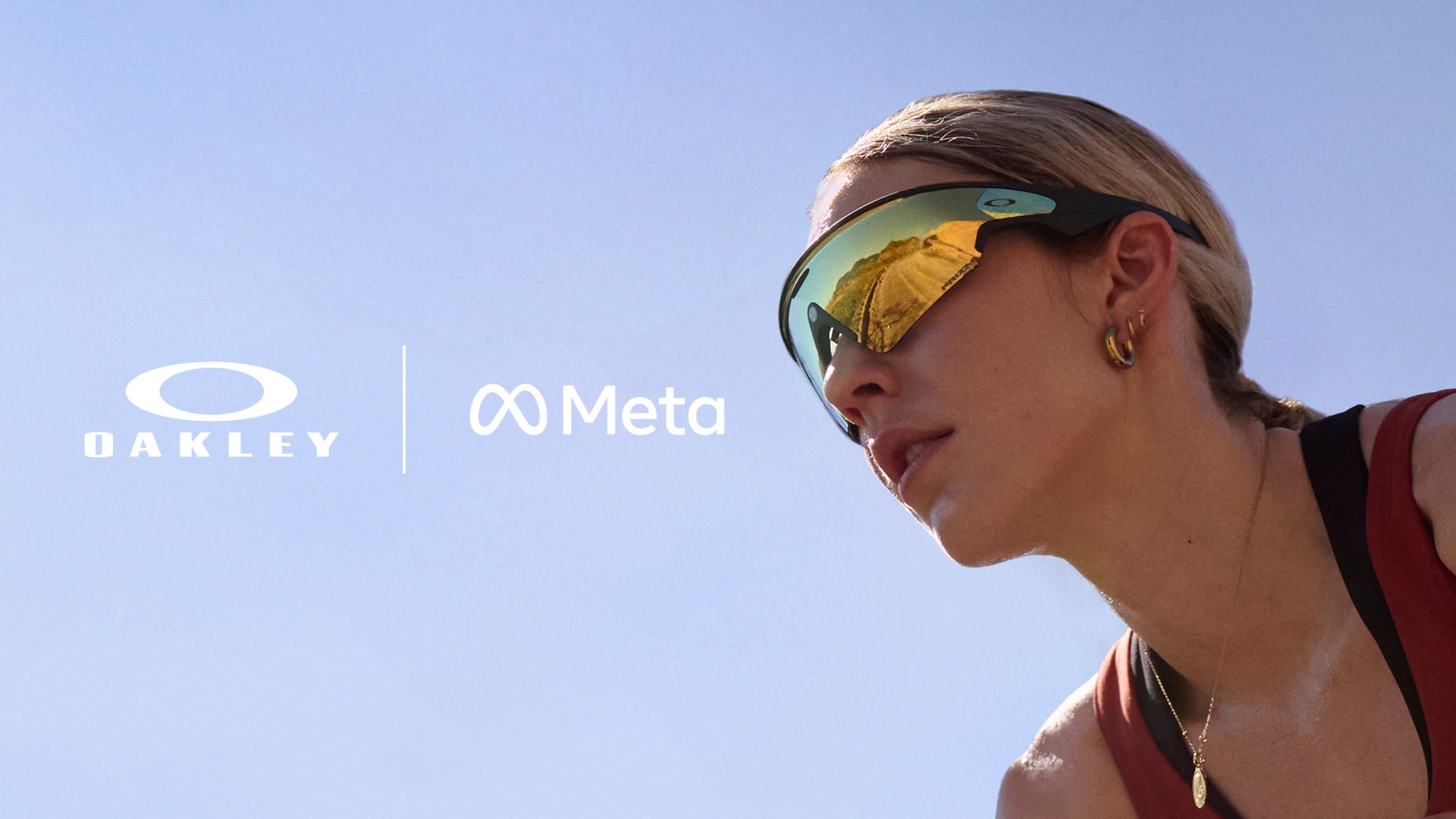
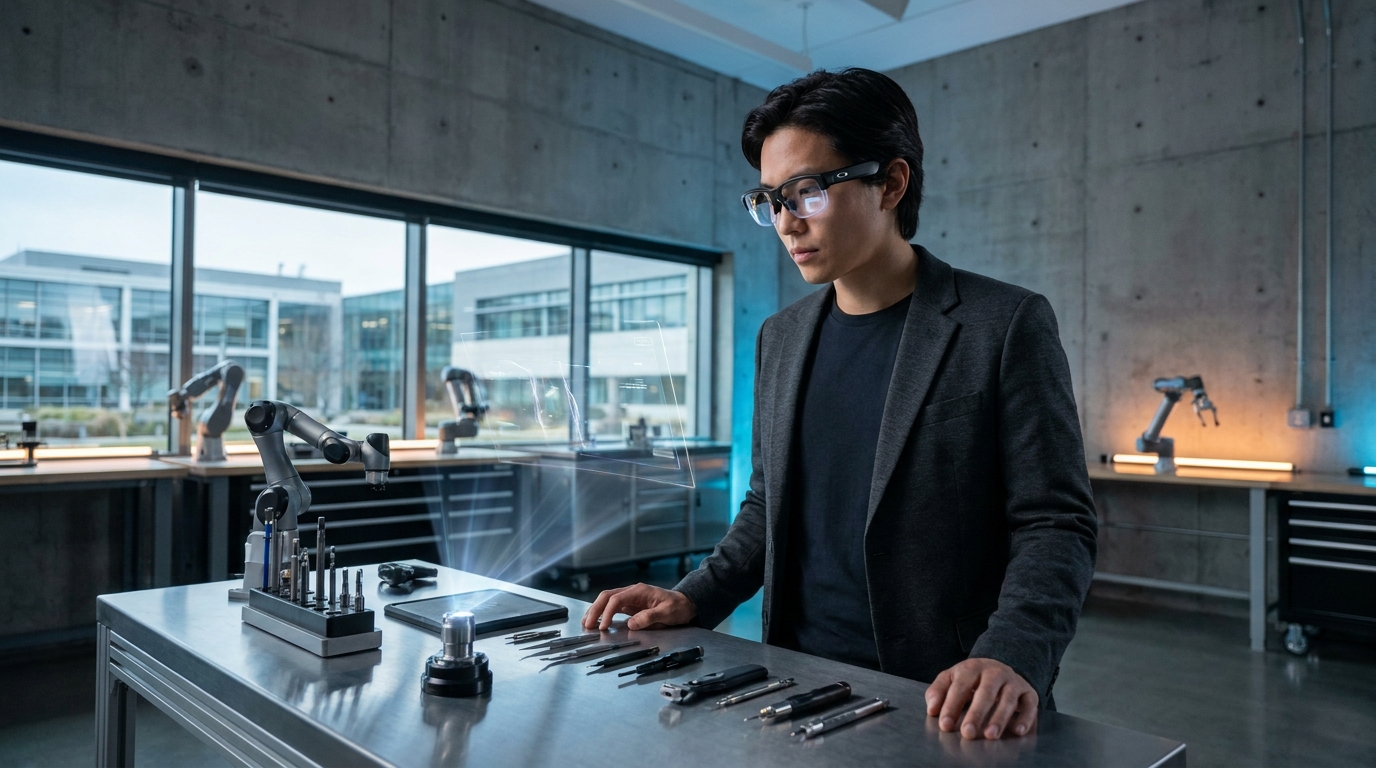
Beyond consumer use, always-on AI assistants are eyeing the workplace. Oakley, an iconic performance eyewear brand, has made a decisive leap into smart glasses with its Meta Vanguard. This partnership signals a significant validation for the category, particularly with the recent circulation of a clear-lens Oakley Meta Vanguard model. This configuration dramatically expands the addressable market into factories, warehouses, construction, and field service, suggesting AI-powered audio and camera glasses could become indispensable tools for hands-free industrial productivity.
The prospect of such widespread adoption, however, demands rigorous scrutiny, especially regarding safety. While the Oakley Meta Vanguard promises enterprise functionality, employers cannot consider social media claims of ANSI Z87 certification as verified safety documentation. The integration of advanced AI into critical safety equipment highlights a new regulatory challenge. The utility of always-on assistants in high-stakes environments must be balanced with confirmed compliance and robust security protocols.
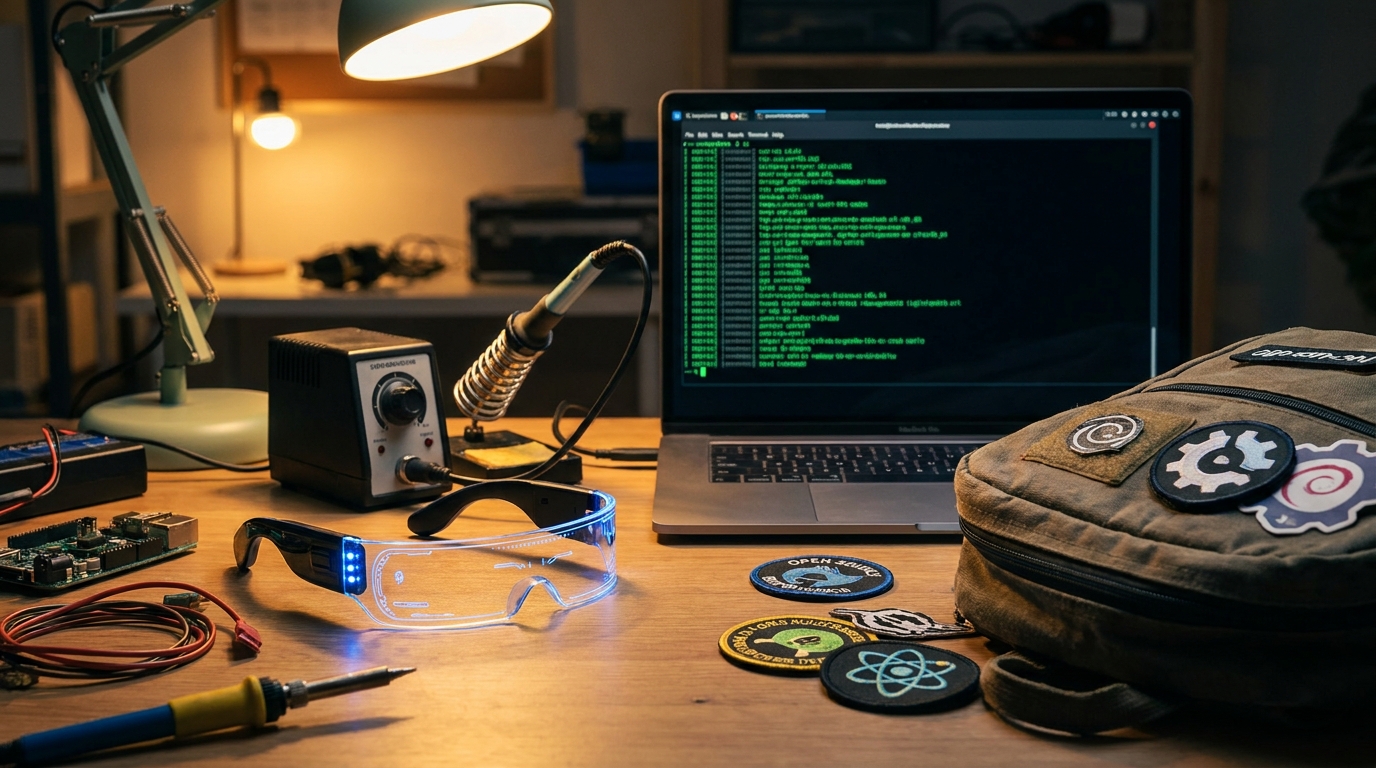
While Meta builds its powerful "ghost in the machine" within a proprietary ecosystem, an alternative vision for always-on AI is emerging. The open frontier of Android XR and other open-source smart glasses platforms promises to liberate AI from corporate walled gardens. Independent builders and hackers view these open systems as their new playground, where they can redefine intelligent eyewear without the constraints of corporate gatekeepers. This path offers potentially greater innovation and user-controlled privacy for AI agents.
The year 2026 is cited as a decisive inflection point in this unfolding smart glasses arena, shaping a geopolitical tech landscape defined by the USA versus China. Western brands, grappling with privacy, battery life, and open platforms, face a different future from China's often opaque, state-backed tech ambitions. The approach to integrating always-on AI, data ownership, and user control will likely differ significantly between these two global powers, intensifying the battle for our faces.
Ultimately, the smart glasses market of 2026 still largely presents an incomplete vision for real life. Current models, even with powerful AI agents like Muse, sidestep core challenges and offer sophisticated, yet fundamentally limited, utility. They are a fascinating study in technological hesitation, offering glimpses of a pervasive AI future but falling short of universal, seamless integration that truly redefines everyday interaction.
The shift towards always-on AI assistants in our eyewear is undeniable, representing a profound evolution in how we consume and process information. It is a complex dance between technological ambition, user demand for discretion, and the inherent limitations of current hardware. The battle for who controls this "ghost in the machine" and how it serves us is just beginning.
Interactive guide — prices, displays, cameras, battery.
Share this story