Manufacturer News · Meta
Meta's Muse AI Agent Expands to Smart Glasses
Meta is rolling out its Muse agent to smart glasses, bringing background task automation and frictionless shopping to hands-free eyewear.
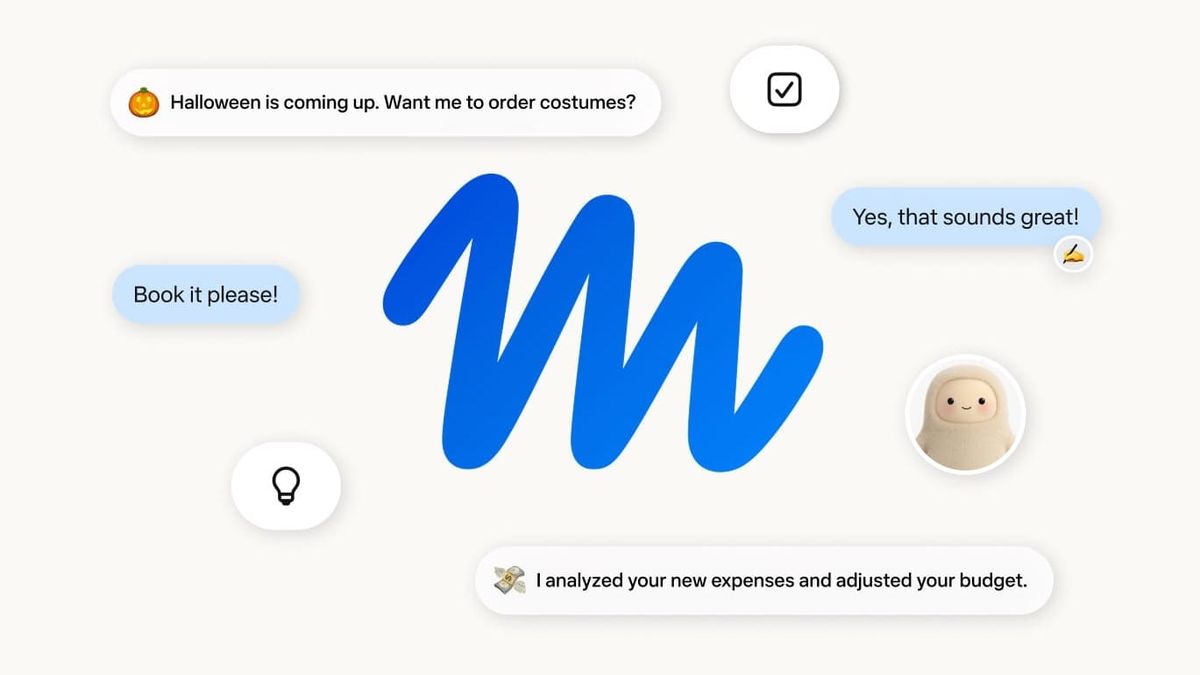
On October 3, 2026, details emerged regarding Meta's aggressive push to bring its autonomous Muse AI agent to smart glasses hardware. As reported by UploadVR, the upcoming rollout will allow frames like the Ray-Ban Meta line to execute multi-step digital actions on command, leaving smartphones firmly in pockets while the software handles complex errands in the cloud.
Meta initially debuted Muse earlier this fall across web and mobile platforms in the United States, where it quickly climbed to the top of mobile download charts. Unlike conventional chatbots that simply generate conversational text or summarize articles, Muse is architected as an active agent capable of independently navigating websites, scheduling tasks, and completing digital chores without step-by-step user steering.
According to UploadVR, the platform is powered by Meta's Muse Spark model and runs on private, persistent Linux virtual machines hosted in the cloud. Each user instance operates an isolated web browser, filesystem, and terminal environment that continues executing tasks even when companion mobile apps are closed. The agent can write and compile code on the fly, spin up subagents to parallelize complex workflows, schedule automated jobs, and generate bespoke assets like spreadsheets, dashboards, and PDF summaries.
Consumer usability is the main thrust here. Meta claims Muse can book travel itineraries, send emails, fill out administrative web forms, and make outbound phone calls, even negotiating service bills or assisting with private vehicle sales. To handle transactions safely, the system relies on Stripe Link to issue single-use virtual payment cards, ensuring raw financial credentials remain shielded from the AI. Future updates are slated to introduce integrations with Shop Pay and 1Password.
On smart eyewear, the user experience shifts toward hands-free, visual workflows. Wearers trigger the assistant using the wake phrase "Hey Muse" or a personalized name, issuing commands to log meals, track workout form, source replacement parts for items in view, or buy products spotted in the real world. Because the heavy computational lifting runs asynchronously in cloud virtual machines, the assistant handles the process quietly in the background and delivers an audio notification once the job is finished.
Our take: This marks the critical evolutionary leap smart glasses have desperately needed. Pure voice bots that merely regurgitate web search snippets or generate stiff conversational replies have hit an engagement ceiling. By handing real operational tasks over to cloud-based execution sandboxes, Meta is shifting smart eyewear from a passive notification channel into a proactive personal assistant. If Meta can deliver reliable execution without catastrophic latency or booking blunders, it will establish a formidable new standard for ambient computing interfaces.
Interactive guide: prices, displays, cameras, battery.
Share this story