Manufacturer News · Magic Leap
Magic Leap Deepens Google Tie, Boosts AR Production With Pegatron
Magic Leap is pushing its augmented reality initiatives forward this week, extending its strategic alliance with Google and formalizing a manufacturing agreement with Pegatron. The company also highlighted its core waveguide technology for future AI display glasses.

Magic Leap made several strategic announcements this week, signaling a renewed push in the augmented reality space. Key developments include an extended partnership with Google, a new manufacturing agreement with Pegatron, and a continued focus on its proprietary waveguide technology for AI display glasses. These moves come alongside the recent appointment of Ross Rosenberg as Chief Executive Officer.
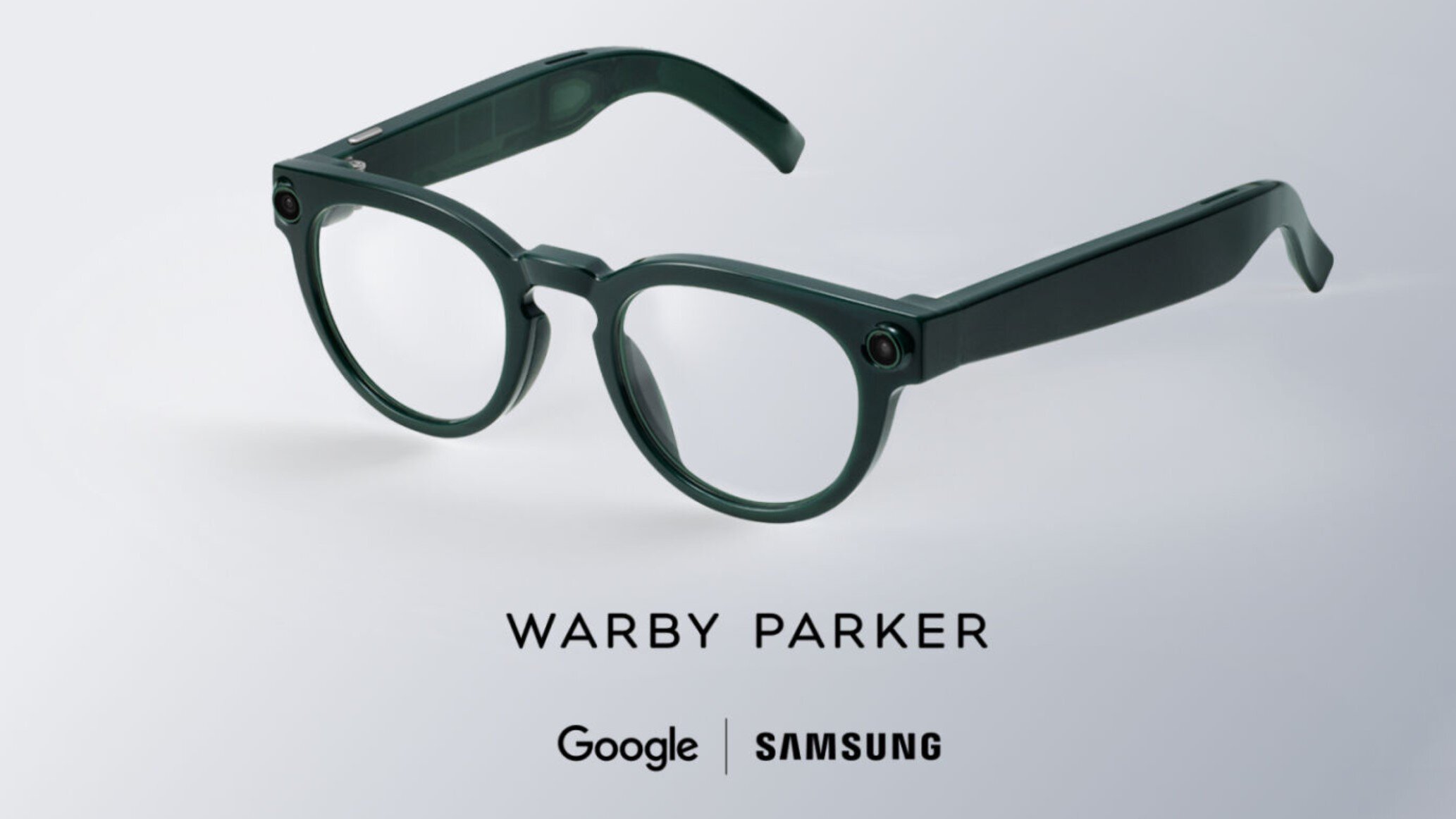
According to Magic Leap News, the company extended its long-standing collaboration with Google to further advance XR technologies. This partnership, initially established to explore the potential of AR and XR, now reportedly encompasses a deeper focus on Magic Leap's core AR expertise as demonstrated in recent prototypes.
In a significant manufacturing push, Magic Leap also announced a formal agreement with Pegatron. This deal aims to accelerate the production of AR glasses components, suggesting a move towards more scaled manufacturing for Magic Leap's hardware. The emphasis is on building out supply chain capabilities for their enterprise-focused AR devices.
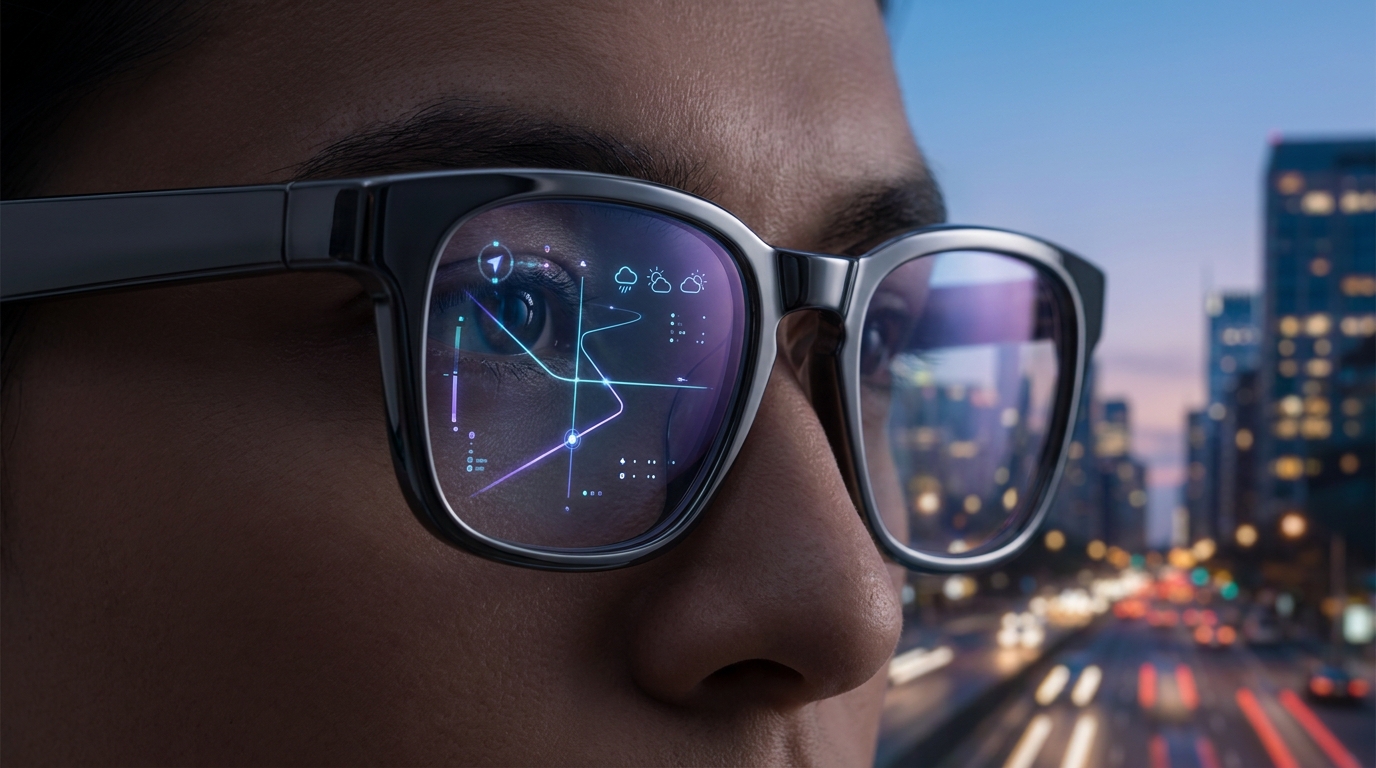
Central to Magic Leap's strategy remains its waveguide technology, which the company describes as crucial for the future of AI display glasses. Magic Leap News emphasizes their industry-leading AR optics solutions, developing and manufacturing see-through augmented reality with patented technologies. This expertise is positioned as a differentiator in the increasingly crowded smart glasses market.
Our take: These announcements paint a clear picture of Magic Leap's revised strategy. After shifting focus to enterprise, securing major partnerships like Google and Pegatron is critical for scaling and market validation. Their continued investment in fundamental AR optics, specifically waveguides, positions them as a key component supplier or technology enabler in the broader AI glasses ecosystem, even if consumer products remain distant.
Interactive guide — prices, displays, cameras, battery.
Share this story