Manufacturer News · RayNeo
RayNeo Splits Focus: Camera-Free iO for Work, Immersive GT for Play
On September 4, 2026, RayNeo will officially launch two new smart glasses lines, the iO and GT series. This radical specialization strategy aims to carve out distinct market segments by separating productivity from entertainment.
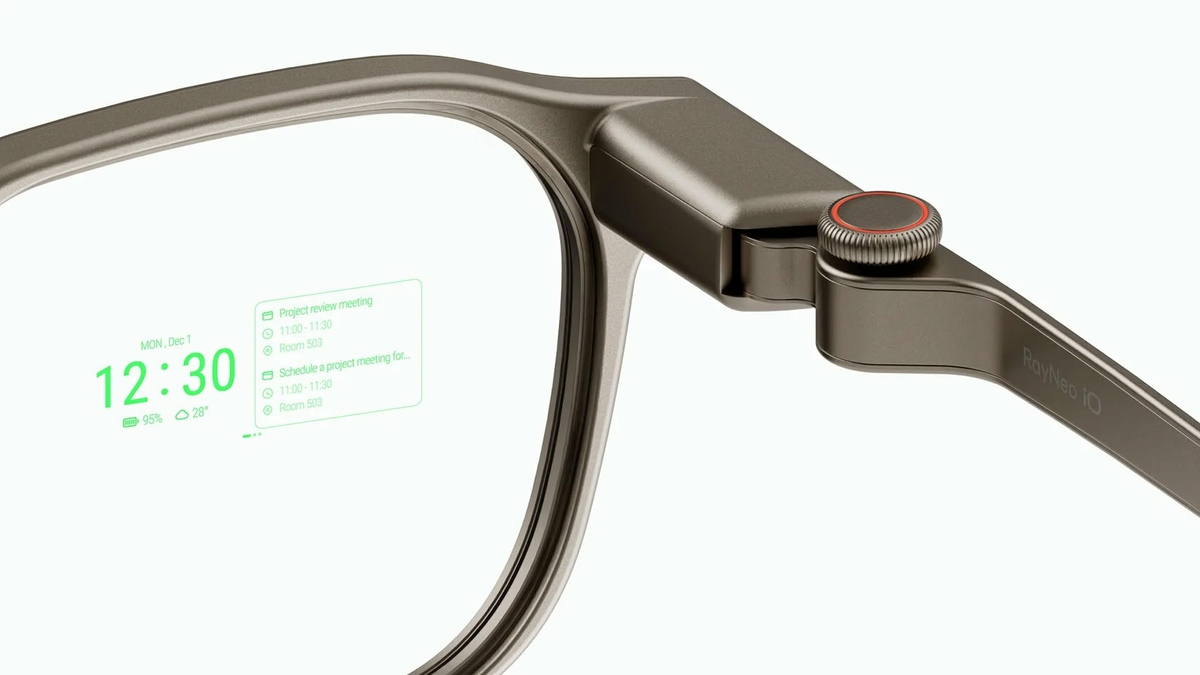
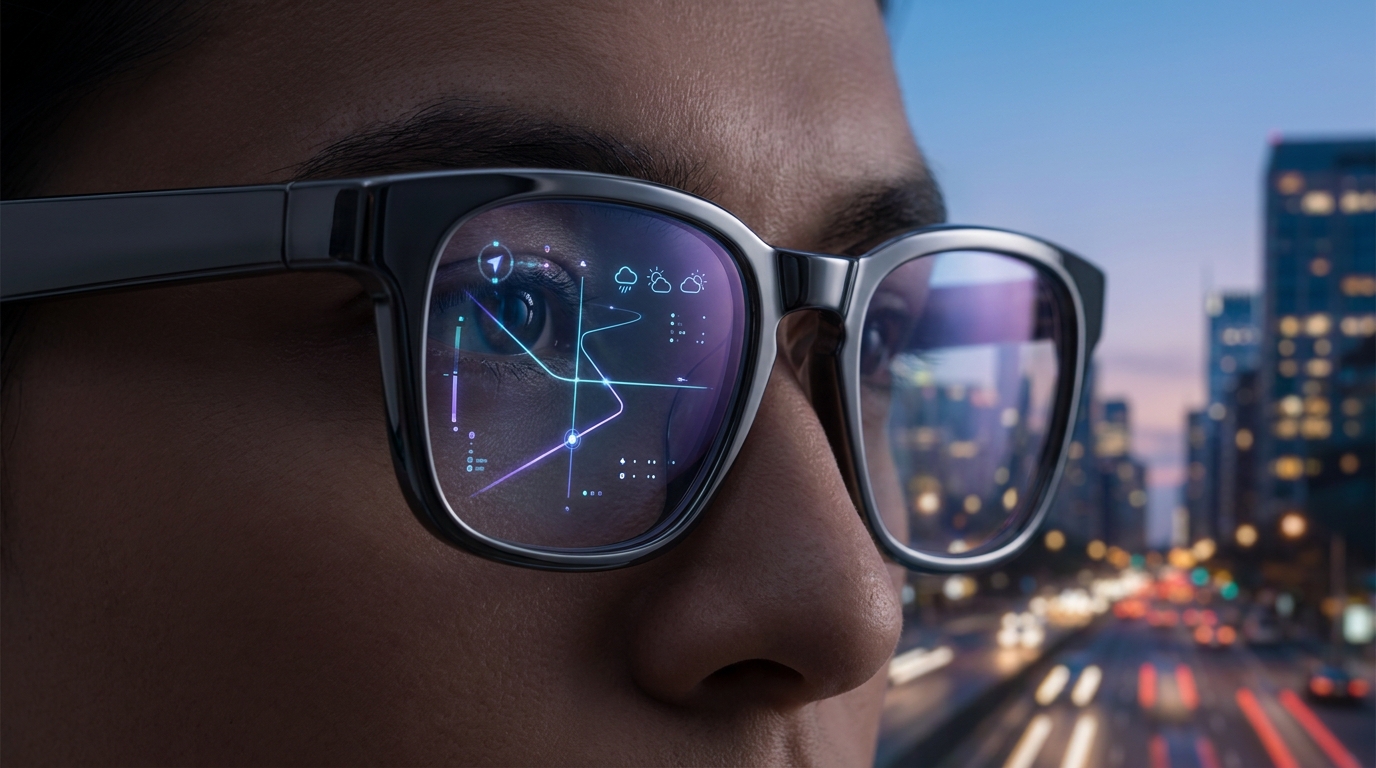
Smart glasses maker RayNeo is shaking up the market with a targeted dual-product launch. Announced September 4, 2026, the company will introduce the RayNeo iO and GT series, each designed for a specific user need. The RayNeo iO focuses on professional productivity with a camera-free design and integrated AI assistant, while the GT and GT Max models are positioned as portable cinemas for immersive media consumption.
According to Génération NT, this 'double offer strategy' is an 'audacious bet' that directly challenges the generalist approach of competitors. RayNeo, which Génération NT reports already holds nearly a quarter of the global AR glasses market, is betting that dedicated devices for work and entertainment will resonate more deeply than an all-in-one gadget.
The RayNeo iO's most significant feature is its deliberate lack of a camera. Génération NT notes this move directly addresses the primary barrier to smart glasses adoption: privacy concerns. By omitting the camera, RayNeo aims to disarm public mistrust and position the iO as a discreet utility, not a surveillance tool. These glasses weigh just 33 grams and are constructed from a magnesium-aluminum and titanium alloy, designed for all-day wear. While lacking a camera, an LED indicator is present to signal microphone activation.
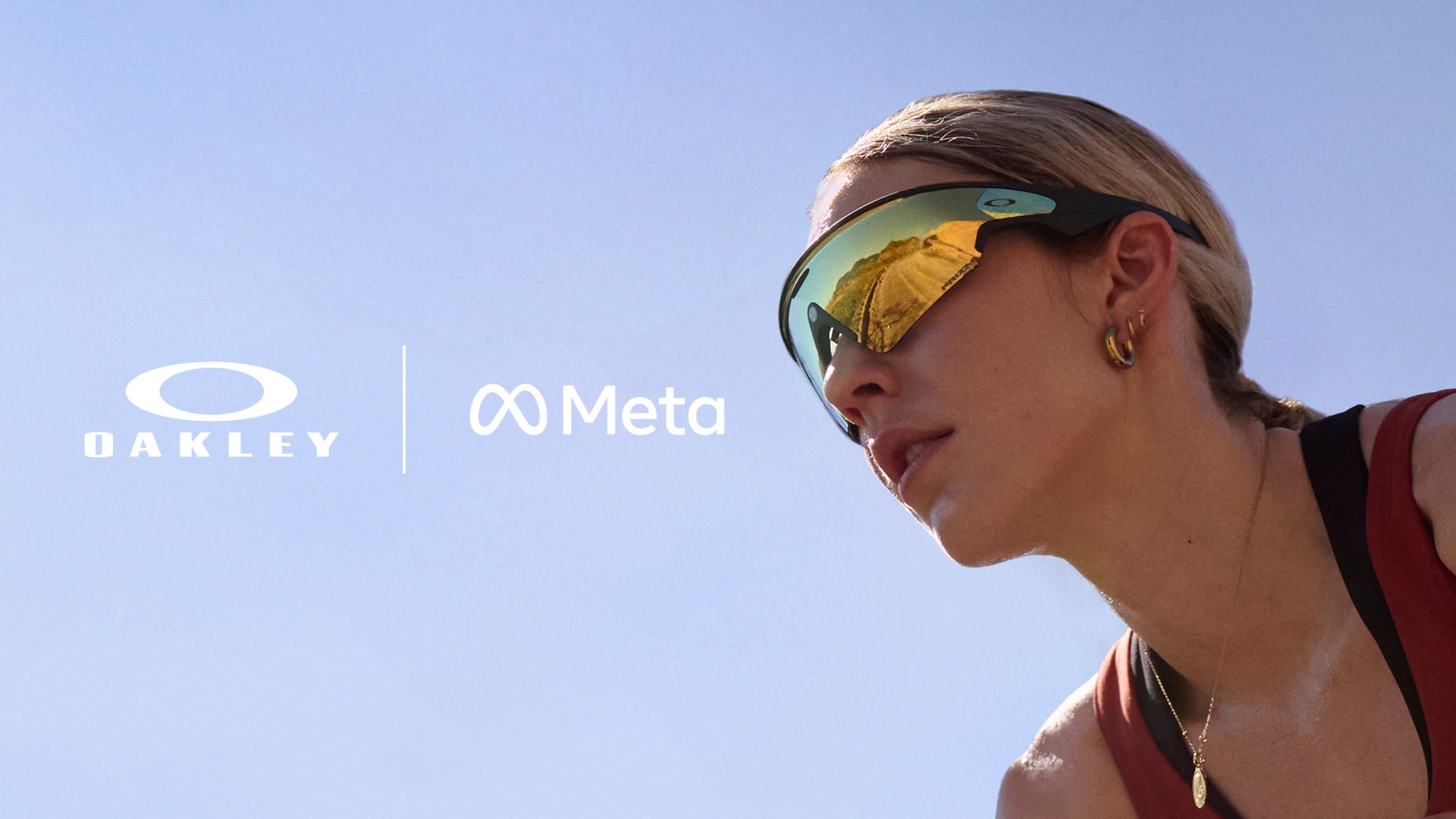
Our take: RayNeo's strategic pivot is a smart one. The market has struggled to unify disparate use cases-discreet productivity versus overt media capture-into a single, widely accepted form factor. By segmenting its offerings, RayNeo acknowledges user reluctance and prioritizes specific value propositions. This specialized approach, particularly the camera-free option for enterprise and daily use, could set a new precedent for how smart glasses are designed and marketed, potentially outmaneuvering competitors like Meta who still push camera-equipped devices as the default.
Interactive guide — prices, displays, cameras, battery.
Share this story