Analysis · —
The Everyday User: 2026 Smart Glasses Still Miss the Mark
The smart glasses industry is finally embracing discreet AI and affordability, yet it fundamentally misunderstands the average person's trust and real-world needs.

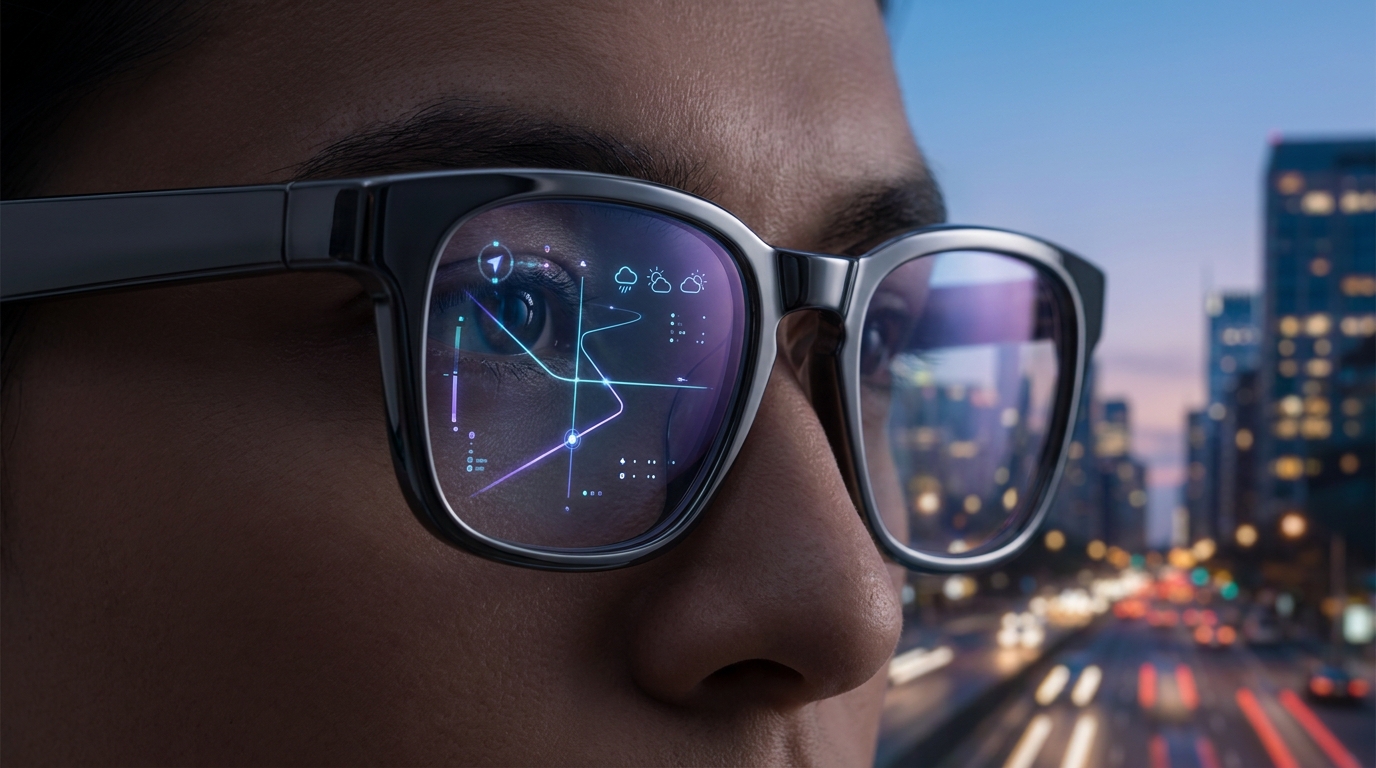
The smart eyewear industry, for all its revolutionary bluster, continues to trip over the mundane reality of everyday users. While the 2026 landscape shows promising shifts, particularly Apple's rumored pivot towards "Meta-like AI smart glasses" and away from the high-cost, high-fidelity spatial compute of Vision Pro, a crucial disconnect remains. The narrative is correctly shifting towards ubiquitous, always-on AI assistants, but the execution for the masses is still fundamentally flawed.
The industry's current trajectory seems to imply that if glasses are cheap and discreet, mainstream adoption will follow. Companies like Rollme are aggressively challenging pricing models, launching the ProView at an unprecedented $99.99, aiming to democratize access. RayNeo is splitting its strategy, offering the iO Smart Glasses for discreet, all-day wear with subtle AI, while reserving the GT Series for "cinema-grade" AR experiences. These moves signal an awareness of critical barriers, namely cost and obtrusiveness, but they are only part of the equation.
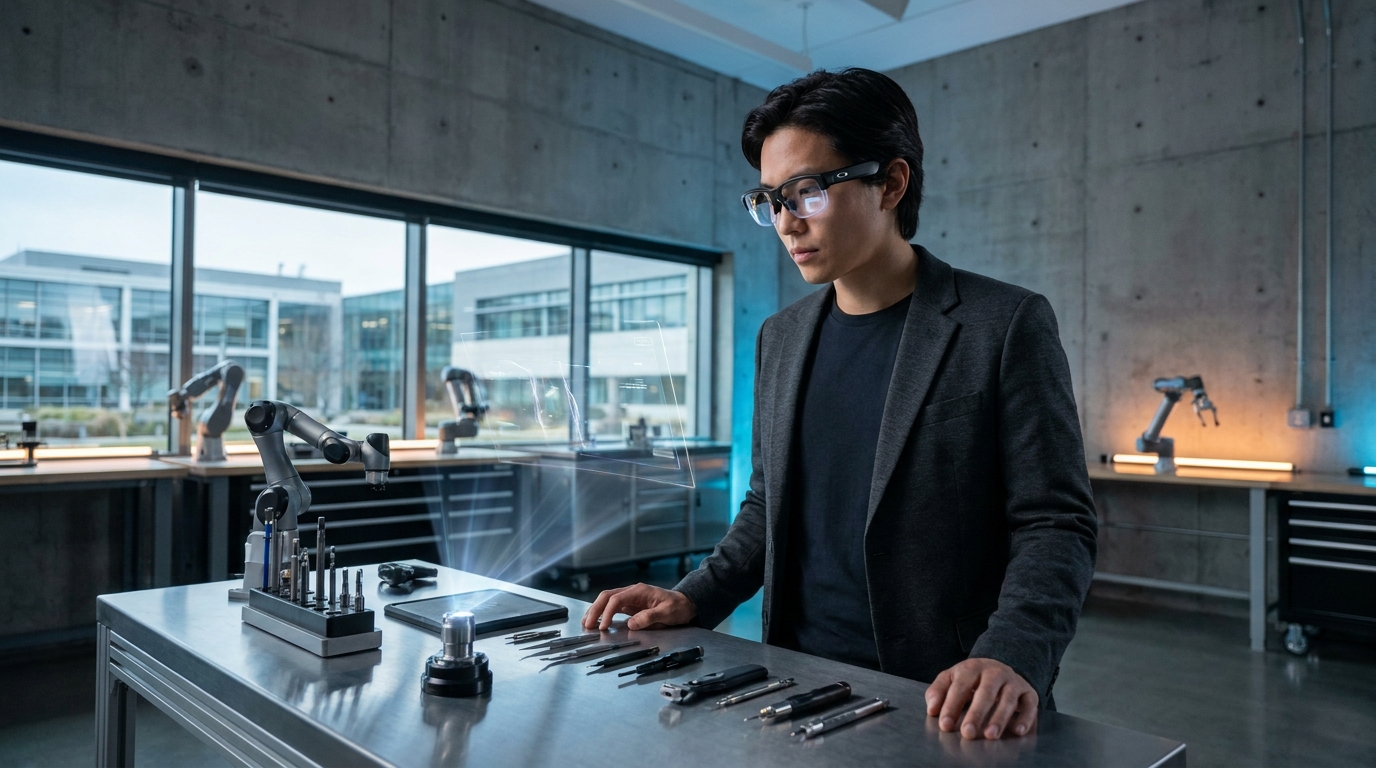
Even the innovative concept from XRPAK, proposing a "Portable Spatial Computer" to detach the heavy compute and battery from the glasses themselves, prioritizes lighter eyewear and enhanced performance. This design choice speaks volumes about the perceived need for discreet, comfortable devices that fade into the background. The goal is clear: make smart glasses invisible, both physically and in terms of their computational burden.
However, the industry's fixation on technological stealth often overlooks a more profound form of invisibility: the erosion of public trust. Meta, the volume leader, has paved its road with privacy blunders and public mistrust. The Ray-Ban Meta glasses, despite their iterative improvements and some truly transformative assistive applications for individuals like Kevin Ramsey, a blind user who finds them "life-changing," are still widely derided as 'pervert glasses.'
This perception is not merely anecdotal. The Immigration and Customs Enforcement, ICE, outright banned Meta smart glasses for its employees, classifying them as body-worn cameras and citing significant privacy concerns. This isn't a single isolated incident; it reflects a systemic failure to address public anxiety surrounding always-on recording devices. For the average person, the promise of ubiquitous AI is overshadowed by the threat of ubiquitous surveillance.
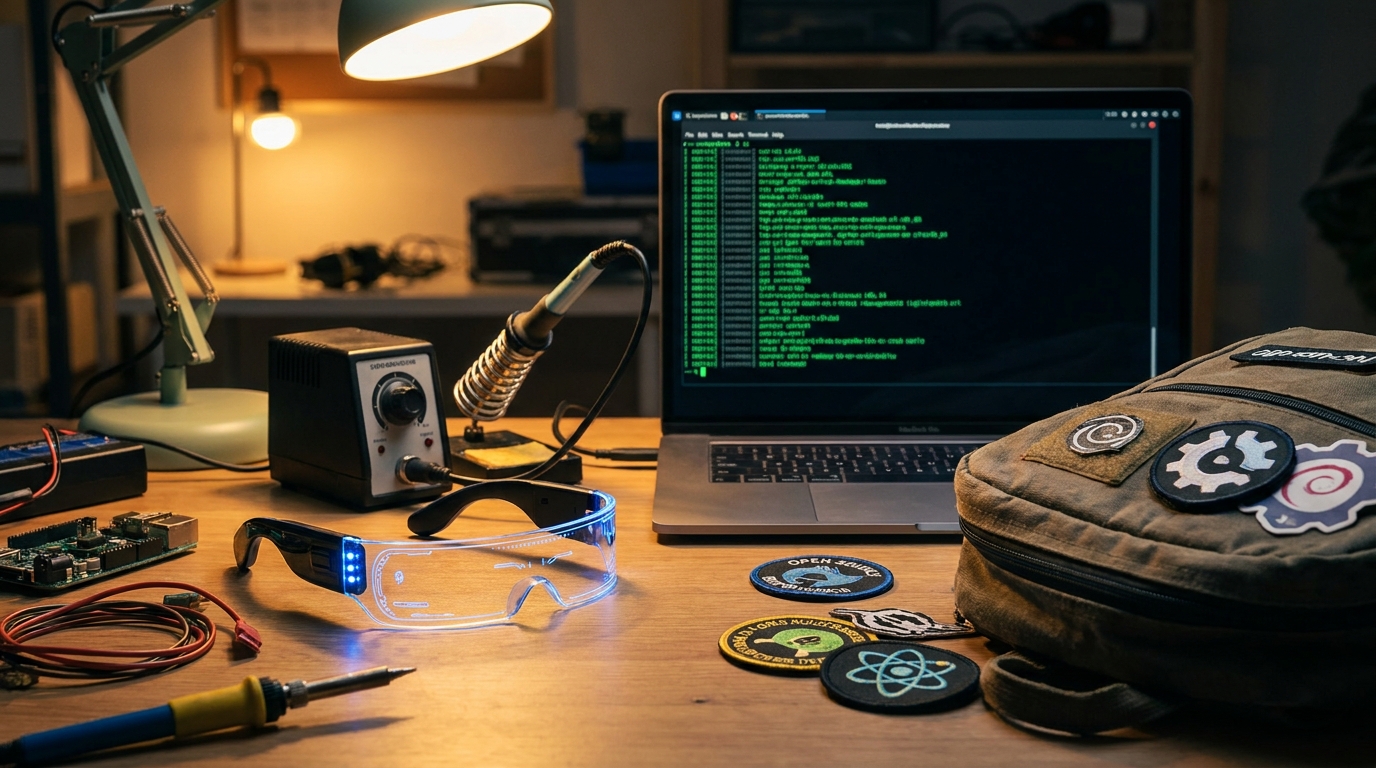
Furthermore, while the push towards open ecosystems, as championed by MentraOS and Android XR, promises to empower a "hacker vanguard" and break Meta's "tightly controlled ecosystem," this is a developer-centric benefit, not an immediate value proposition for the everyday user. The OS battle, with contenders like Android XR, MentraOS, and Alibaba's agent-native stack, is crucial for innovation, but the average consumer cares about utility, not underlying architecture.
The current crop of "AI smart glasses" often feels like a premature extension of a smartphone, offering incremental convenience rather than indispensable, transformative utility for a broad audience. Beyond niche assistive applications or high-fidelity media consumption, exemplified by games like Sol Protocol on Meta Quest 3, there's a gaping void in compelling, universally applicable use cases that justify the privacy trade-off and potential social awkwardness.
Users aren't asking for another screen or a disembodied Siri in their face. They need solutions to real, tangible problems that are better solved by eyewear than by a phone or smartwatch, without becoming a social pariah or a privacy risk. The market is still largely focused on *how* to deliver AI to the face, rather than *why* an everyday user would truly want it there.
The hardware is getting lighter, cheaper, and more capable, and the AI is becoming more sophisticated. But the core problem remains: a lack of compelling, socially acceptable, and privacy-respecting reasons for the general public to wear these devices all day, every day. The industry needs to move past simply porting phone functionality to eyewear and invent truly new interaction paradigms.
Until smart glasses can consistently deliver undeniable, broadly appealing value that transcends privacy anxieties and the 'pervert glasses' stigma, they will remain niche. The current industry focus, while technically impressive, consistently misjudges the human element: trust, social acceptance, and genuinely indispensable utility. The technical foundation for everyday smart glasses is being laid, but the critical user experience layer is still missing.
The strategic pivot to discreet AI glasses, driven by Apple's shift and Rollme's pricing disruption, shows progress on cost and form factor. However, without a fundamental overhaul of privacy assurances and a clear articulation of novel, everyday value for the mainstream, 2026 smart glasses will continue to struggle for widespread adoption. The smart glasses future isn't just about what they can do; it's about what users are willing to let them do.
Interactive guide — prices, displays, cameras, battery.
Share this story