Manufacturer News · Apple
Apple Trims Vision Pro, Siri Teams, Pivots to AI Glasses
Cupertino reduces roughly 200 roles across spatial computing and legacy assistant units, shifting engineering focus to everyday smart eyewear.
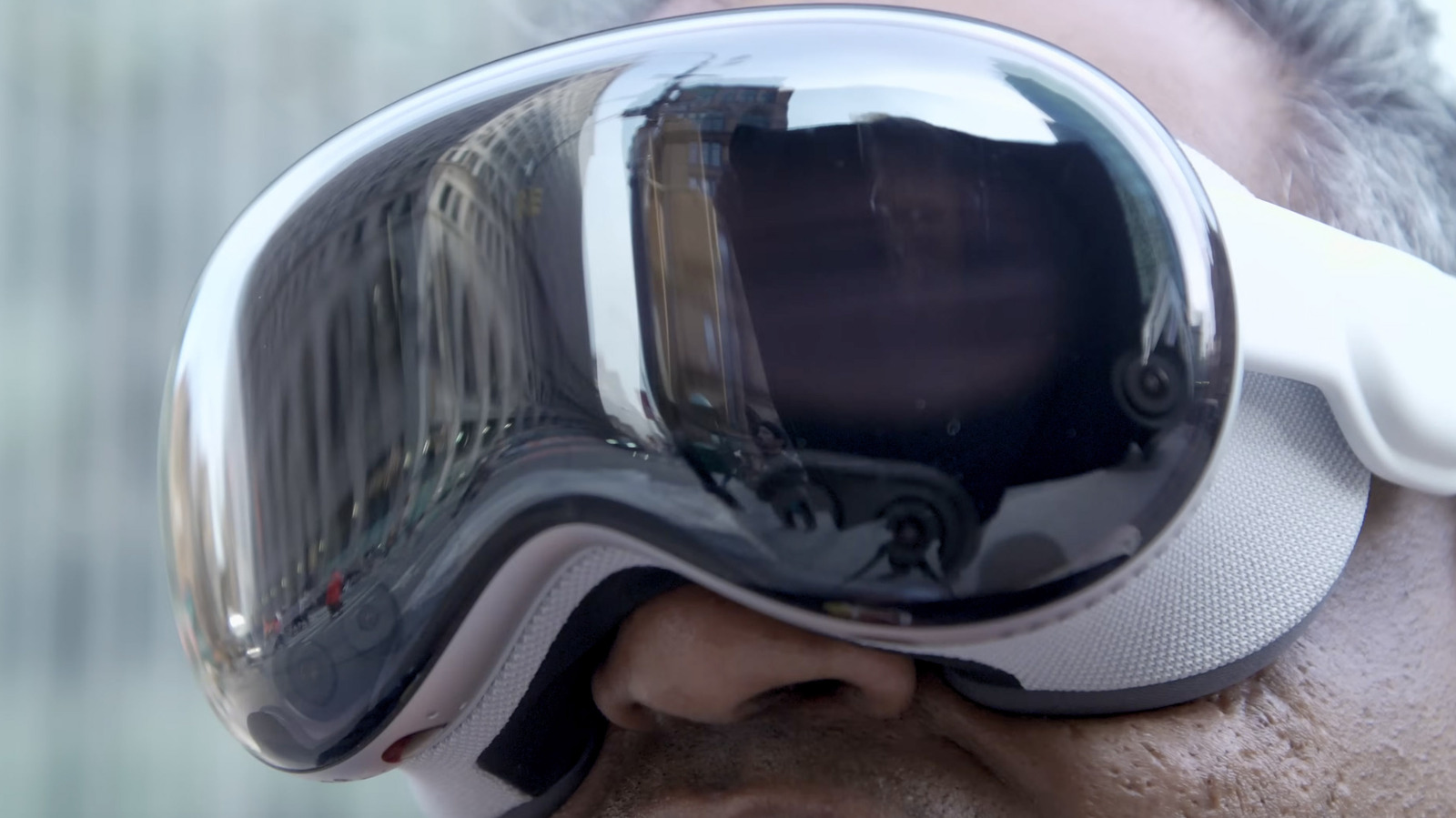
On August 22, 2026, reports revealed that Apple is executing targeted layoffs across its Vision Pro and Siri software divisions, realigning resources toward lightweight AI smart glasses. First reported by Bloomberg's Mark Gurman and corroborated by Engadget, the cuts impact approximately 200 employees. The downsizing is evenly divided, shedding roughly 100 roles from the spatial computing division and another 100 from legacy assistant software teams.
The restructuring strikes directly at the hardware division's original media ambitions. Inside the Vision Pro group, the redundancies concentrate on gaming and immersive video production. Apple spent years championing proprietary 180-degree high-resolution immersive video as the crown jewel of spatial entertainment. However, producing that bespoke footage requires substantial capital, and with the $3,699 headset struggling to build a mass consumer audience, executive leadership decided the steep production costs could no longer be justified.
On the Siri side, the cuts target personnel tied to the legacy architecture of Apple's virtual assistant. As Apple rolls out modern large language model infrastructure, the engineering disciplines needed to maintain the older deterministic assistant are being phased out. Apple officially acknowledged the team realignments, stating that while it creates new positions aligned with strategic goals, the reorganization inevitably impacts a limited number of existing roles, with transition support provided to affected staff.
The personnel pivot provides concrete evidence of Apple reprioritizing its wearable roadmap. Engadget notes that Apple previously shelved a direct second-generation Vision Pro revamp to focus engineering talent on Meta-style AI glasses. High-level departures have already signaled friction in the spatial computing group, including the head of Vision Pro hardware leaving for OpenAI. While Apple reportedly told internal teams that visionOS and the Vision Pro line remain active with a prospective hardware update slated for 2028, heavy mixed-reality headsets have clearly taken a backseat.
What this means: Apple has run into the exact reality check Meta faced years earlier. Goggle-style spatial computing remains too bulky, too expensive, and too isolated for everyday consumer habits. Meanwhile, audio-and-camera AI frames like the Ray-Ban Meta line have proven that consumers want ambient intelligence embedded in ordinary eyewear without wearing a heavy face computer. By trimming immersive video and gaming staff, Apple is cutting overhead from a form factor that has struggled to deliver everyday utility.
The transition will not happen overnight, but the strategic vector is unambiguous. Rather than spending millions bankrolling niche 3D video captures for a small base of headset owners, Cupertino is marshaling its engineering talent toward audio-visual sensing, on-device machine learning, and lightweight industrial design. For the broader smart glasses ecosystem, Apple entering the lightweight AI eyewear race in earnest accelerates the demise of the bulky VR headset as the primary vehicle for personal spatial computing.
Interactive guide: prices, displays, cameras, battery.
Share this story