Analysis · —
Smart Glasses 2026: Still Missing the Everyday User's Core Needs
Despite promising pivots towards AI and lighter form factors, the smart glasses industry fundamentally misunderstands trust and real-world utility for the average person. Cameras, especially, remain an insurmountable social hurdle.
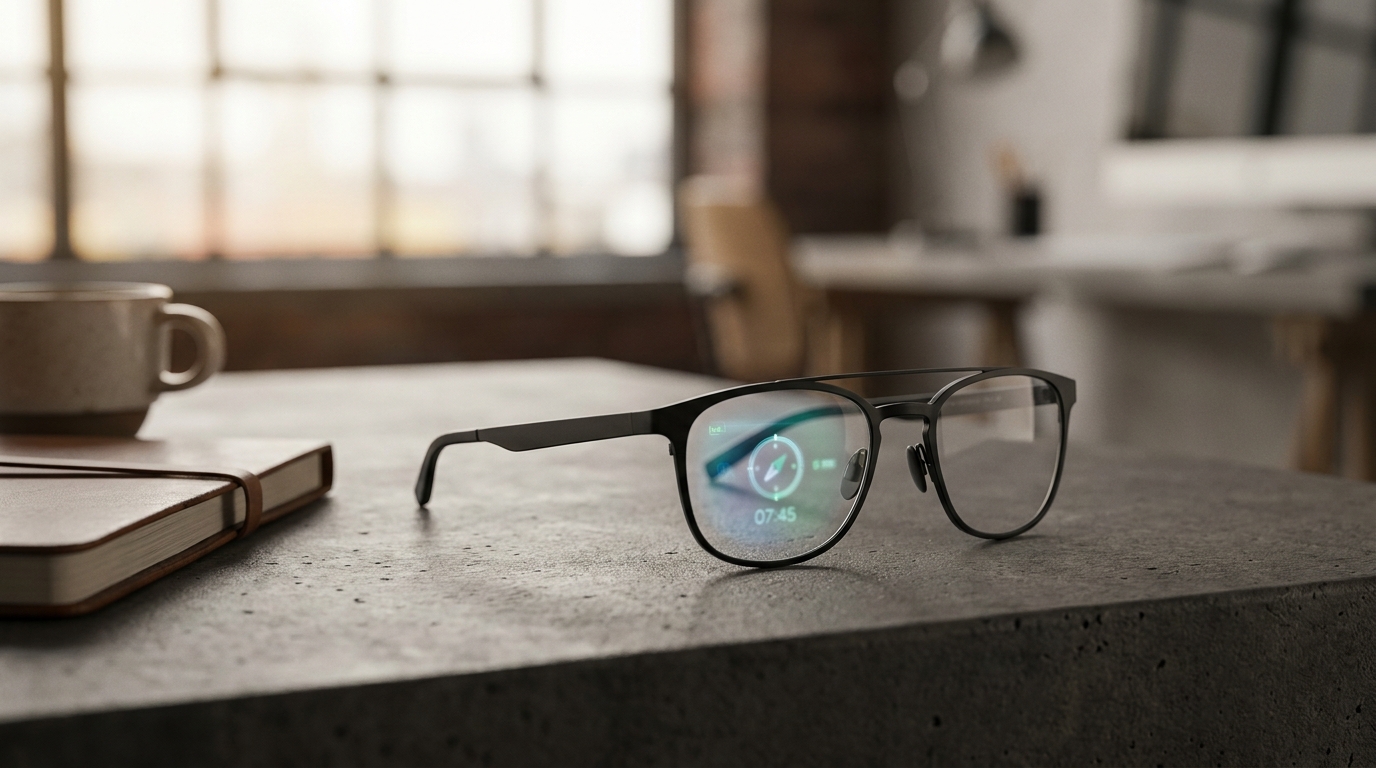
The smart eyewear industry, for all its revolutionary bluster, continues to trip over the mundane reality of everyday users. While the 2026 landscape shows promising shifts, particularly Apple's rumored pivot towards "Meta-like AI smart glasses" and away from the high-cost, high-fidelity spatial compute of Vision Pro, a crucial disconnect remains. The narrative is correctly shifting towards ubiquitous, always-on AI assistants, but the execution for the masses is still fundamentally flawed.
Consider Meta's recent 'kill switch' patent, a hardware privacy control developed amid sustained public criticism over potential unauthorized recording. While a tangible response, it suggests the company believes a technical fix can resolve a social trust deficit. It's a reaction to the 'pervert glasses' moniker, not a proactive reimagining of how people will actually feel about a camera on someone's face.
The public's response to camera-equipped eyewear is not just passive concern, it's an active defense. A new wave of Bluetooth detection apps now offers users a digital shield against unseen cameras, exposing the industry's failure to build trust. This technical arms race, with users modifying recording indicators and developers creating counter-technologies, is a stark indictment of current privacy approaches.
RayNeo, however, presents a refreshing counter-narrative with its iO smart glasses, launching with a deliberate absence of cameras. By omitting cameras entirely, RayNeo aims to sidestep the "voyeur glasses" accusations plaguing others, demonstrating a shrewd understanding of user apprehension. This choice recognizes that for true everyday adoption, some features are more detrimental than beneficial.
While the industry gradually pivots towards discreet AI, as Smart Glasses Daily Originals previously noted, it's still often caught in a legacy mindset. Meta, for instance, continues to heavily invest in immersive gaming, with Singular Perception's co-op roguelike Sol Protocol landing on Quest 3. This dual focus often dilutes the core purpose of *everyday* smart glasses, which should be about utility, not escapism.
Apple's reported trimming of Vision Pro and Siri teams, specifically pivoting towards "Meta-like AI smart glasses," reinforces this shift away from high-fidelity spatial compute. This signals that the mainstream future lies in discreet, AI-first eyewear. However, even with companies like Rollme aggressively challenging pricing models at $99.99 for the ProView, affordability and discretion alone are not enough.
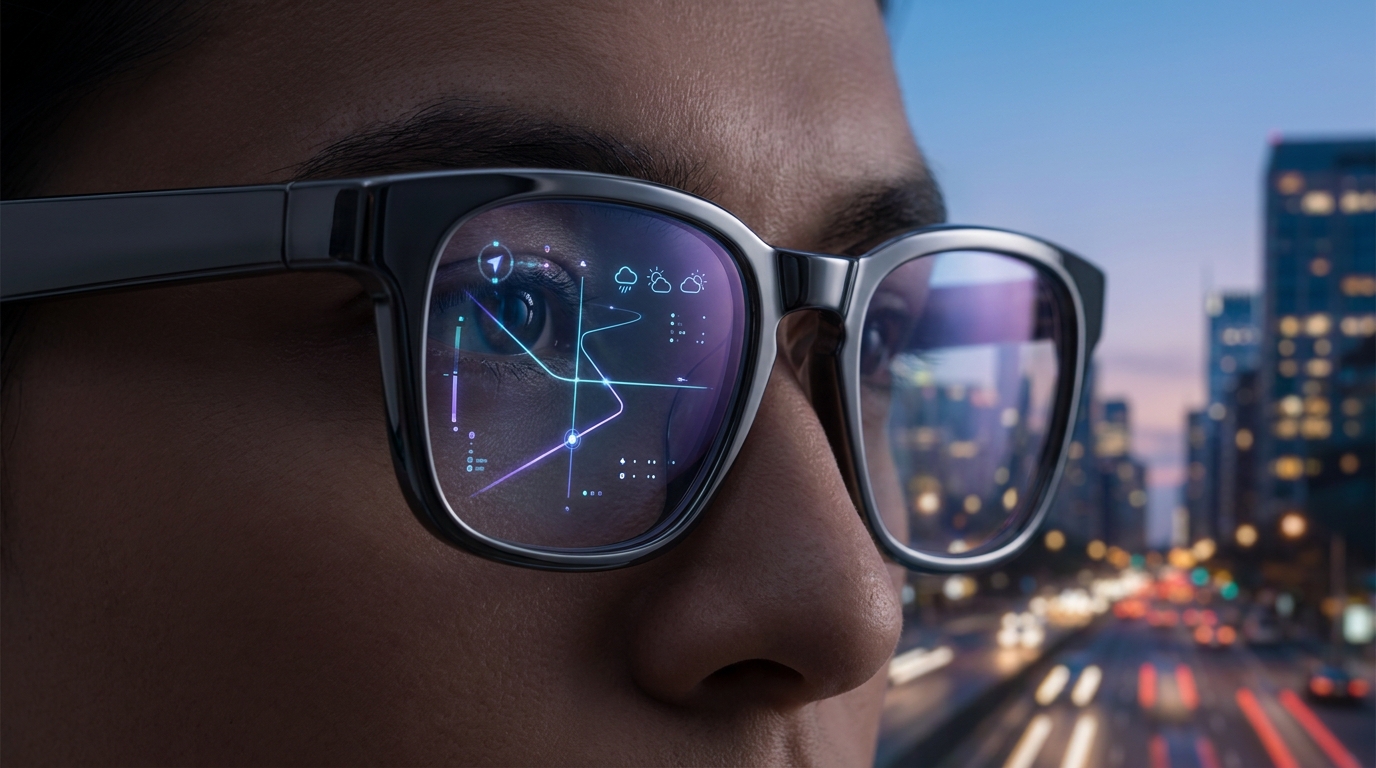
The crucial oversight is that people want functionality without social baggage. RayNeo's iO, with its subtle monochrome display for notifications, translations, and teleprompter text, offers focused utility. It's a stark contrast to devices that implicitly or explicitly demand users to become content creators or covert documentarians.
RayNeo's "double offer strategy" is an audacious bet that challenges the generalist approach of competitors. By launching the camera-free iO for professional productivity and the immersive GT for entertainment, RayNeo acknowledges that distinct use cases require specialized devices. This is a more mature understanding of consumer segments than the all-in-one gadget philosophy.
Even the most advanced hardware still grapples with fundamental ergonomic challenges for true everyday wear. XRPAK's conceptual "Portable Spatial Computer," designed to detach compute, battery, and thermal management from the glasses themselves, highlights the ongoing struggle for lightweight, comfortable designs. An AI assistant isn't truly 'always-on' if the glasses are too cumbersome to wear all day.
The battle for operating systems further complicates user trust. Mentra's report details Meta's "tightly controlled ecosystem" and a "closed strategy" with its Wearables Device Access Toolkit. This lack of transparency, coupled with Meta's history of "privacy blunders," further erodes confidence. An open ecosystem, as Smart Glasses Daily Originals points out, could foster greater user and developer trust.
The core issue is that 2026 smart glasses still often impose a new social contract that everyday users are unwilling to sign. The camera remains the central battleground, perceived not as a useful feature, but as a liability. Until the industry truly designs from a place of earned trust and explicit, non-invasive utility, mainstream adoption will remain elusive.
For smart glasses to become truly ubiquitous, the industry must move beyond technical solutions to social problems. It requires a fundamental redesign, not just of hardware and software, but of the implied social contract. The future of smart eyewear depends on devices that are not just intelligent and discreet, but unequivocally trusted and socially accepted.
Interactive guide — prices, displays, cameras, battery.
Share this story