Apps & Use Cases · Amazon
Amazon Equips Delivery Drivers with Smart Glasses to Streamline Drop-Offs
Thousands of couriers are receiving heads-up navigation and delivery prompts as Amazon targets last-mile logistics with custom wearable tech.
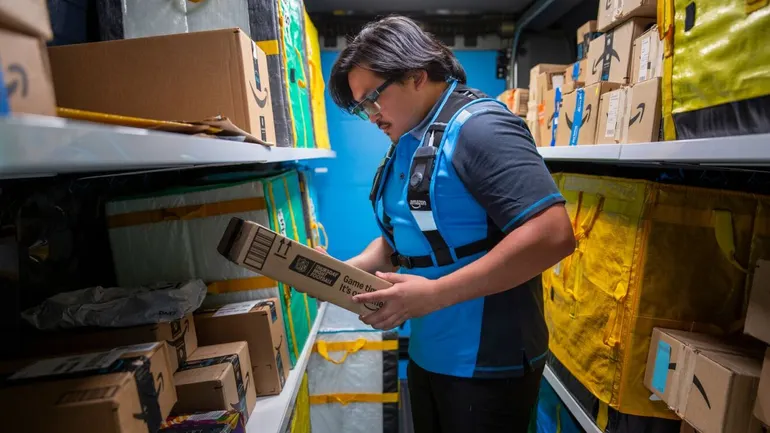
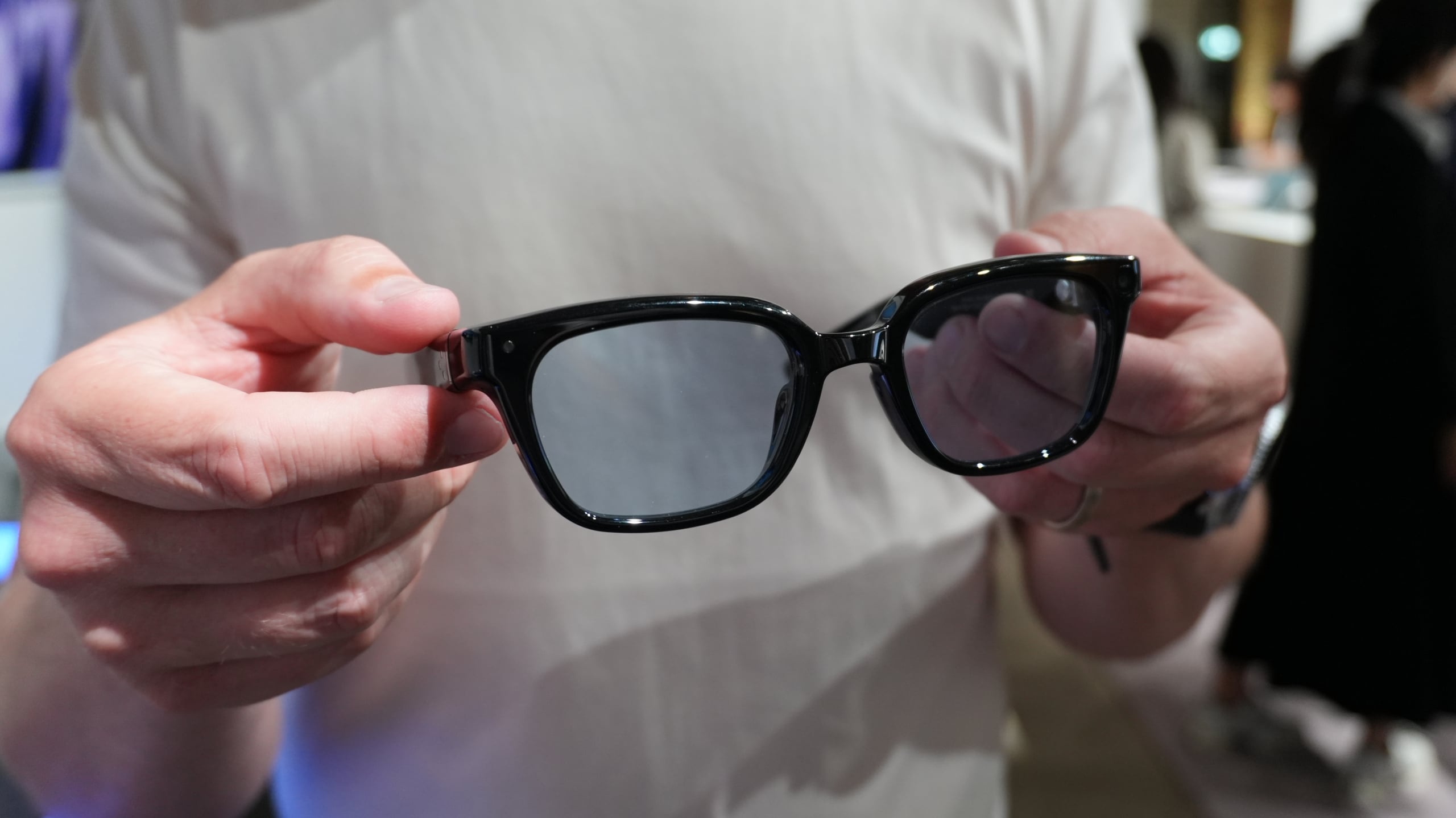
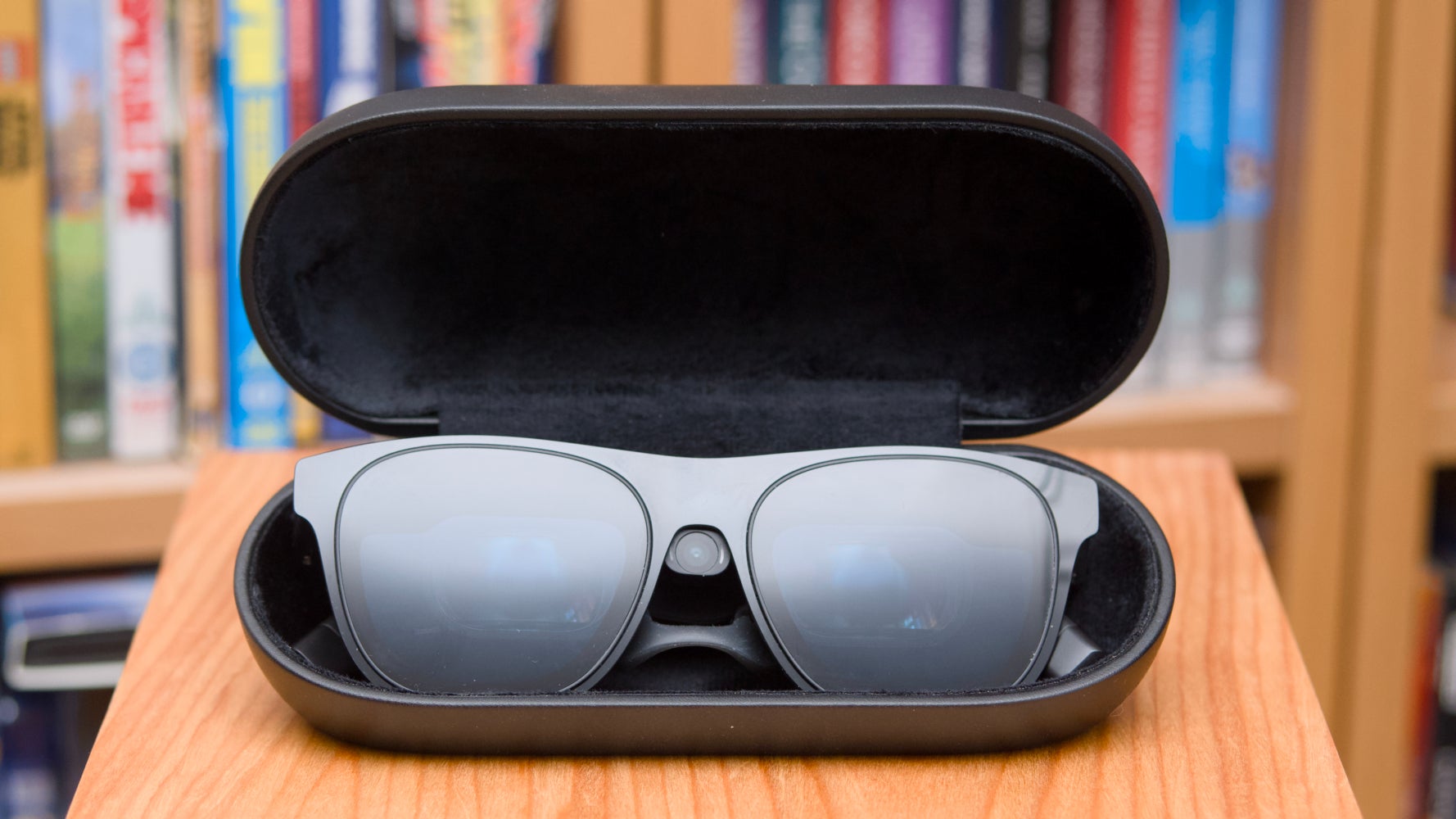
On November 9, 2026, retaildive.com reported that Amazon is deploying thousands of smart glasses to its delivery drivers. According to retaildive.com lead reporter Max Garland, the heads-up hardware provides turn-by-turn navigation and step-by-step package drop-off instructions directly within couriers' line of sight. By overlaying essential route data into the driver's visual field, the e-commerce giant aims to shave critical seconds off individual drop-offs and substantially boost delivery efficiency across its logistics network.
The last-mile leg of the delivery pipeline remains the most expensive and labor-intensive portion of modern e-commerce. Couriers typically juggle heavy parcels while repeatedly glancing down at handheld scanners to verify apartment numbers, gate security codes, and specific customer drop-off instructions. As retaildive.com notes, moving that operational flow onto an optical display lets couriers keep their hands free and their eyes up, reducing friction between parking the van and completing the delivery.
Amazon is uniquely positioned to execute a rollout of this scale. The company has spent years refining smart eyewear form factors through multiple generations of consumer Echo Frames. While those consumer audio glasses focused primarily on voice assistants and micro-speakers, building an enterprise grade display system represents a major pivot toward practical utility. Drivers navigating complex apartment complexes, unfamiliar suburban walkways, and multi-story office buildings benefit directly from visual prompts that indicate exactly where a parcel should be left.
What this means: Enterprise deployments like this are critical stepping stones for the broader smart glasses sector. While consumer adoption of display glasses remains steady, commercial operations can justify the hardware costs through quantifiable gains in productivity. Logistics hubs have tested heads-up displays in controlled fulfillment warehouses for years, frequently turning to specialized enterprise hardware from vendors like Vuzix and industrial programs run by Google. Amazon taking optical delivery guidance out of the warehouse and onto public streets at scale proves that heads-up computing is mature enough for messy, unpredictable environments.
The long-term success of the initiative will ultimately depend on driver ergonomics and hardware reliability. Couriers endure long shifts in rain, intense sun, and freezing temperatures. To keep drivers from leaving them on the van dashboard, the glasses must be comfortable, lightweight, weather-resistant, and compatible with prescription lenses. If Amazon demonstrates measurable time savings without fatiguing its workforce, expect rival logistics carriers to accelerate their own smart eyewear initiatives in short order.
Interactive guide: prices, displays, cameras, battery.
Share this story