News · Apple
Apple Targets Late 2027 for First AI Smart Glasses, Eyeing Meta's Grip
Reports indicate Apple is preparing displayless, iPhone-tethered AI frames for late 2027 to challenge Meta's commanding lead in audio-and-camera eyewear.

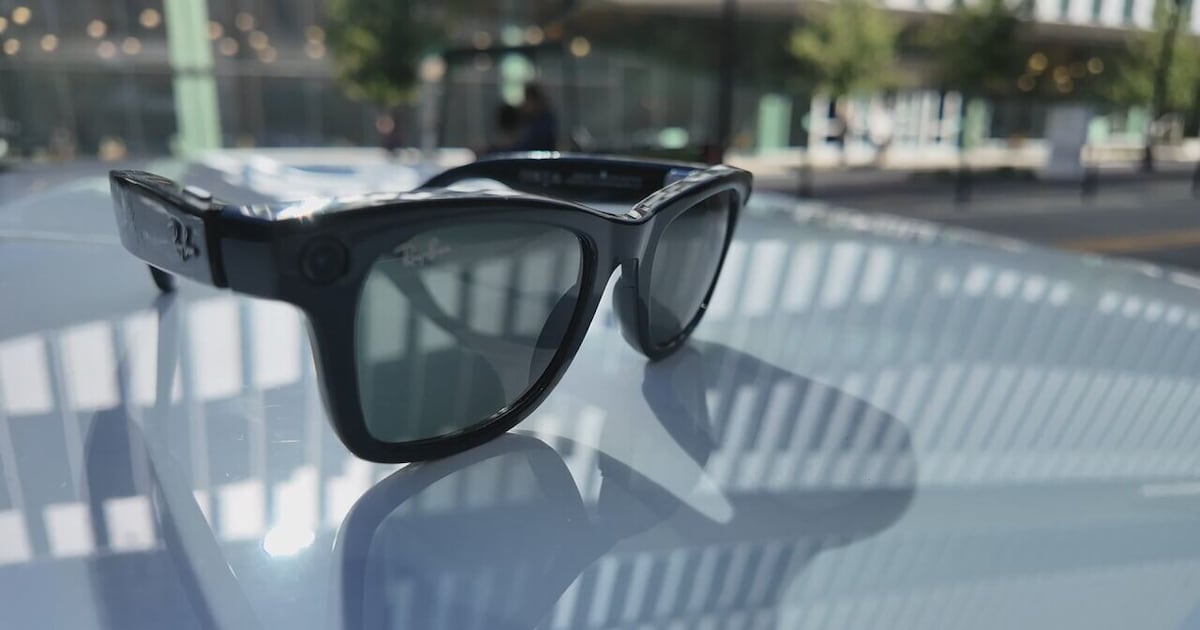
On November 10, 2026, reports surfaced detailing Apple's roadmap for its first dedicated smart glasses, indicating a target launch window in late 2027. According to reporting from finance.biggo.com, citing data from Geeky-Gadgets, the consumer tech titan is aiming directly at a sector where Meta currently commands roughly 94% of the market with its $299 Ray-Ban collaborations. Rather than attempting a complex, bulky augmented reality headset out of the gate, Cupertino is reportedly planning a lightweight, displayless design that delegates heavy computing to the wearer's iPhone.
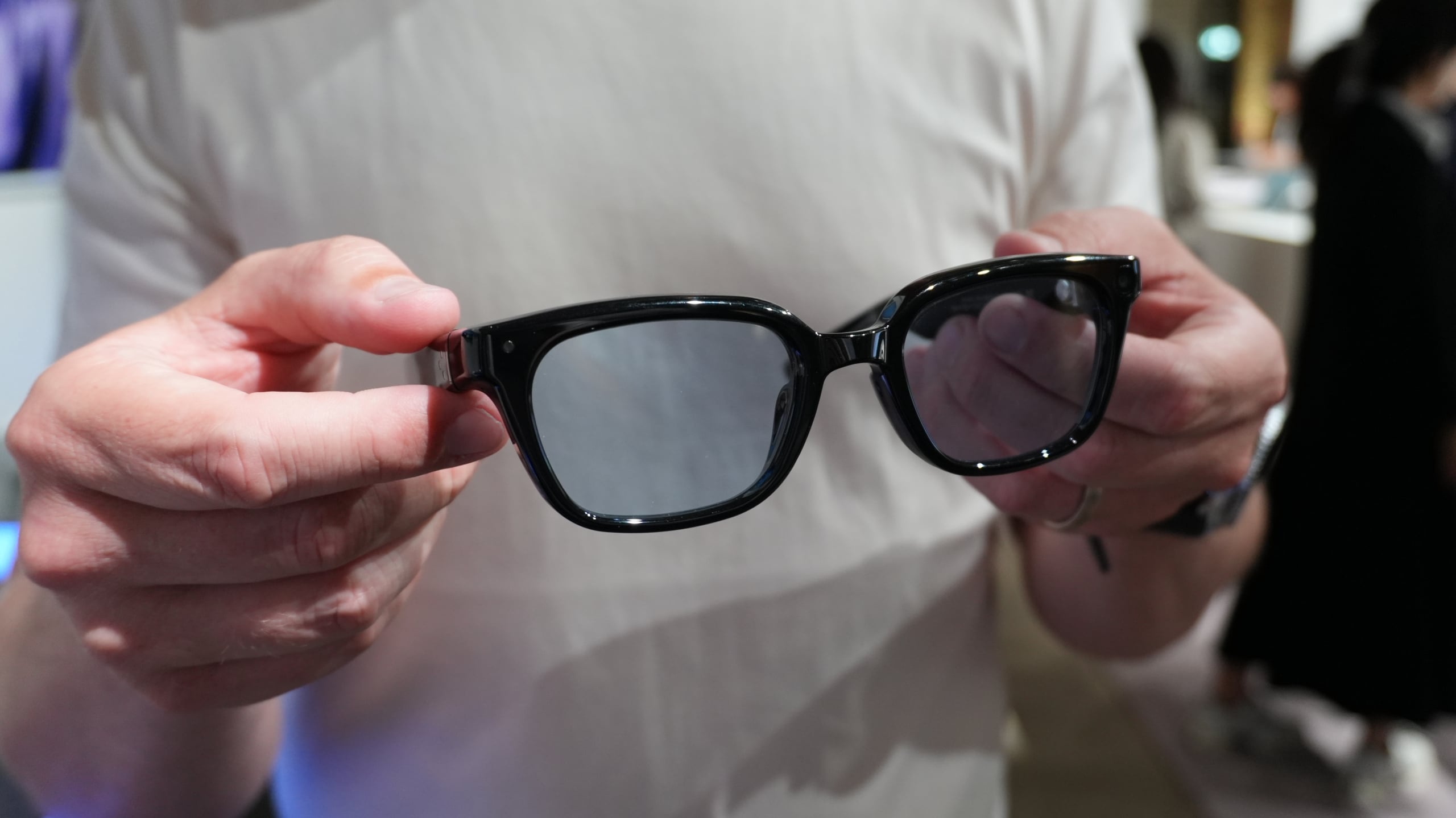
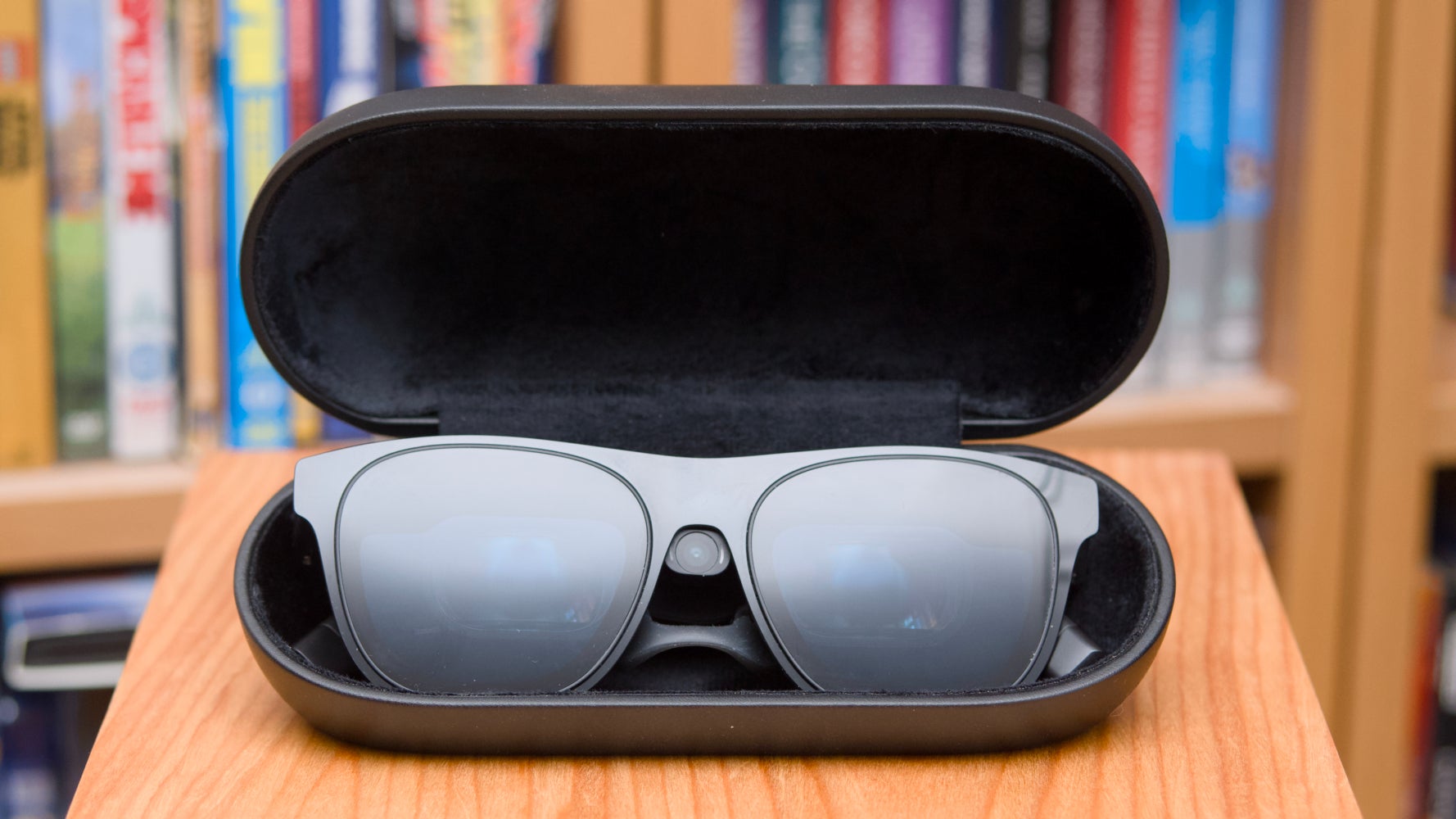
The reported hardware architecture follows the playbook established by successful AI audio frames. As finance.biggo.com reports, the upcoming glasses are expected to feature discreet cameras for still photos and video capture, embedded open-ear speakers, and microphones optimized for hands-free Siri queries. True to Apple tradition, privacy mechanisms are expected to take center stage, addressing long-standing public concerns over face-mounted optical sensors. Rumors also suggest that Apple could introduce an early developer preview at its Worldwide Developers Conference ahead of the late 2027 commercial rollout, giving third-party developers time to integrate spatial audio, computer vision, and context-aware tools into their apps.
The timing aligns with an unprecedented surge in consumer demand for screen-free wearables. Market figures cited by finance.biggo.com reveal that global shipments of AI-equipped glasses leaped 263% year over year during the first half of 2026, with displayless frames making up 96% of total volumes. While full optical AR remains the ultimate destination for many tech firms, consumers have consistently voted with their wallets for lightweight, socially acceptable frames that handle audio playback, phone calls, and ambient visual AI queries without adding face-weighing optical engines.
Apple is not giving up on full augmented reality displays, either. According to the report, a full AR glasses release remains in development with an estimated timeline closer to 2029. In the meantime, rival tech giants are not sitting still. Google and Samsung continue to pour capital into XR platforms and lightweight wearable designs, setting up a clash of consumer ecosystems over the next three years. Meanwhile, Meta's dominance gives it immense leverage, though finance.biggo.com notes that ongoing public scrutiny over Meta's privacy record and facial recognition capabilities could create a marketing opening for Apple.
Our take: A late 2027 debut means Apple is arriving fashionably late to a party Meta already runs. By the time Apple ships its first pair, Meta and EssilorLuxottica will be on their third or fourth generation of smart eyewear, with millions of active users and deeply refined computer vision pipelines. However, counting Apple out would be a mistake. The Apple Watch entered a market crowded with early smartwatch hardware and quickly dominated it by leaning on tight iOS integration, premium industrial design, and unmatched consumer trust.
How it compares: The core differentiator will come down to ecosystem tethering. Meta's frames must navigate background sync restrictions on iOS and Android, whereas Apple can seamlessly bridge its glasses into local iPhone processing, iCloud Photo Library, and on-device Apple Intelligence models. If Apple prices these frames competitively and avoids the premium sticker shock of Vision Pro, it could instantly turn millions of iPhone users into smart glasses wearers overnight.
Interactive guide: prices, displays, cameras, battery.
Share this story