Manufacturer News · Google
Google Opens Smart Glasses Preorders Starting at $395 With 'Hey Gemini' Wake Word
Partnering with Warby Parker and Gentle Monster, Google opens preorders for its AI eyewear, rolling out a new wake phrase and up to nine hours of battery life.

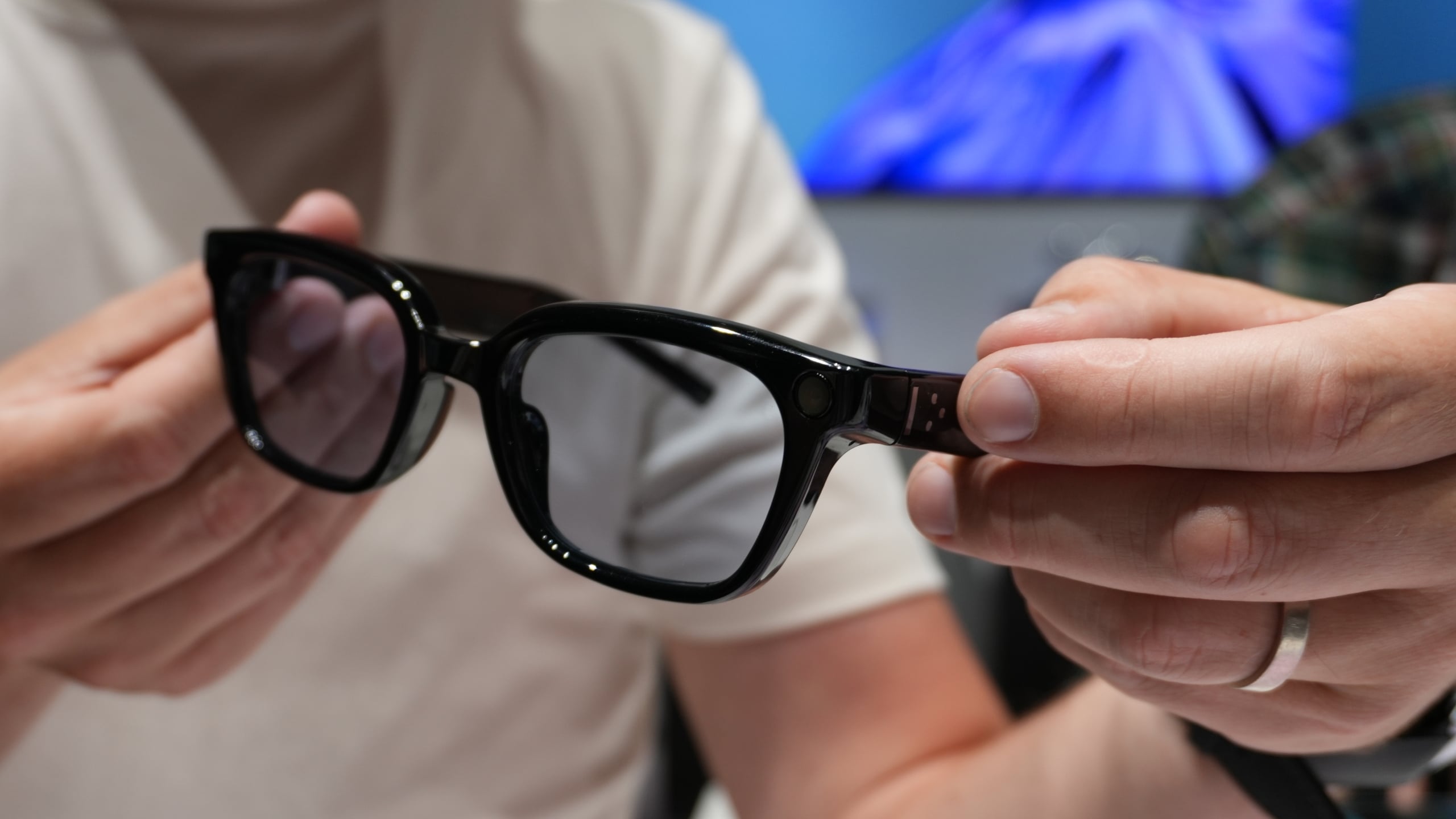
On November 13, 2026, Google officially opened preorders for its long-awaited intelligent eyewear collections, finally sharing firm pricing and hardware specifications after months of teasing. Built in close partnership with Samsung, Warby Parker, and Gentle Monster, the new frames mark Google's direct return to consumer smart eyewear. Along with the preorder rollout, Google introduced a notable change to its voice interface by adding a dedicated 'Hey Gemini' wake phrase.
Buyers will have two distinct style routes to choose from. Warby Parker is launching three classic frame silhouettes called Alden, Reid, and Wren, priced at $395. Fashion house Gentle Monster is offering six bolder, more expressive frames priced at $449. Across both collections, the underlying hardware remains uniform: each pair weighs approximately 41 grams and delivers up to nine hours of active battery life. The frames pack a 12-megapixel ultra-wide camera, custom-tuned directional audio, and a dedicated charging case capable of topping up the glasses up to seven times before needing a wall outlet.
Interaction relies on either physical capacitive touch controls along the temple or voice commands. While traditional 'Hey Google' and 'OK Google' triggers remain active, Google is introducing 'Hey Gemini' to summon its flagship multimodal AI assistant. According to clubic.com, which cited reporting from Android Authority, this new activation phrase highlights a shift away from legacy Google Assistant branding toward Gemini as the central intelligence engine.
How it compares: At 41 grams, Google and its partners have hit a critical weight target for all-day wearable comfort, landing squarely against competitor hardware like the Ray-Ban Meta frames. The nine-hour battery claim, if substantiated in independent testing, would significantly outlast many existing audio-camera frames on the market. Furthermore, a charging case offering seven full recharges suggests a package designed for multiday travel without daily anxiety over finding a plug. However, with base prices starting at $395 and running up to $449, Google is positioning this lineup at a clear premium over Meta's standard $299 entry point.
What this means: By distributing the hardware across Warby Parker and Gentle Monster, Google is attempting to solve the classic aesthetic barrier that derailed early consumer head-worn devices over a decade ago. Warby Parker gives Google access to everyday prescription wearers who prioritize understated, office-ready frames, while Gentle Monster covers trend-forward buyers willing to pay top dollar for avant-garde styling. Outsourcing the exterior design allows Google and Samsung to focus purely on sensor miniaturization, battery efficiency, and software.
Our take: The debut of 'Hey Gemini' is more than just a fresh wake word. It signals the complete operational handover from the utility-driven Google Assistant to an agentic, multimodal AI ecosystem built to process visual and audio context in real time. The real test for these frames will not be whether they look good on a store shelf, but whether Gemini's ambient processing feels genuinely indispensable enough on your face to justify a $400 commitment.
Interactive guide: prices, displays, cameras, battery.
Share this story