Manufacturer News · Google
Google I/O 2026: Android XR Smart Glasses Take Center Stage
Google I/O 2026 delivered new details on Android XR smart glasses. The annual developer event highlighted the continued push for AI-powered spatial computing on future eyewear.
At its annual Google I/O developer conference on May 19, 2026, Google unveiled key updates regarding its Android XR smart glasses initiative. The event, covered live by WIRED, centered on the company's dual strategy of advancing both its Gemini suite of AI tools and its spatial computing platform for future eyewear.
WIRED reporters on the ground, including Boone Ashworth and Michael Calore, offered a hands-on perspective with 'all of Google’s upcoming smart glasses' in a separate report. This suggests significant hardware advancements beyond mere software iterations, indicating Google's continued investment in the physical form factor of its AR ecosystem.
While specific integration details were not fully disclosed within the live blog, the strong emphasis on Gemini AI throughout I/O 2026 points to deeper AI capabilities for Android XR devices. Google's agentic search, for example, could offer unprecedented context awareness and proactive assistance directly through smart eyewear.
Our take: Google's strategy clearly positions AI and spatial computing as intertwined. The 'upcoming smart glasses' hint from WIRED's coverage suggests we are beyond concept and into tangible development. Android XR is solidifying its position as a critical operating system, poised to power a diverse range of smart eyewear in the years to come, potentially challenging existing proprietary ecosystems.
## Reference specs and hardware approach
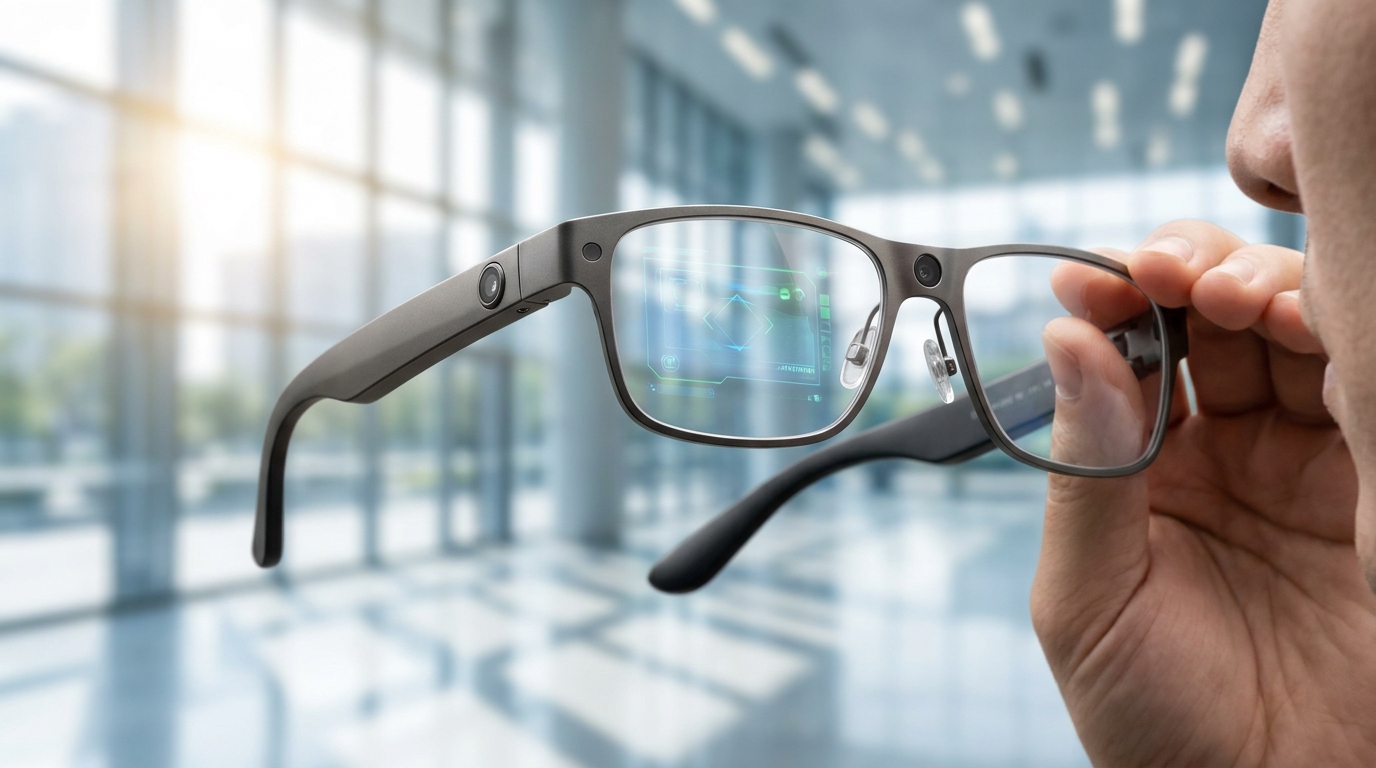
Under the hood of the initiative presented at I/O, Google introduced its own reference design for Android XR smart glasses. The device is classified as augmented reality glasses and was announced for a Fall 2026 release, specifically scheduled for September 2026. The reference glasses feature an optical waveguide display, though the resolution remains to be announced.
Unlike tethered spatial computing headsets, the Google Android XR reference design does not need a cable. It includes an integrated camera to capture optical surroundings. The glasses do not feature on-device AI; instead, they operate by routing visual and voice queries to Google's cloud-based Gemini AI assistant.
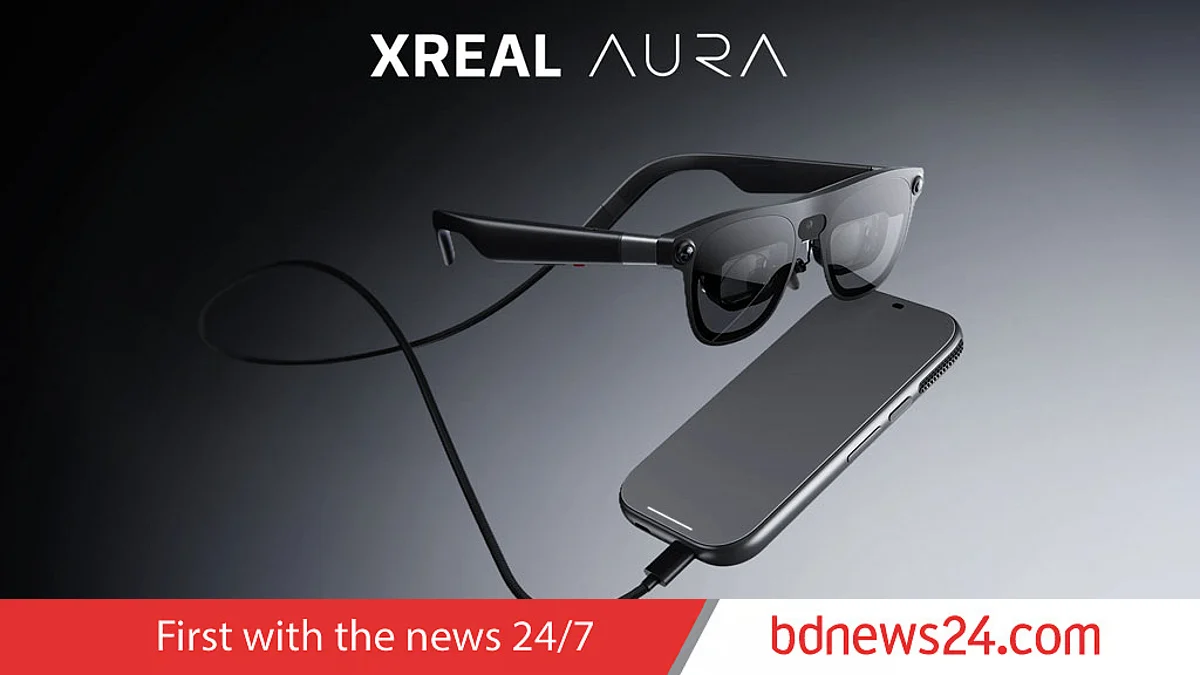
This reference hardware establishes the foundation for a broader partner network. As we reported on May 25, 2026, Google's Android XR smart glasses rollout includes models from Warby Parker, Gentle Monster, and XREAL, co-developed with Samsung. These offerings range from audio-focused frames to full-display AR glasses. Furthermore, as we reported on May 25, Google's Gemini glasses promise real-time, context-aware assistance with deep ecosystem integration, aiming to redefine AI wearables.
## Updates from the partner ecosystem
Since this article was published, Google and its hardware collaborators have taken major steps forward. As we reported on June 12, 2026, Google confirmed that Gemini-powered smart glasses created with Warby Parker and Gentle Monster would arrive this fall to challenge Meta, though notably debuting without an integrated display.
Component and manufacturing partnerships expanded soon after. As we reported on July 11, 2026, Magic Leap deepened its strategic tie with Google and formalized an AR manufacturing agreement with Pegatron, highlighting core waveguide technology for future AI display glasses. As we reported on July 16, 2026, Android XR was positioned to remake the smart glasses market within twelve months by establishing an open standard across hardware makers.
Hardware development accelerated further in late summer. As we reported on August 3, 2026, Samsung officially debuted its Galaxy AI Glasses developed in partnership with Google. The Galaxy-branded device features integrated cameras, advanced AI capabilities, and seamless ecosystem compatibility, representing a major consumer push for the platform.
## Market impact and unresolved challenges
By the autumn, Google's operating system strategy had come into sharper view. As we reported on October 29, 2026, Android XR represents Google's push to turn connected eyewear into an open hardware war against proprietary platforms. In another report on October 29, we noted that Android XR is positioned to commoditize hardware and standardize ambient displays over the following twelve months as competitors face sales hurdles.
However, critical hurdles remain before these glasses find universal consumer comfort. As we reported on November 2, 2026, Samsung and Google face an unresolved privacy problem with Android XR. Public wariness around face-mounted cameras remains high, and silence on privacy safeguards will not cut it if Android XR glasses are to succeed.
Interactive guide: prices, displays, cameras, battery.
Share this story