Manufacturer News · Google
Google Fortifies Gemini Smart Glasses With Anti-Tamper LED and Face Redaction
Google details strict privacy measures for its Gemini eyewear, including sensors that disable the camera if the LED is blocked and automatic bystander face redaction.

On November 12, 2026, Google unveiled a sweeping set of privacy safeguards and technical guardrails for its upcoming Gemini-powered smart glasses, taking direct aim at public anxiety over wearable cameras. As detailed by Shahram Izadi, Google's Vice President and General Manager of XR, the new eyewear platform incorporates hardware-level tamper detection for its recording light, automatic bystander face blurring, and strict boundaries around AI data retention.
Hardware-level enforcement sits at the center of the strategy. According to reporting by Anamarija Pogorelec at helpnetsecurity.com, the glasses feature an outward-facing LED capture light paired with onboard sensors engineered to detect physical tampering. If a user covers the light with tape, paint, or a modified skin, the system detects the obstruction and refuses to capture photos or video. In tandem with the hardware block, Google Shopping and Ads policies have banned third-party accessories designed to conceal or disable smart glasses indicator lights.
Data handling during live AI interactions is also being re-engineered. Helpnetsecurity.com reports that when wearers ask Gemini questions about their immediate surroundings, the glasses are designed to redact bystanders' faces before the imagery is processed by the AI model. Google has committed to excluding visual query inputs from user Gemini History, model training sets, and advertising pipelines. Data remains encrypted on the device and in transit to paired phones and cloud servers, while directional microphones isolate the wearer's voice from background speech by default.
Platform governance will be equally aggressive. Setting up the eyewear requires a verified Google Account for users aged 18 and older, accompanied by an explicit agreement not to film people without consent or wear the device in sensitive areas. Google explicitly reserves the authority to remotely disable hardware belonging to users who violate these terms. Furthermore, Google Play rules forbid third-party developers from modifying the LED behavior, streaming live video directly to social platforms, or implementing real-time facial recognition.
However, helpnetsecurity.com highlights important technical caveats, noting that features like face redaction, voice isolation, and tamper detection are still design intentions that require independent verification. The publication also emphasizes that Private AI Compute, Google's hardened data-isolation environment, has not yet rolled out to the eyewear platform, suggesting enterprise users should exercise caution before allowing the frames near confidential displays.
What this means: Google is acutely aware that it created the original smart glasses backlash a decade ago with Google Glass, and it cannot afford a repeat performance. Relying purely on an honor system or basic software notifications has proven ineffective across the category, where users regularly use tape or stickers to bypass capture lights on rival frames. By adding sensor-driven capture locks that stop the shutter when the LED is obscured, Google is establishing a standard that could become mandatory for consumer acceptance.
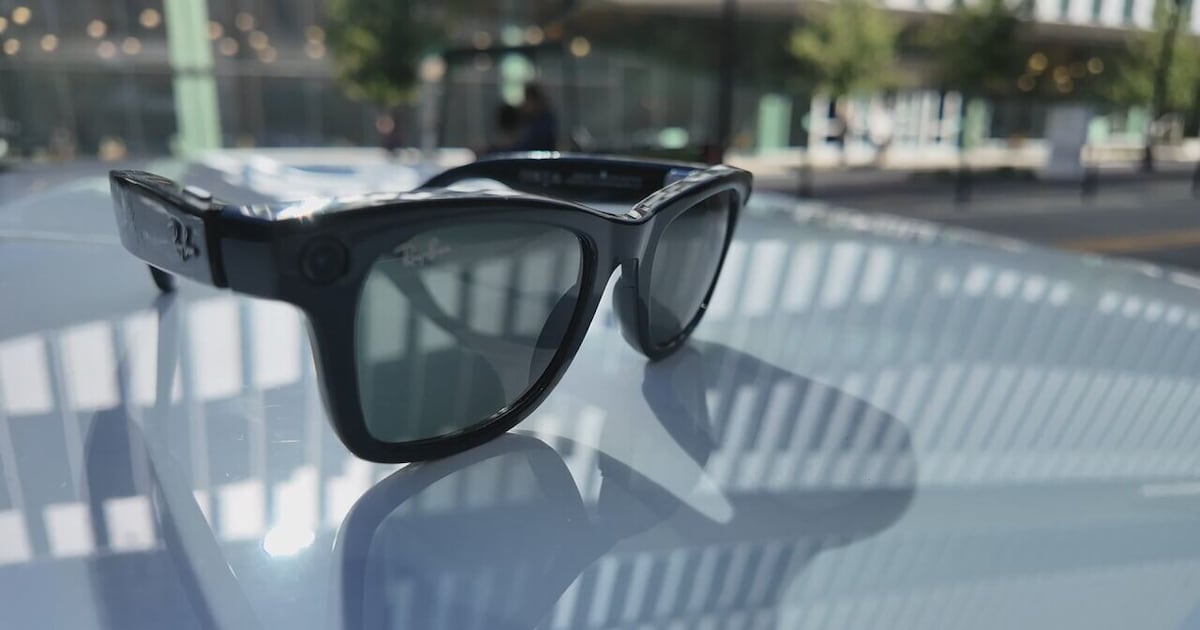
How it compares: Meta's Ray-Ban frames feature an LED that monitors for physical coverage, but third-party privacy tests have shown inconsistent enforcement. Snap has historically leaned on distinctive frame designs rather than aggressive software lockouts. Google's preemptive facial redaction before cloud processing represents the most proactive bystander protection yet proposed by a major hardware maker. If Google can deliver these safeguards without crippling Gemini's visual latency, it will put immense pressure on Meta and Apple to match the same baseline.
Interactive guide: prices, displays, cameras, battery.
Share this story