Analysis · Meta
Secret Smart Glasses Filming Faces Criminal Penalties Under French Law
A legal analysis details how covert recording with camera glasses crosses directly into criminal territory under strict European privacy protections.

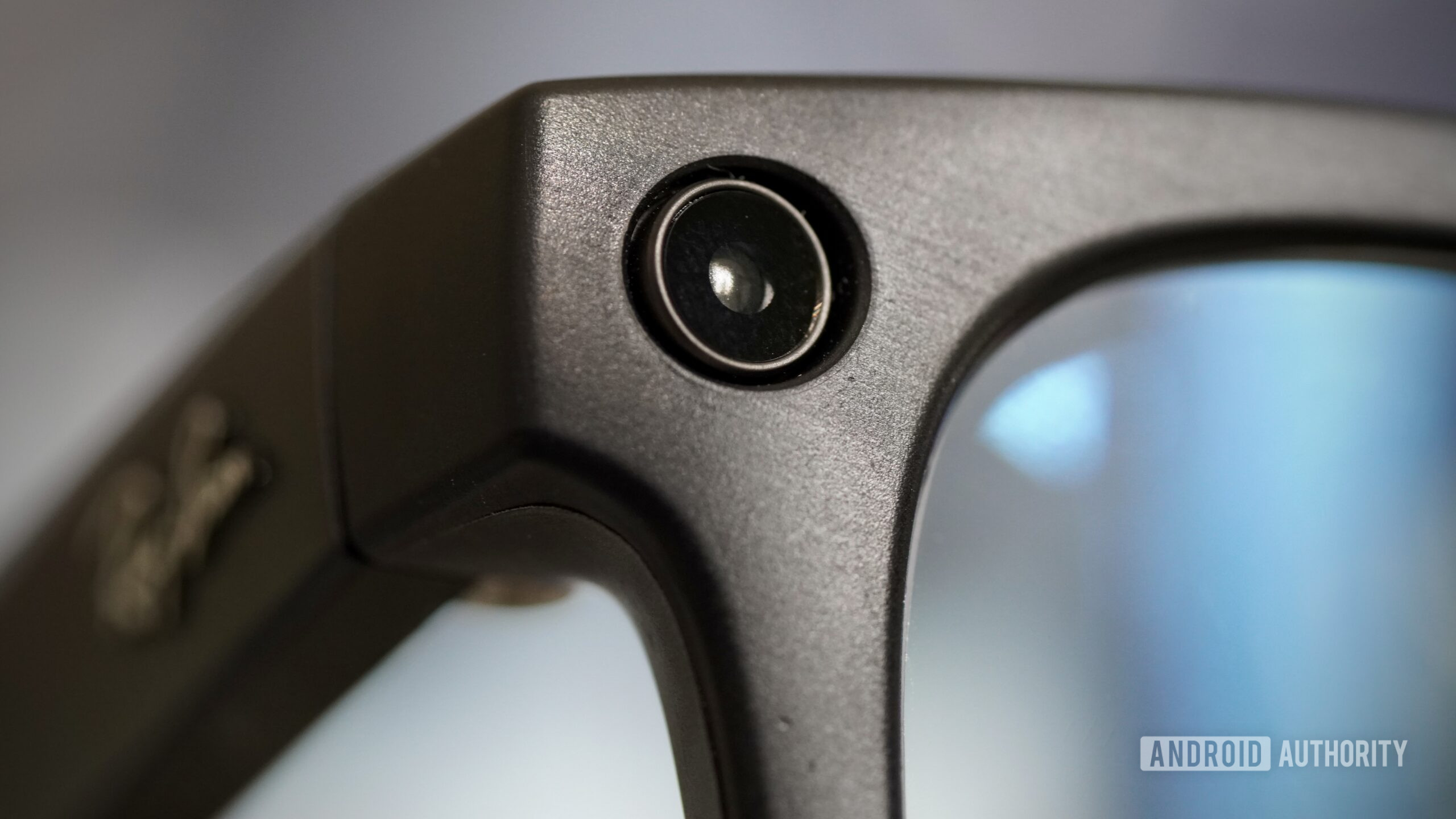
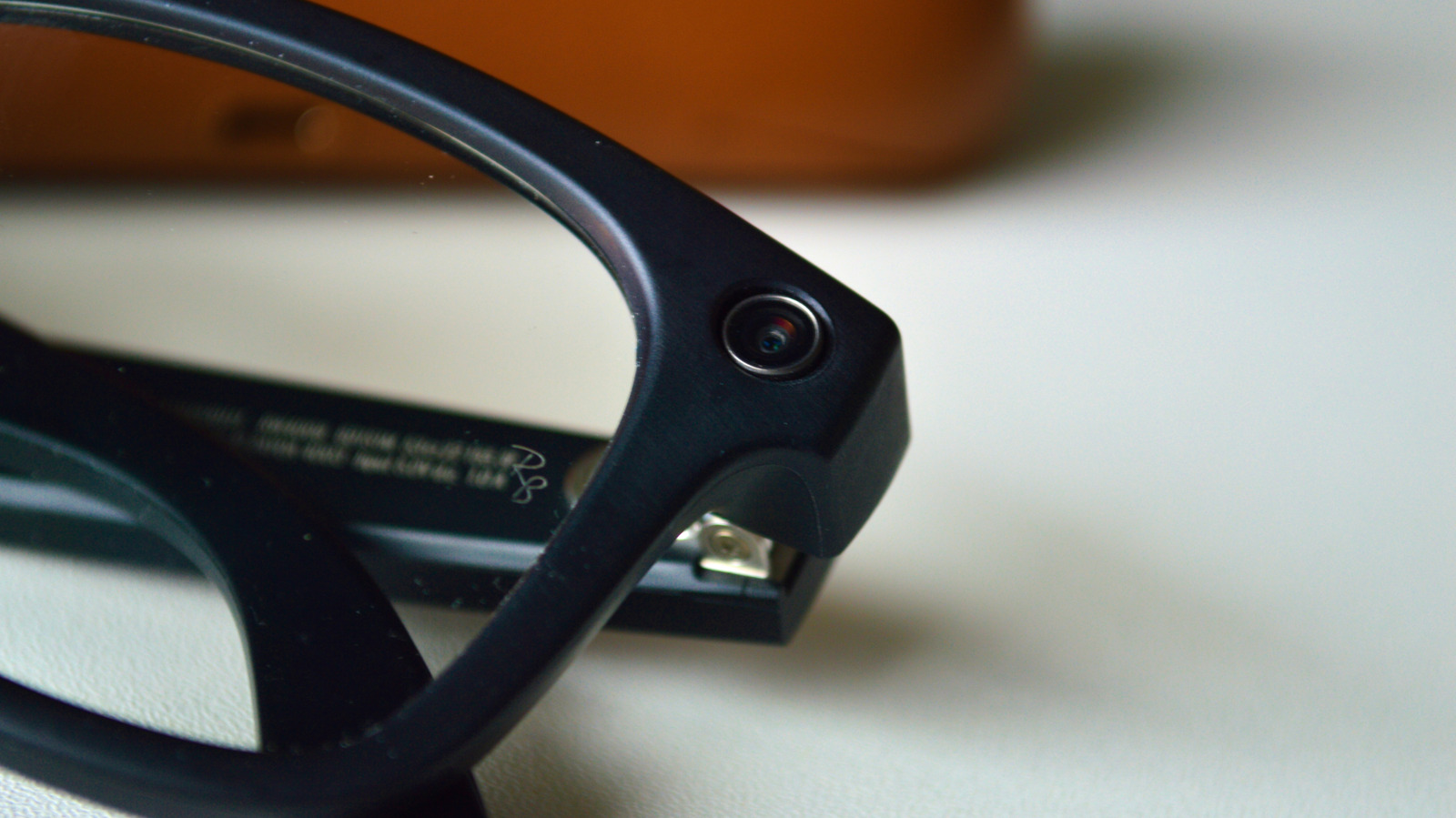
On October 28, 2026, French legal think tank leclubdesjuristes.com published an analysis by law professor Jean-Christophe Saint-Pau detailing how camera-equipped eyewear collides with European privacy statutes. The piece cites an incident documented by Libération, where a woman discovered a coworker had secretly photographed her inside her home using Meta smart glasses, noting her dismay that no clear audio chime or visible cue gave the capture away.
According to Saint-Pau's breakdown for leclubdesjuristes.com, recording someone in a private venue without their explicit knowledge triggers severe legal consequences under French law. Article 226-1 of the French Penal Code punishes clandestine recording or transmission of an individual's image in private quarters with up to one year of imprisonment and a 45,000 euro fine. While passive consent can be presumed if recording happens openly and observers have the chance to object, covert capture strips that defense away entirely. Furthermore, Saint-Pau emphasizes that even if someone tolerates an ephemeral photo, separate consent is required under European data protection standards to store or broadcast that media.
Our take: Hardware brands have long treated subtle indicator LEDs as sufficient proof of social notice, but real-world privacy disputes show those safeguards are failing. When consumers tap their temples at private gatherings, they risk stepping directly into criminal liability across European jurisdictions. Regulators will inevitably push for louder, unmaskable capture indicators if users continue treating wearable cameras like invisible lenses.
Interactive guide — prices, displays, cameras, battery.
Share this story