News · Ray-Ban
Argentine Court Fines Gynecologist for Wearing Ray-Ban Meta Glasses During Exam
A Córdoba judge penalized a physician for wearing camera-equipped frames during an intimate consultation, establishing that failing to disclose smart glasses can carry legal consequences even without active recording.

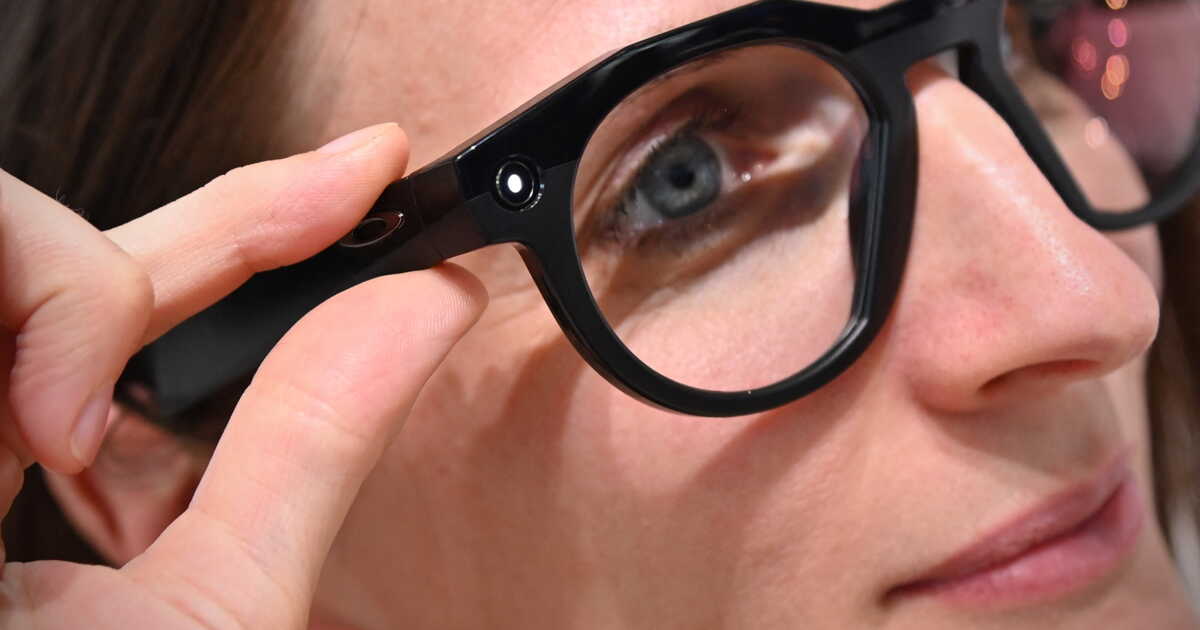
In a ruling spotlighted on November 8, 2026, an Argentine appellate judge established a landmark precedent for wearable technology in sensitive environments. Judge José Milton Peralta in Córdoba province reversed an earlier acquittal, imposing a 900,000-peso fine and mandatory gender-education coursework on a gynecologist who wore camera-equipped Ray-Ban Meta glasses during an intimate examination without the patient's consent.
According to neoteo.com, citing reporting from Infobae, the court did not find proof that the glasses had actually captured footage or that their recording system had been switched on. Instead, the legal penalty rested entirely on the physician's failure to disclose that he was wearing recording-capable hardware during a consultation that included a transvaginal ultrasound. The ruling overturned a prior dismissal by the local Unidad Contravencional de Género.
The underlying consultation occurred on February 26, 2026, regarding fertility preservation. Argentine outlet eldoce reported that the physician argued his glasses had their recording functions deactivated. However, Infobae noted that Judge Peralta cited Argentina's Patient Rights Law alongside the Asociación Médica Argentina Code of Ethics, determining that the inherent power imbalance during an intimate medical procedure served as an aggravating factor. Allegations of improper physical contact were dismissed due to lack of evidence, but the judge found that wearing stealthy recording hardware without prior notice directly violated the patient's rights.
This decision draws a crucial legal line between actively recording someone and merely bringing an undisclosed, sensor-laden device into a space where privacy is legally expected. As neoteo.com highlighted, wearing camera-capable glasses and proving that they recorded someone are separate findings under the law. In clinical settings, the potential for surveillance alone can create distress, compromise consent, and rupture professional trust.
What this means: Hardware makers have spent years designing smart glasses that look indistinguishable from conventional eyewear, but this case demonstrates the dark side of that aesthetic triumph. Meta designed Ray-Ban Meta frames to resemble iconic Wayfarer and Headliner styles specifically so users could blend in. While an external capture LED is supposed to signal when recording is active, that minor optical indicator offers zero comfort to patients who do not even realize their doctor is wearing consumer electronics on his face. In sensitive sectors like healthcare, law, and education, the burden of disclosure cannot rely on an unobtrusive white light on the frame front.
Our take: Smart eyewear adoption is colliding head-on with established privacy expectations, and the consumer tech industry needs to pay close attention. As AI glasses gain widespread popularity, hospitals and clinics will almost certainly have to institute outright bans on personal smart eyewear in treatment rooms, requiring staff to revert to standard corrective lenses. If wearable makers want professional credibility, they must recognize that in confidential settings, wearing a camera without explicit permission is an unacceptable violation of trust, whether you tap the shutter button or not.
Interactive guide: prices, displays, cameras, battery.
Share this story