Guides · RayNeo
AI Translation Glasses: Breaking Language Barriers in Real Time
AI translation glasses are poised to revolutionize global communication, offering real-time language interpretation through sophisticated speech recognition and display technologies.
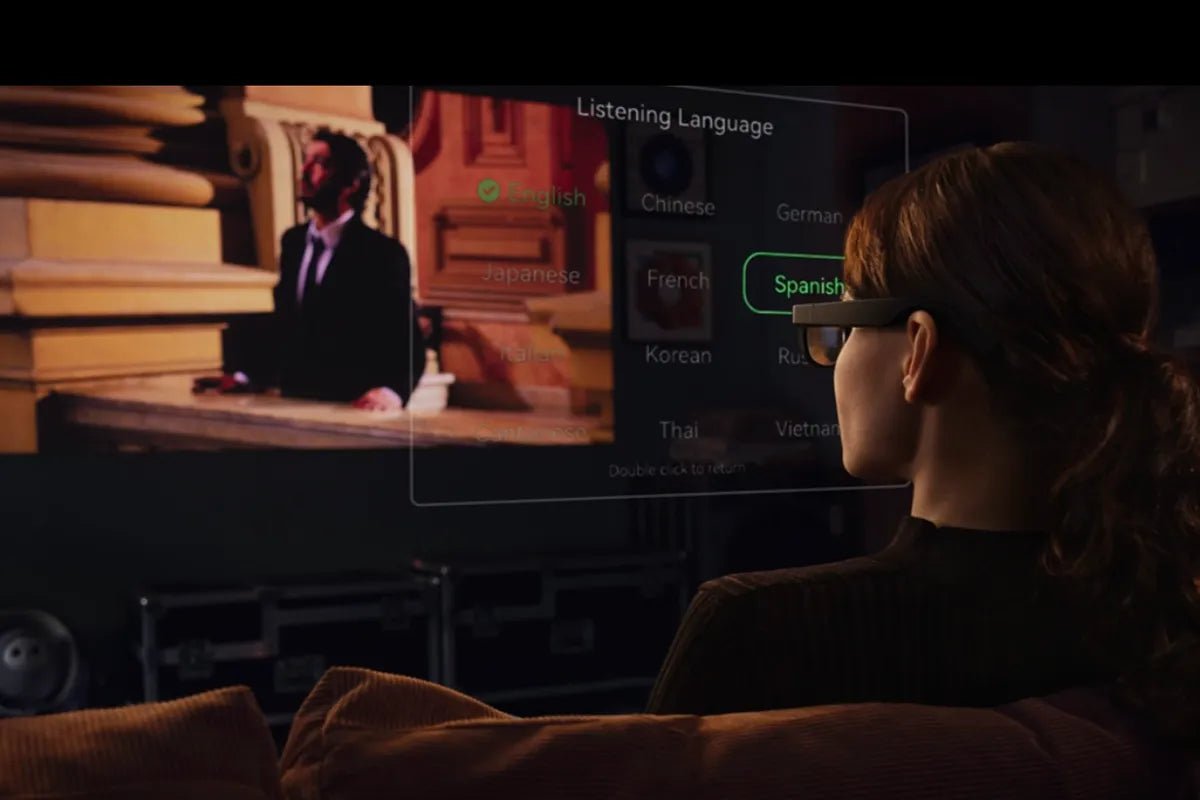
The promise of instant, seamless cross-language communication has long been a holy grail for technology, and AI translation glasses are bringing this future closer. As highlighted in discussions by TCL RayNeo News, these devices leverage artificial intelligence to interpret spoken words and present them visually or audibly, eliminating traditional language barriers.
At their core, AI translation glasses operate through a multi-stage process. First, integrated microphones capture spoken language. This audio is then processed using advanced speech recognition algorithms, converting the speech into text. Following this, natural language processing (NLP) and machine translation engines translate the text into the target language. The speed and accuracy of these stages are paramount for real-time performance.
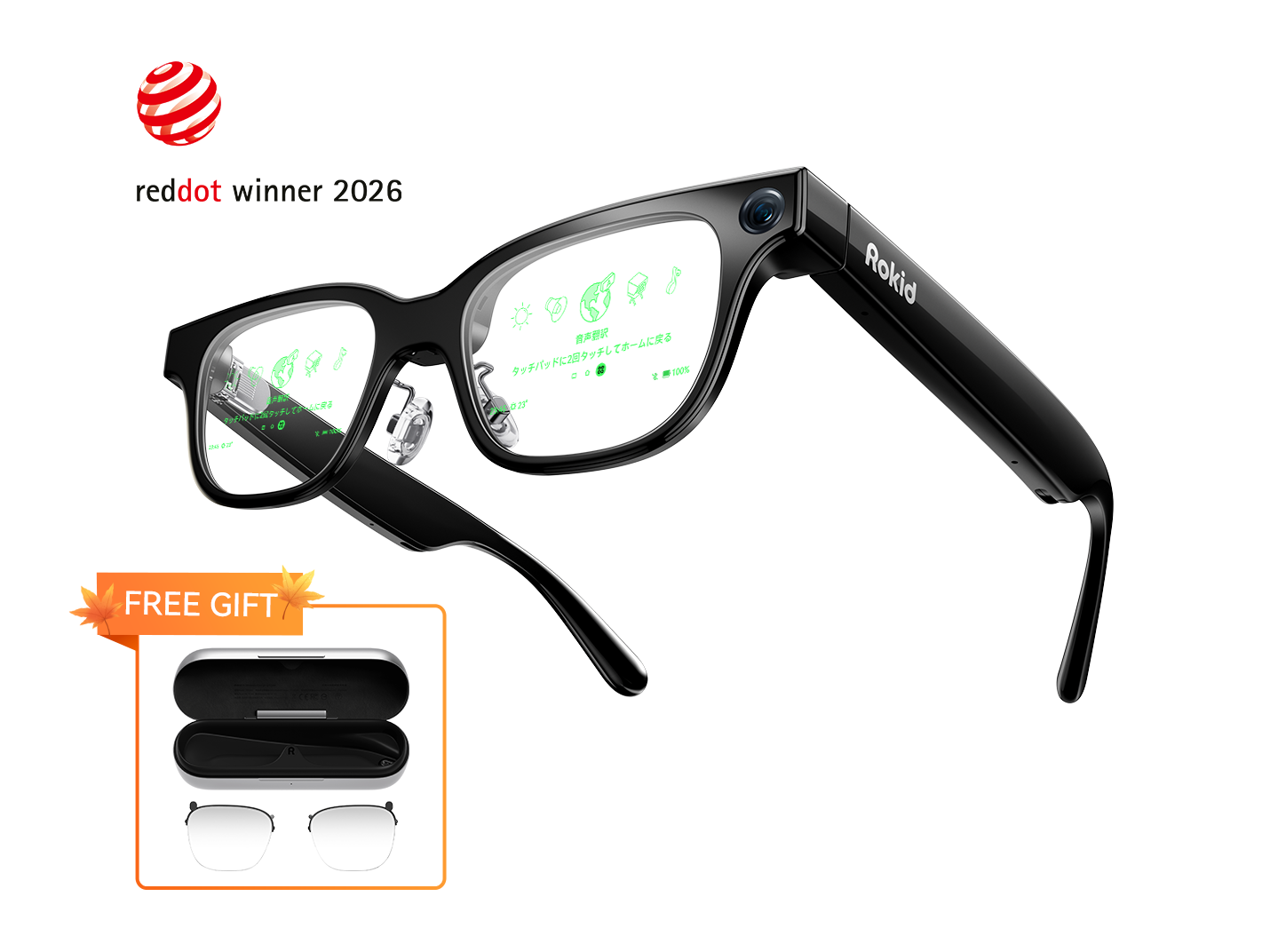
The output mechanism is where smart glasses truly shine. Users can experience translation in several ways: real-time subtitles projected onto the lenses, providing a discreet visual overlay; or through audio translation, delivered via integrated speakers or bone-conduction technology. Some advanced models even offer a blend, allowing users to choose their preferred mode based on context and social setting.
When selecting AI translation glasses, several factors demand scrutiny. Accuracy and low latency are non-negotiable for effective communication; a laggy or imprecise translation can lead to misunderstandings. Battery life is another critical concern, as constant processing is power-intensive. Comfort and design also play a role, given these are worn on the face for extended periods. Connectivity, typically via Bluetooth to a smartphone, is also vital for accessing translation engines.
Beyond technical specifications, consider the supported languages, privacy features, and ecosystem compatibility. Some devices offer offline translation capabilities, a significant advantage in areas without reliable internet. Data privacy protocols are essential, as personal conversations are being processed. Finally, evaluate the device's integration with other apps or services, which can enhance its utility beyond mere translation.
Our take: AI translation glasses represent a tangible step towards a more interconnected world. While the technology is still evolving, the best models today already offer compelling experiences for travelers, international business professionals, and anyone engaging in cross-cultural dialogues. Expect rapid advancements in accuracy, battery efficiency, and form factor as this segment matures.
Interactive guide — prices, displays, cameras, battery.
Share this story