Analysis · Multi-brand
The Reality Gap: What 2026 Smart Glasses Still Get Wrong About Everyday Life
Silicon Valley keeps chasing Marvel fantasies and surveillance cameras while consumers push back with copyright hacks and slowing sales. The future of connected frames belongs to quiet utility, not ambient recording.

Silicon Valley loves to mistake its own product roadmap for inevitable human destiny. In 2026, the tech industry wants us to believe we stand on the precipice of a face-worn revolution, where spatial operating systems and ambient AI cameras seamlessly enrich daily life. Yet look past the corporate stagecraft, and the reality tells an embarrassing story. Everyday consumers are not lining up to live inside a silicon bubble. They are pushing back, switching off, and actively mocking the category's tone-cold priorities.
The numbers do not lie, no matter how much tech executives try to spin them. EssilorLuxottica's latest financial earnings revealed that wearable hardware growth slammed on the brakes, cratering from nearly 100 percent to a modest 20 percent. The initial novelty wave that propelled Ray-Ban Meta frames to over 80 percent of the smart eyewear market has officially broken. When growth collapses by four-fifths in a single reporting cycle, you are no longer dealing with a temporary supply hiccup. You are witnessing market exhaustion.
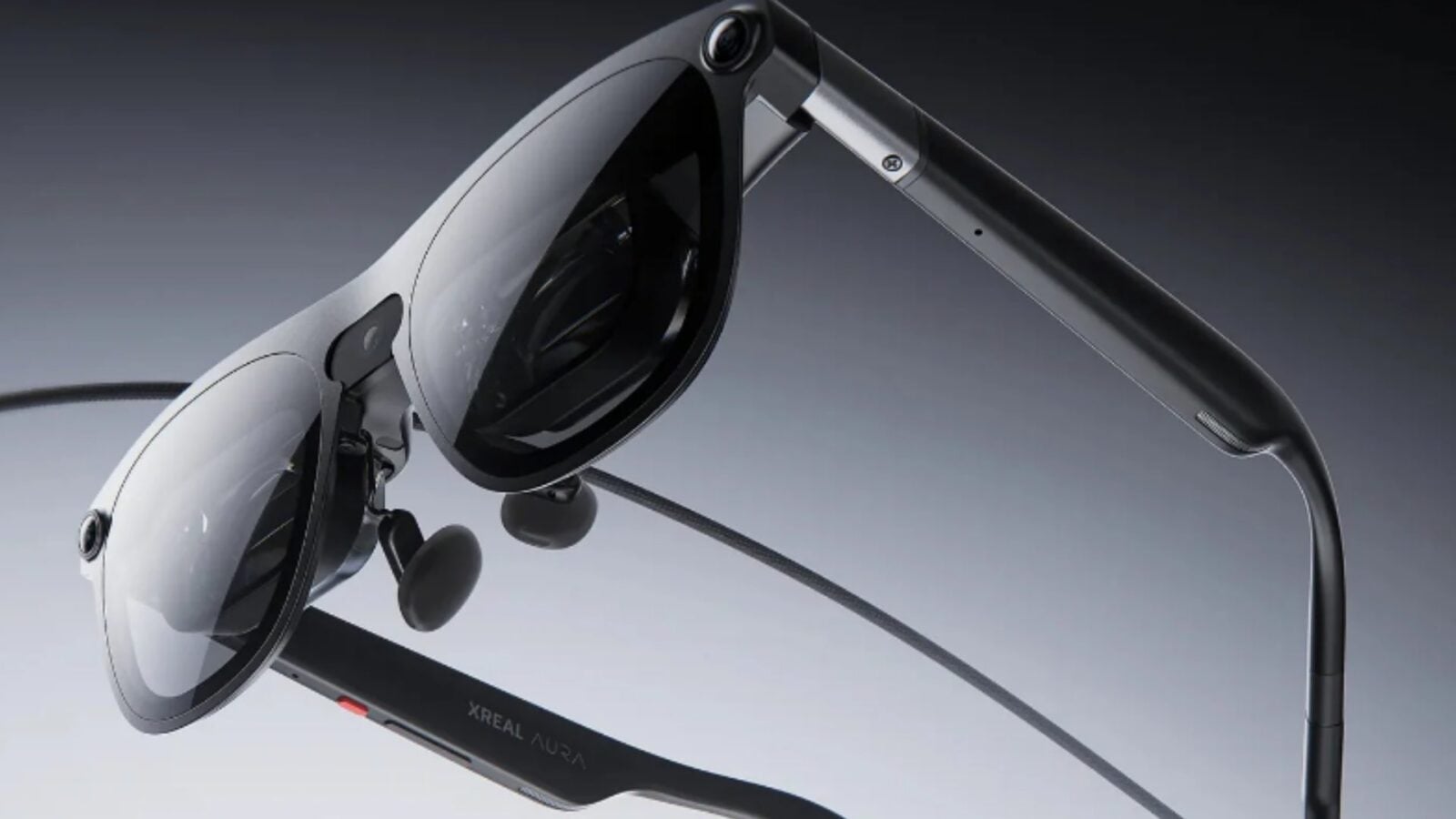
Instead of addressing why normal people are abandoning the category, Big Tech has retreated into Hollywood escapism. Snap recently signed Robert Downey Jr. as its Chief Customer Experience Officer to cosplay Tony Stark, pitching see-through AR Specs through glossy stadium broadcast spots. It is a telling admission of defeat. If you need Marvel nostalgia and movie-star endorsements to convince people that bulky holographic frames belong on their faces, your product has failed the basic test of utility. Everyday users do not want to be superheroes navigating fighter-jet telemetry while buying groceries.
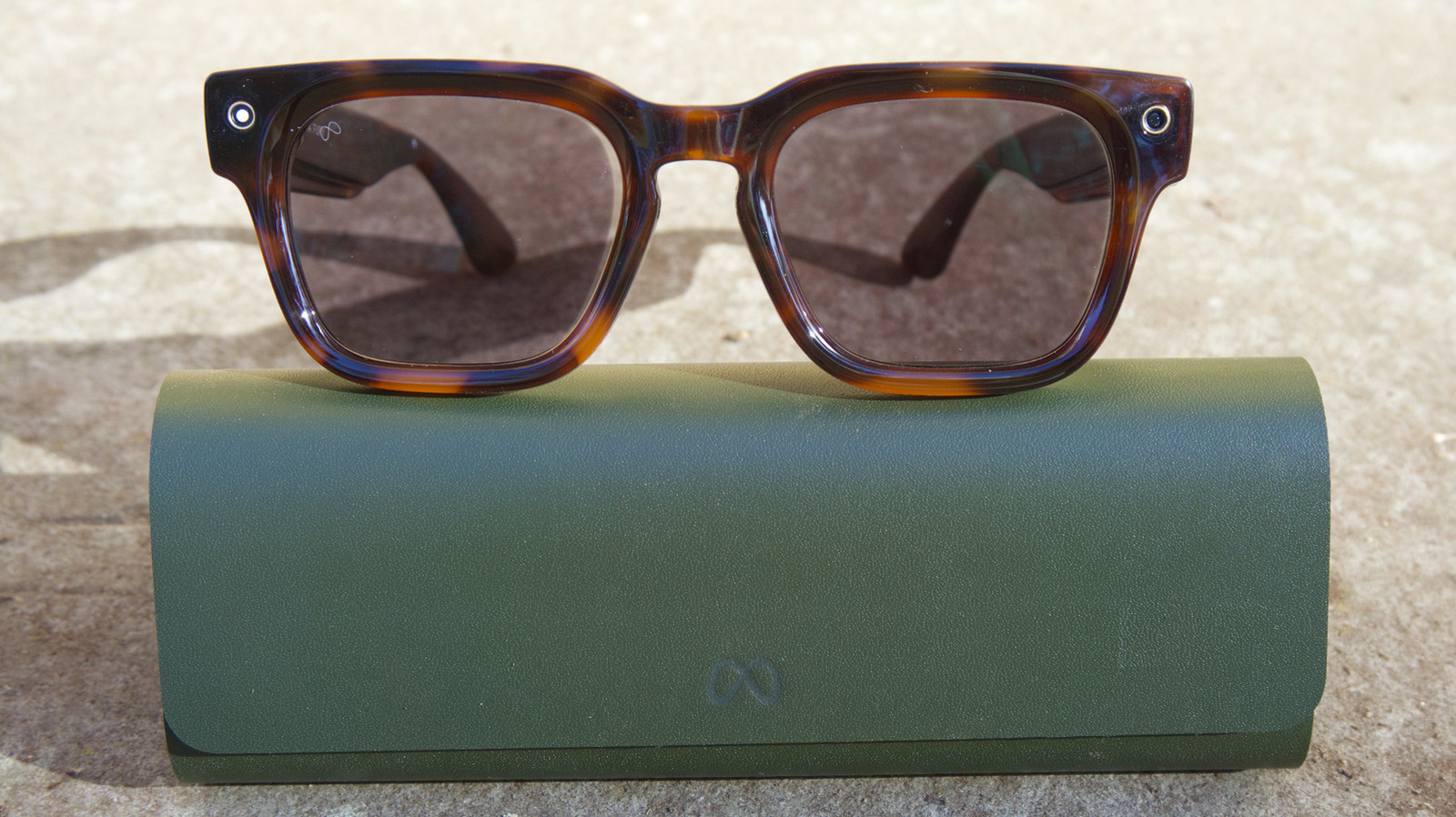
If Snap is peddling sci-fi vanity, Meta is suffering from surveillance delusion. Silicon Valley executives remain obsessed with treating every face as an unblinking sensor node for machine learning models. They assumed consumers would happily accept ambient cameras in exchange for hands-free snapshots and voice-guided trivia. What they created instead was a global etiquette nightmare. The social cost of wearing an active recording rig into a locker room, a dinner date, or a classroom vastly outweighs the meager benefits of hands-free social posting.
That friction is boiling over into open hostility across public life. Viral posts across TikTok and X now instruct bystanders to blast Disney songs whenever they spot someone wearing smart glasses, weaponizing automated copyright bots to strike down unsolicited recordings before they spread. Meanwhile, high-profile figures are locking down their private spaces against wearable espionage. In India, political leader DK Shivakumar publicly sounded the alarm after suspecting an industrialist attempted to conduct a covert sting operation using Meta frames. When your flagship wearable triggers copyright defense hacks and political espionage paranoia, the mainstream bridge is burned.
How does Meta respond to this mounting privacy crisis? By turning consumer anxiety into an exploitative upsell. The newly debuted Ray-Ban Meta Audio frames strip the onboard cameras entirely, offering basic open-ear sound, phone calls, and assistant queries in classic Clubmaster styling. The catch is an insulting $349 price tag, charging consumers significantly more for hardware that does fundamentally less. Rather than acknowledging that camera-free smart frames should be the affordable baseline for mainstream adoption, Meta treats privacy as an expensive luxury tax.
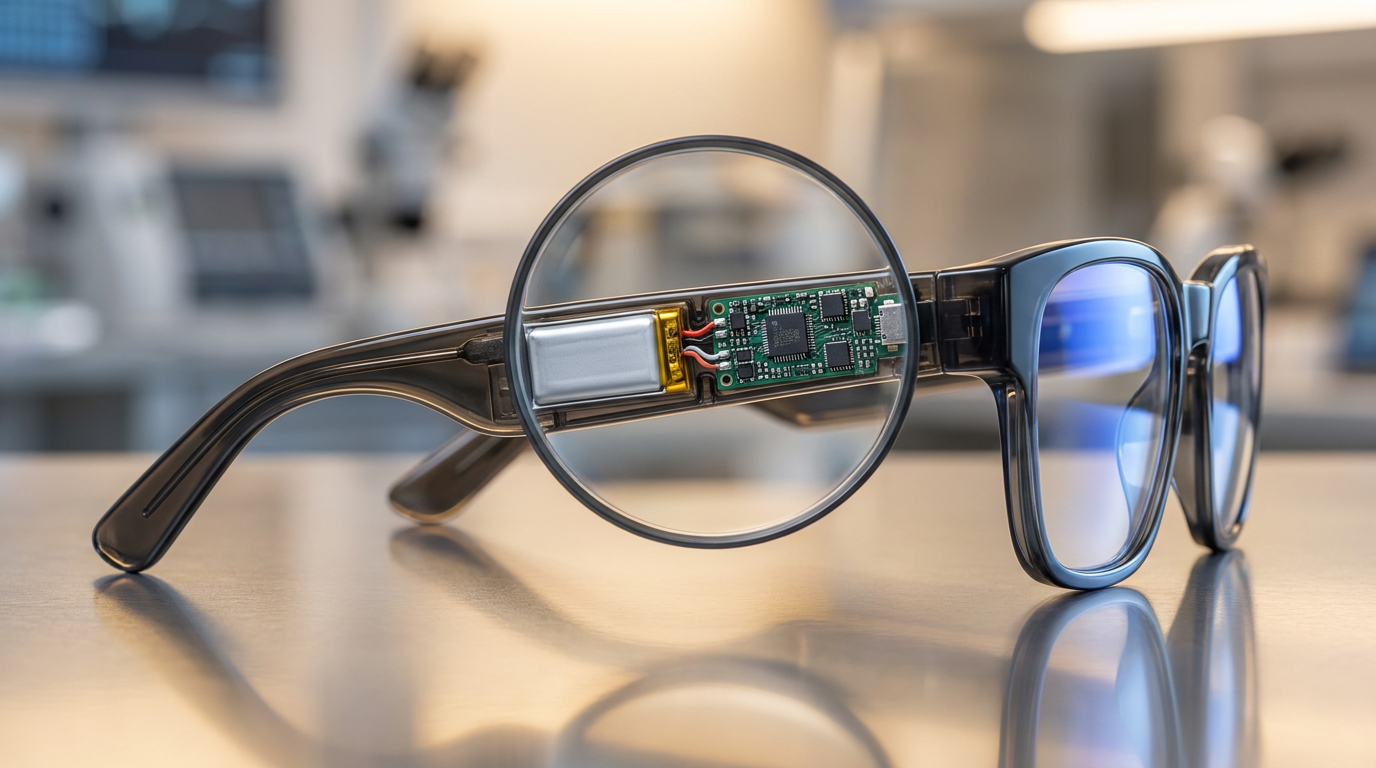
Beneath the surveillance drama lies another structural failure: the battery bottleneck. Hardware makers keep cramming high-frequency microphones, spatial chips, and wireless radios into temple stems without doing anything to solve fundamental electrochemical limits. Most camera-equipped frames cannot survive half a day of mixed usage before demanding a tether or a recharging case. A tool designed to replace smartphones cannot demand three recharge cycles between breakfast and dinner. Normal consumers do not want to babysit their glasses.
While hardware giants stumble, platforms like Google are preparing to shake up the landscape with Android XR. The emergent operating system aims to break proprietary walled gardens by turning connected eyewear into an open, multi-vendor ecosystem. Much like original Android fragmented early mobile hardware, Android XR could democratize ambient displays and strip Meta of its hardware monopoly. Yet an open operating system cannot fix a broken design philosophy on its own. Standardizing software protocols means nothing if the underlying hardware continues to alienate the wearer and everyone standing in front of them.
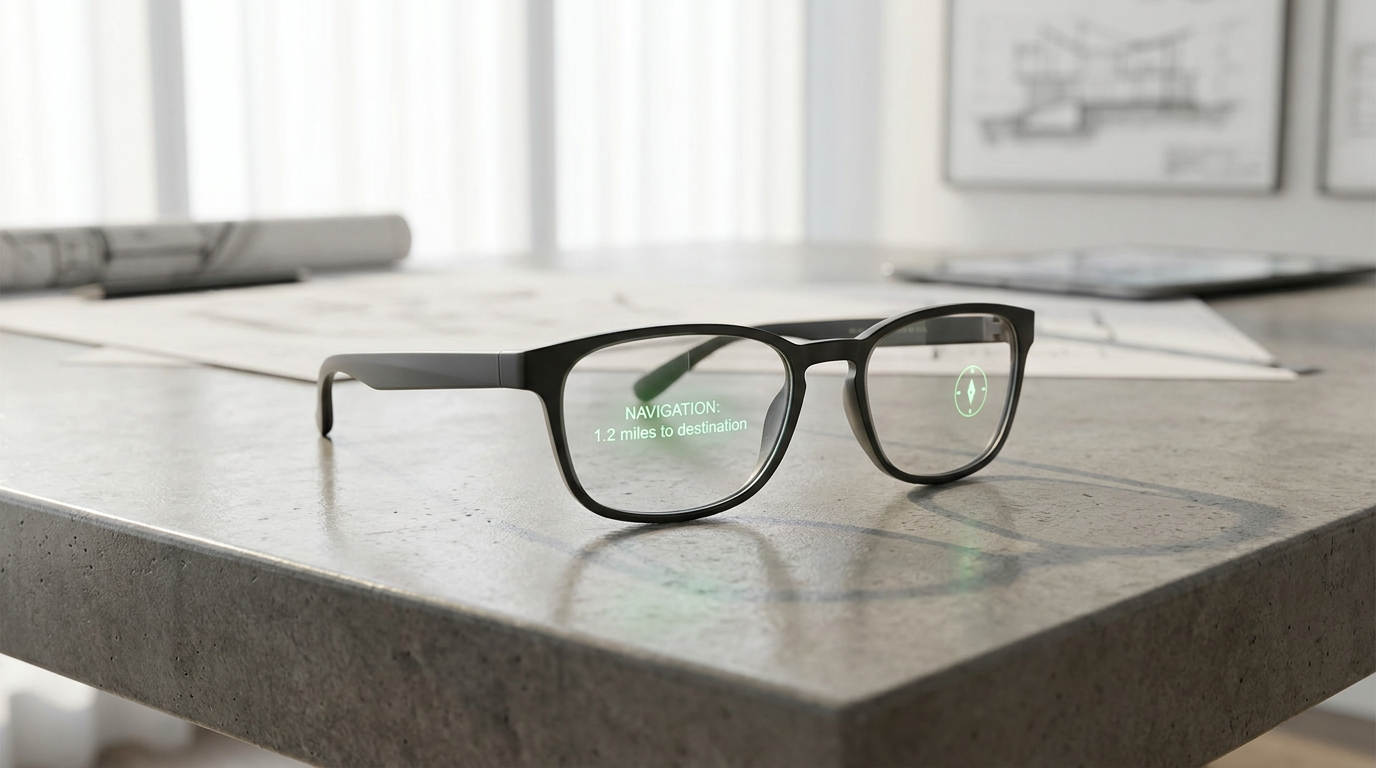
There is, however, an alternative path gaining ground away from the surveillance theater. Minimalist, heads-up display startups like Even Realities and Brilliant Labs are proving that less is vastly more. By skipping cameras entirely and focusing on quiet, green monochrome text, these designs deliver turn-by-turn directions, notifications, and instant translations without turning wearers into pariahs. They deliver high-value digital utility without draining the battery in three hours or provoking fistfights in public transit.
At the same time, stealthy umbrella players like Multi-brand are exposing the terminal lack of imagination in Big Tech boardrooms. Silicon Valley remains trapped in a binary rut: either build heavy spatial computers or churn out luxury fashion frames glued to walled-garden assistants. Multi-brand recognizes that eyewear is an inherently fragmented, personal accessory that requires diverse tiers, custom prescriptions, and flexible utility rather than single-device dogma. Mainstream users want functional variety, not an unchangeable plastic monoculture dictated by Menlo Park.
Meta's recent move to sponsor the Extended Reality exhibition at the Computer History Museum feels painfully symbolic. Celebrating six decades of spatial prototypes alongside Google and Applied Materials is a convenient way to burnish corporate prestige. But looking backward at Ivan Sutherland's 1968 pioneering headgear does nothing to answer the pressing demands of 2026. The industry cannot museum-curate its way out of consumer rejection.
The smart glasses industry does not need better celebrity cameos, denser sensor arrays, or louder hype cycles. It needs a ruthless dose of humility. Everyday users do not want to film their neighbors, they do not want to pay $349 for stripped-down audio frames, and they definitely do not want to pretend they are Iron Man. Until hardware makers build featherweight, camera-free glasses with all-day battery life and quiet text utility, the category will remain an expensive novelty running headfirst into consumer reality.
Interactive guide — prices, displays, cameras, battery.
Share this story