Manufacturer News · Xreal
Xreal Aura Pairs Android XR with a Tethered Puck for $1,279
Xreal has set a $1,279 price tag on its Android XR display glasses, beating Meta to the premium spatial computing punch with a pocket-puck architecture.
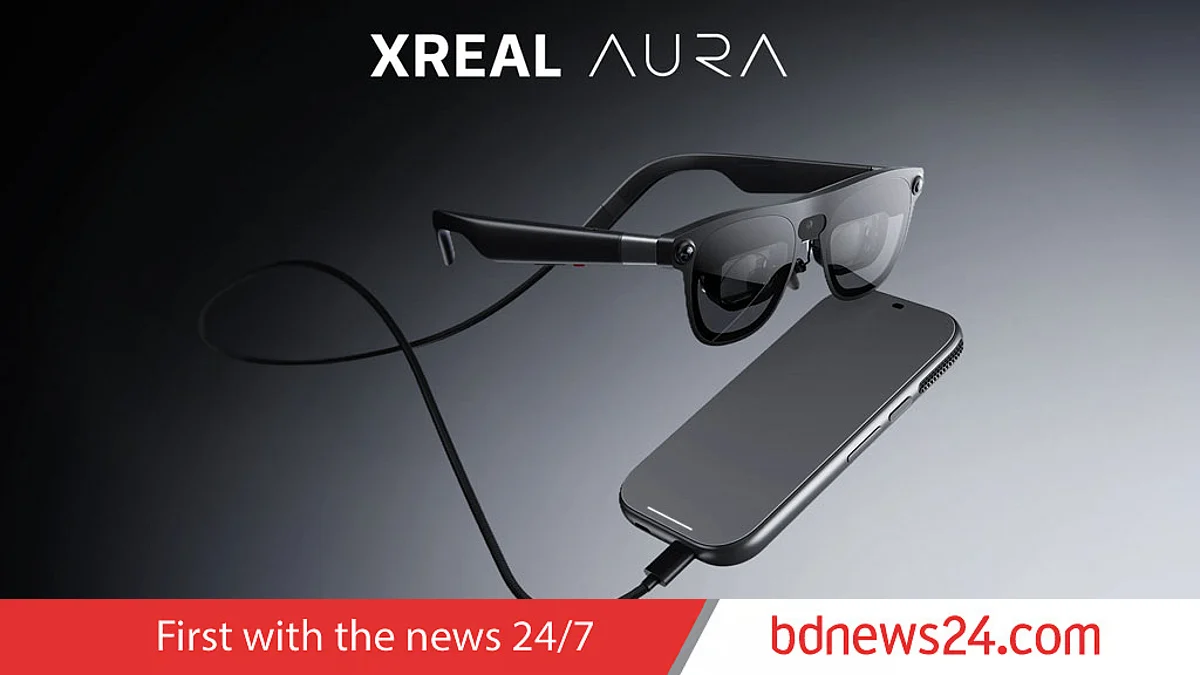
On November 24, 2026, Xreal announced the official price tag for its upcoming Aura display glasses: $1,279. The Google-backed hardware maker is positioning the hardware as one of the earliest commercial systems to run Google's dedicated Android XR platform, arriving just ahead of anticipated competing hardware from Meta.
The Aura relies on a split-processing design to balance weight and thermal performance. Instead of mounting bulky batteries, heat sinks, and silicon onto the user's face, the system pairs a slim pair of transparent display glasses with a separate pocket-sized compute puck. This smartphone-sized external unit houses the core processing power and battery, running the Android XR environment while piping visual feeds directly to the transparent optical lenses.
While Xreal confirmed the $1,279 pricing, the company stopped short of providing an exact commercial launch date. However, according to reporting by CNET, the device is projected to ship within the next month or two, with broader purchasing channels rolling out to buyers over the coming weeks.
At $1,279, the Aura bypasses budget consumer accessories and steps directly into high-end spatial computing territory. This price point reflects the cost of integrating custom optical engines with Google's spatial operating system, putting Xreal into direct competition with upcoming hardware from Meta, which has spent years developing its own high-end XR glasses and mixed-reality headsets in a similar four-figure price bracket.
What this means: Xreal and Google are making a pragmatic hardware trade-off that current physics still demands. True standalone AR glasses with all-day battery life and powerful spatial processing do not exist yet without major compromises in bulk. By offloading processing to a dedicated external puck, the Aura delivers full spatial operating system capabilities in a wearable form factor that does not weigh down the nose bridge. It represents Google's best chance to establish Android XR as a developer standard before Meta locks down the category.
For developers and spatial computing early adopters, the Aura serves as the primary gateway to see-through Android XR software. The ultimate test will be whether mainstream consumers accept running a wire down to a pocket unit at this price, or if the market decides that true untethered simplicity matters more than raw wearable capability.
Source: bdnews24.com ↗
Interactive guide: prices, displays, cameras, battery.
Share this story