Manufacturer News · Apple
Apple Eyes 2027 for First Smart Glasses in Major Hardware Push
A leaked hardware roadmap points to 2027 for Apple's long-rumored smart glasses debut alongside camera-packed AirPods and next-gen iPhones.
Apple is reportedly laying the groundwork for an unprecedented hardware expansion in 2027, according to reporting published this week by gulfnews.com. The publication details a leaked product pipeline containing up to 18 distinct hardware launches throughout that calendar year, spearheaded by Apple's long-rumored entrance into smart glasses and wearable visual computing.
The aggressive schedule coincides with the 20th anniversary of the original iPhone launch in 2007. According to gulfnews.com, Apple plans to break away from its traditional concentration of flagship hardware releases in late autumn. Instead, the company is expected to stagger launches across the entire year to accommodate an unusually crowded pipeline of next-generation form factors.
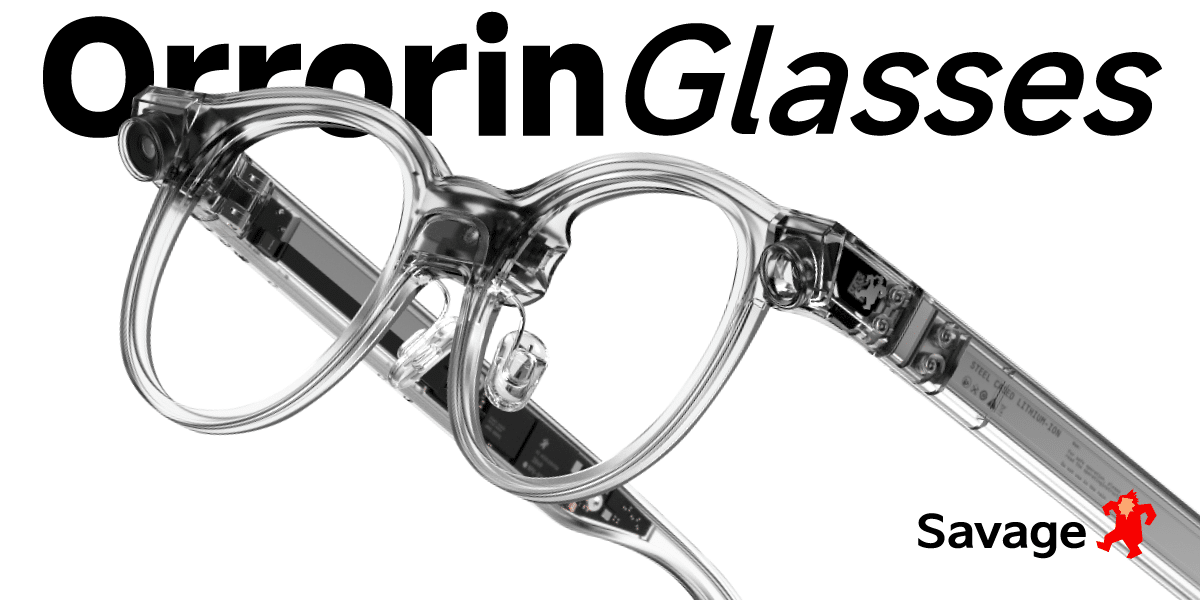
Central to this rumored 2027 push is Apple's first dedicated pair of smart glasses. While Apple entered spatial computing in 2024 with the $3,499 Apple Vision Pro, that device remains an uncompromising mixed-reality headset anchored by high weight and bulk. The industry consensus has long held that true consumer adoption depends on lightweight, daily-wearable frames that integrate display technology, spatial audio, and camera-driven computer vision without sacrificing normal aesthetic appeal.
Alongside standalone frames, the roadmap highlighted by gulfnews.com points to camera-equipped AirPods Pro and ambient AI-powered home devices. Integrating outward-facing optical sensors into wireless earbuds mirrors a broader Silicon Valley push to feed ambient contextual data to on-device neural engines. Pairing camera-assisted spatial audio hardware with lightweight frames would allow Apple to establish a multimodal hardware sensor network worn across the head and face.
The timing also reflects stiffening competition across the smart eyewear category. Meta continues to dominate mainstream consumer mindshare with its Ray-Ban Meta glasses, which start at $299 and rely primarily on audio, dual microphones, and visual cameras tied to large language models. Meanwhile, rivals like Google and Samsung are actively developing their own Android XR-based eyewear platforms. Waiting until 2027 suggests Apple wants to bypass transitional tech and launch a mature consumer product.
Our take: A 2027 timeline for Apple smart glasses makes engineering sense, but it leaves Cupertino on the sidelines during the category's formative years. Meta is already capturing massive market share and training users on everyday face-worn cameras. If Apple waits another three years, its first pair of glasses cannot simply match today's audio-and-camera baseline. It will need an extraordinary visual interface and deep Apple Intelligence integration to instantly redefine the market.
For now, spatial computing enthusiasts and Apple ecosystem watchers should prepare for a slow burn. Between current Vision Pro iterations and the eventual rollout of true smart spectacles, Apple appears focused on building the underlying software ecosystem, silicon architecture, and sensor miniaturization required to make 2027 a genuine turning point.
Interactive guide: prices, displays, cameras, battery.
Share this story