Manufacturer News · Xreal
Xreal 1 Pro+ Hits Japan as 60fps 3D Upgrade Comes Free to Older Models
Xreal completed the global rollout of the 1 Pro+ display glasses in Japan, but current owners of older hardware get the headline 60fps 3D upgrade without spending a dime.
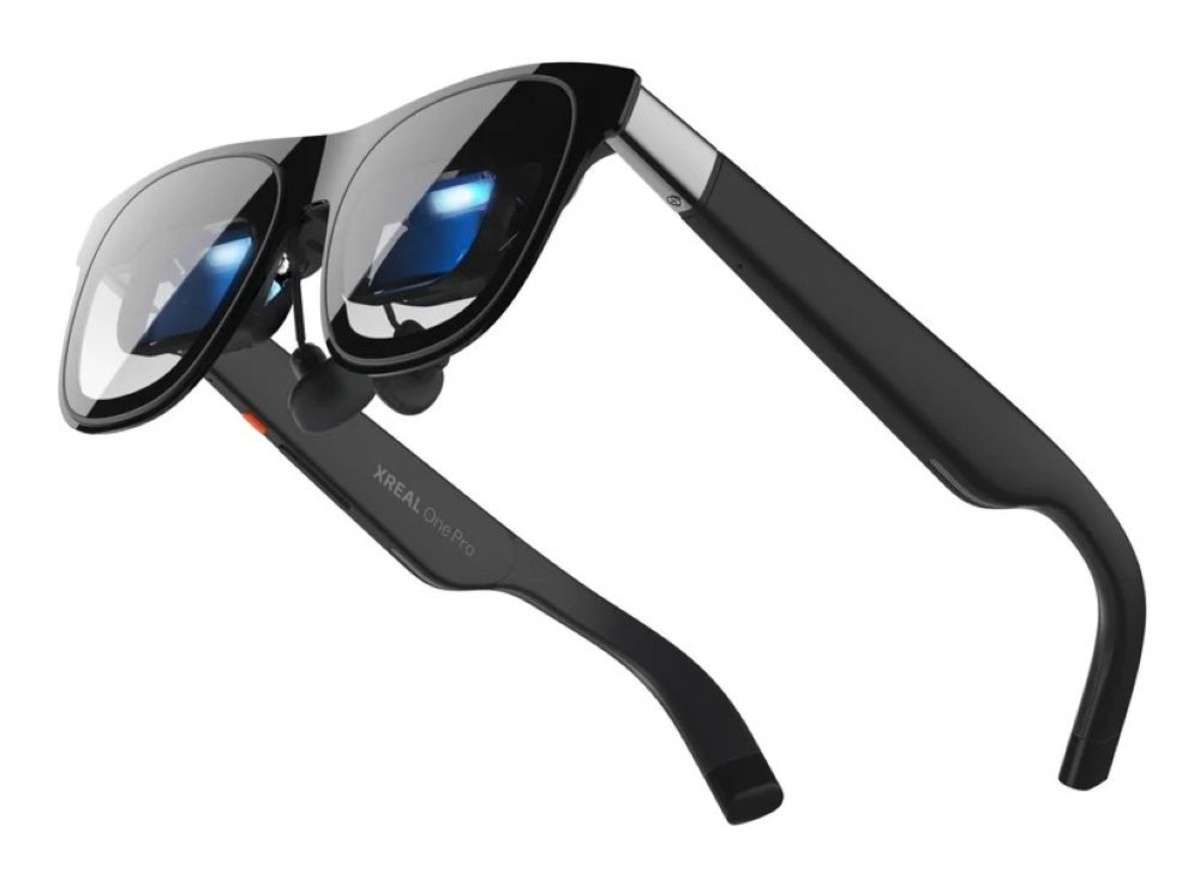
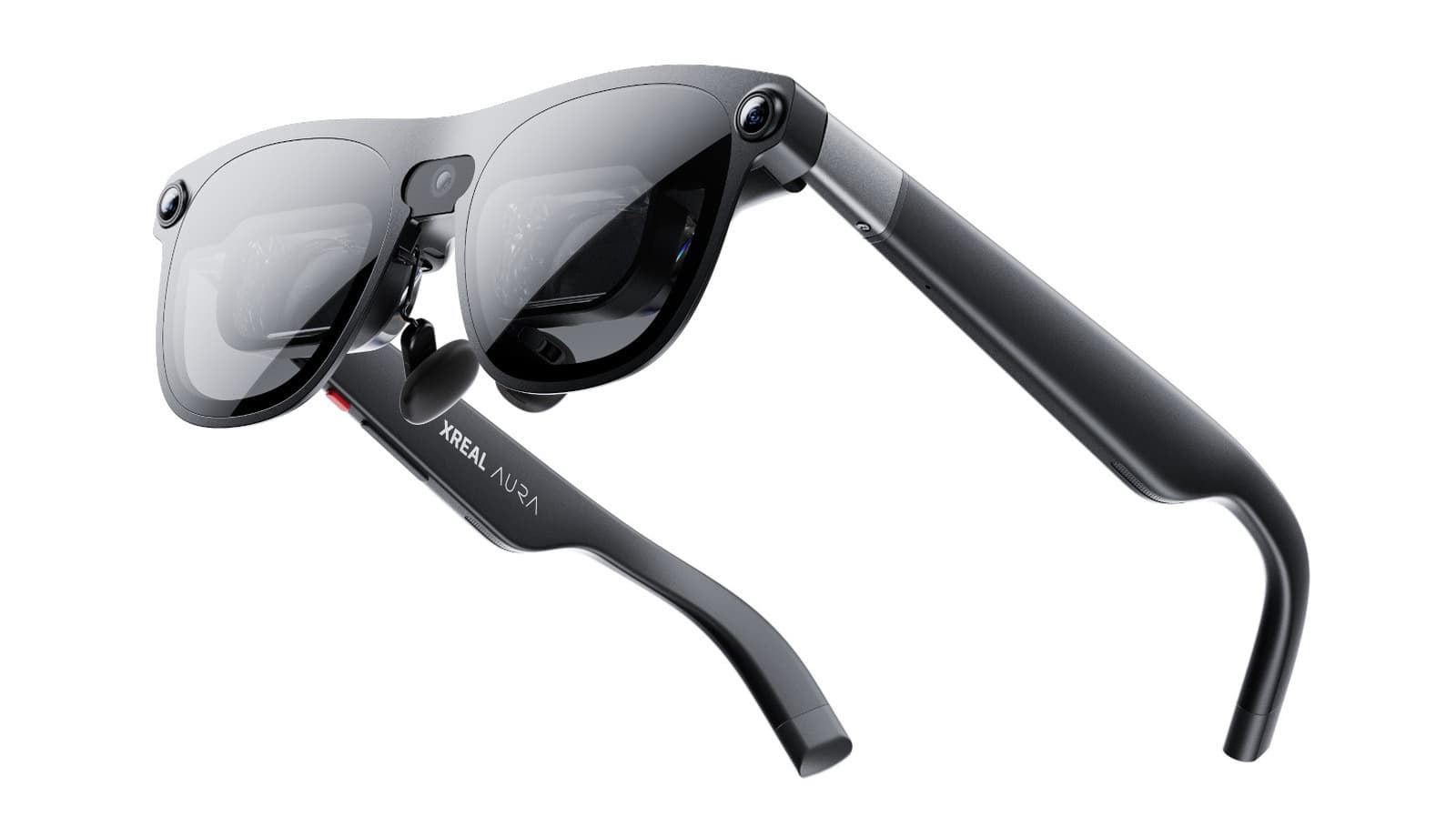
On November 11, 2026, Xreal expanded the commercial rollout of its flagship 1 Pro+ AR glasses to Japan, pricing the display wearable at 84,980 yen (roughly $538). The regional debut completes a worldwide launch cycle that kicked off in mid-October, when the wearable hit the United States for $599 and European markets for 649 euros. While Xreal is pitching the new SKU as an essential upgrade for mobile viewing, one of the product's primary selling points is not actually exclusive to the new hardware.
On paper, the marketing blitz for the 1 Pro+ centers on two head-turning numbers: an updated REAL 3D engine that doubles 2D-to-3D video conversion speeds from 30 frames per second to 60fps, and upgraded dual Sony 0.55-inch Micro-OLED displays capable of reaching 1,200 nits of peak brightness. That brightness figure marks a 71 percent jump over the 700 nits found on the 2025 One Pro, giving the new glasses much-needed headroom against ambient light.
However, as techtimes.com reports, the frame-rate upgrade does not require a hardware purchase. Journalist Brandi Henkel highlights that Xreal will deliver the exact same 60fps 3D conversion capability to owners of the Xreal One, One Pro, and 1S via a free firmware update rolling out in November 2026. Users simply need to connect their existing glasses to a computer and run the tool through Xreal's official web portal.
This is not uncharted territory for the brand. Xreal previously added the baseline REAL 3D conversion engine to its original One line via software updates earlier in the year. Still, packaging a feature that will be pushed to older units as a marquee bullet point on the retail box of a $599 headset cuts both ways. As techtimes.com noted, reviewers have pointed out that anyone with a One or One Pro has no technical need to purchase the new model for 3D functionality, leaving the brighter panel and AI HDR processing as the sole hardware incentives.
What this means: If you already own a pair of One or One Pro glasses, do not rush to upgrade. The software parity makes the 1 Pro+ an unnecessary expense if spatial media conversion was your main target. That said, the jump to 1,200 nits is not trivial. Birdbath optics naturally suffer from light loss, and pushing past 1,000 nits makes everyday tethered computing far more usable on trains, by windows, or in bright offices without needing snap-on blackout shades.
Xreal's decision to maintain backward compatibility via firmware is a welcome stance against premature obsolescence, especially in a smart glasses sector where competitors often gate minor software perks behind full hardware refreshes. For new buyers jumping into the ecosystem, the 1 Pro+ represents the best display specs Xreal currently offers, but existing fans can safely pocket their cash and wait for the download link.
Interactive guide: prices, displays, cameras, battery.
Share this story