Analysis · Meta
Why the Smart Glasses Boom Is Winning Without Displays
Shipments skyrocketed 263% in early 2026, but screens remain an afterthought. Meta dominates the display-free tier while headsets continue to lose ground.

Market data published on November 12, 2026, confirms what early adopters have sensed on city streets: smart eyewear is exploding, but visual head-up displays are not leading the charge. According to market data compiled by technology.org via Counterpoint Research, global AI glasses shipments surged 263 percent year-over-year during the first half of 2026. Strikingly, 96 percent of those hardware shipments completely lacked an integrated display, proving that audio and camera sensor packages remain the primary volume drivers for wearable computing.
The broader extended-reality landscape has flipped dramatically as a result. Citing research from IDC, technology.org notes that glasses accounted for 84.6 percent of all XR hardware shipments in the second quarter of 2026. Bulky mixed-reality headsets collapsed to just 15.4 percent of the market, dropping steeply from 27.1 percent during the same quarter a year earlier. Everyday consumer eyewear with lightweight hardware profiles has officially displaced immersive goggles as the dominant hardware paradigm in spatial computing.
Meta holds an almost monopolistic grip over the display-free category. technology.org highlights that Meta commanded 94 percent of display-less AI glasses sales during the tracked period. To maintain momentum, Meta expanded its lineup across distinct price tiers: the camera-equipped Ray-Ban Meta Gen 3 retails starting at $449, while an entry-level audio-only model cuts the camera sensors entirely for a lower $349 baseline. Meanwhile, Meta rolled out the visual Ray-Ban Display to European markets including Germany, France, and Italy on October 13, priced at a premium €899.
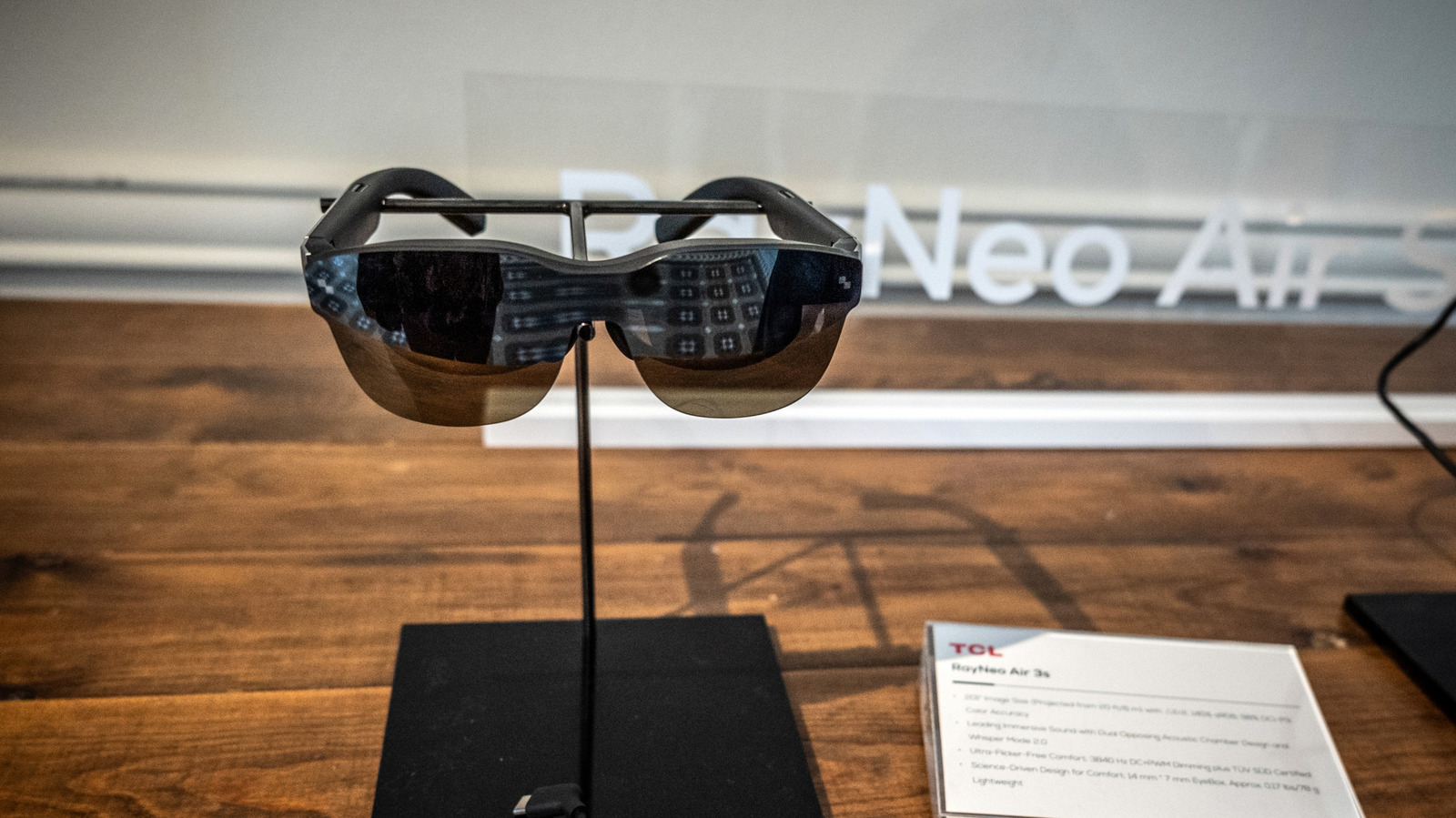
Where integrated screens do exist, the market remains fractured. Counterpoint Research data cited by technology.org indicates that Rokid captured first place in the display segment with 41 percent share, holding off Meta's 37 percent footprint. Unlike the audio-camera market where Meta is unchallenged, micro-display eyewear remains a fiercely contested battleground between optical innovators and tech giants.
Yet frictionless adoption brings intense regulatory friction. While Meta has refrained from launching the facial recognition capabilities originally reported by The New York Times, public wariness over passive video capture continues to escalate. In October, major Dutch optician chain Hans Anders suspended sales of Ray-Ban Meta glasses across retail locations in the Netherlands and Belgium due to consumer privacy complaints.
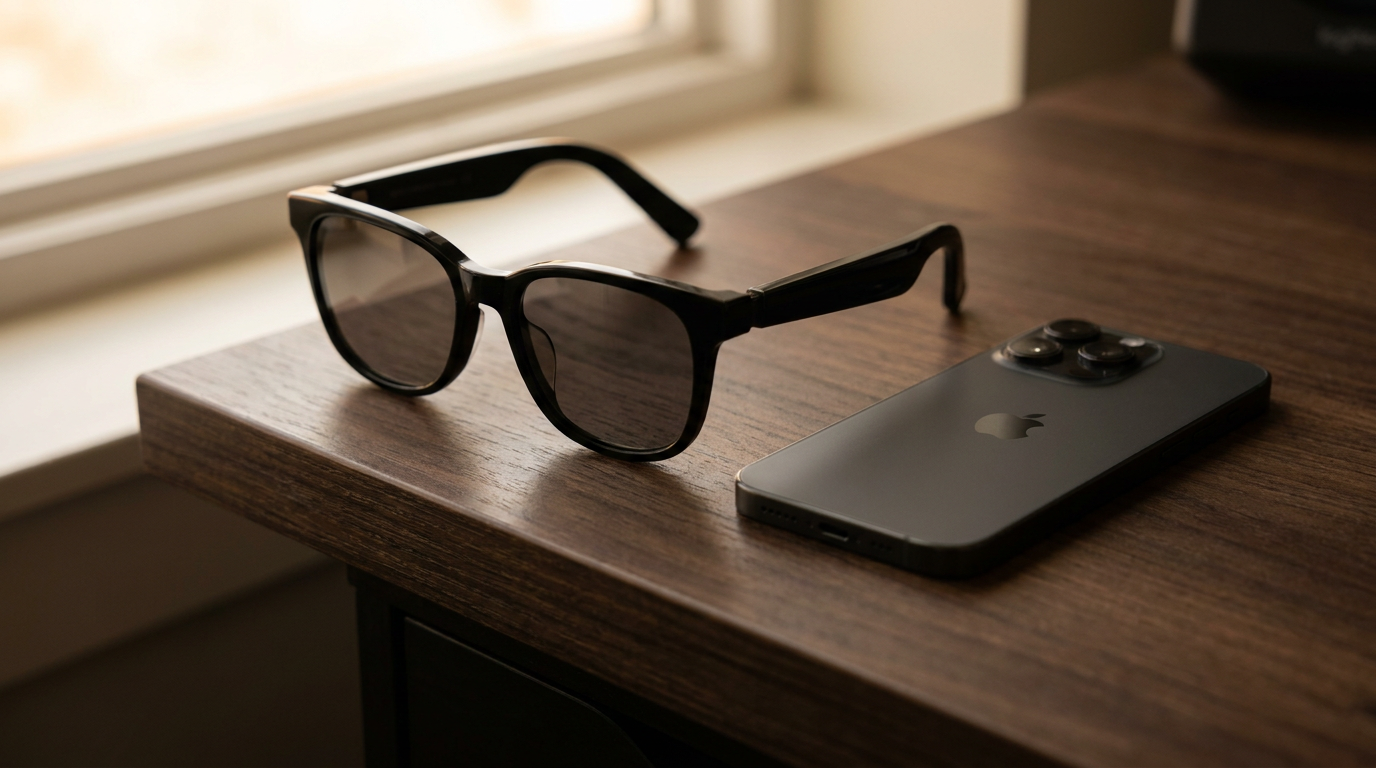
What this means: Mainstream buyers do not want a complex visual overlay floating over their eyes all day. They want stylish, lightweight sunglasses that take hands-free phone calls, stream podcasts, shoot POV clips, and talk to a voice assistant. Display optics inevitably add bulk, thermal constraints, and severe battery penalties. Until waveguide displays match the featherweight profile and sub-$400 price of traditional frames, the mass-market battle will be won with microphones, speakers, and subtle industrial design.
How it compares: The sharp divide between display-less frames at $349 to $449 and visual AR glasses pushing past €899 shows why volume is concentrating at the bottom. Headset makers like Apple and Sony built astonishing visual computing platforms that consumers find isolating and heavy. By ditching screens entirely, Meta and its optical partners found the elusive form factor that regular shoppers will actually wear every single day.
Interactive guide: prices, displays, cameras, battery.
Share this story