Reviews · Viture
Viture Pro 2 Arrives, Challenges XREAL in Entry-Level AR Market
With a lower price tag, built-in diopters, and a 120Hz micro-OLED display, Viture's second-generation wearable display makes a serious push for the budget AR crown.
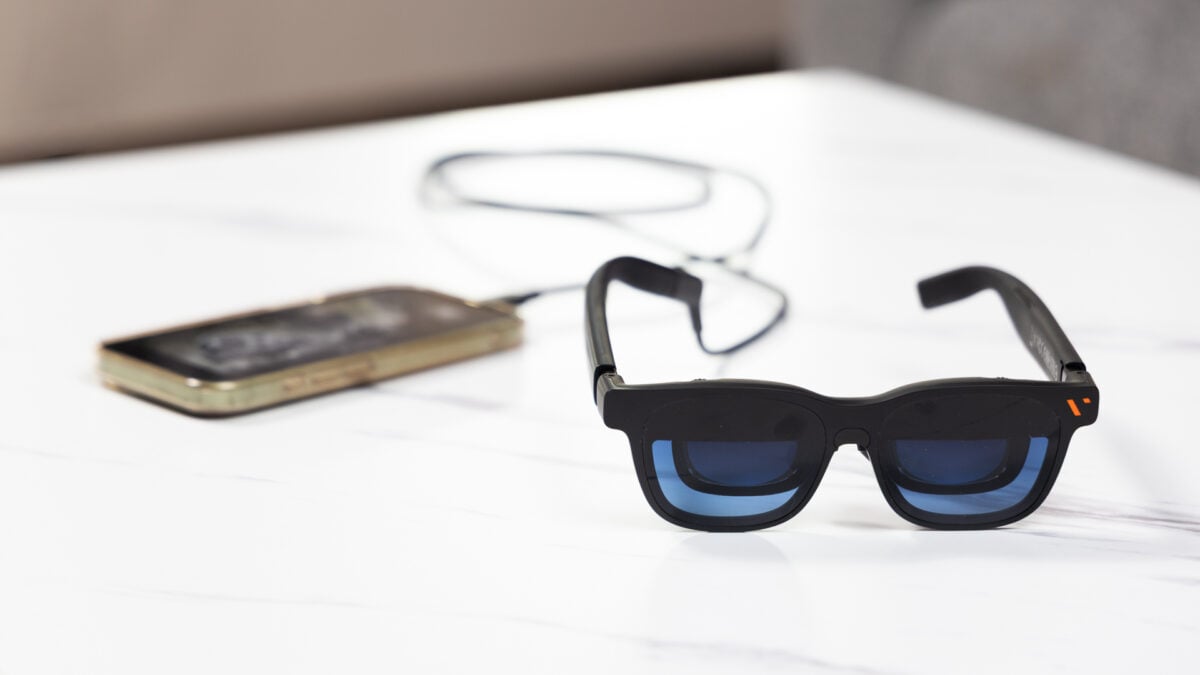
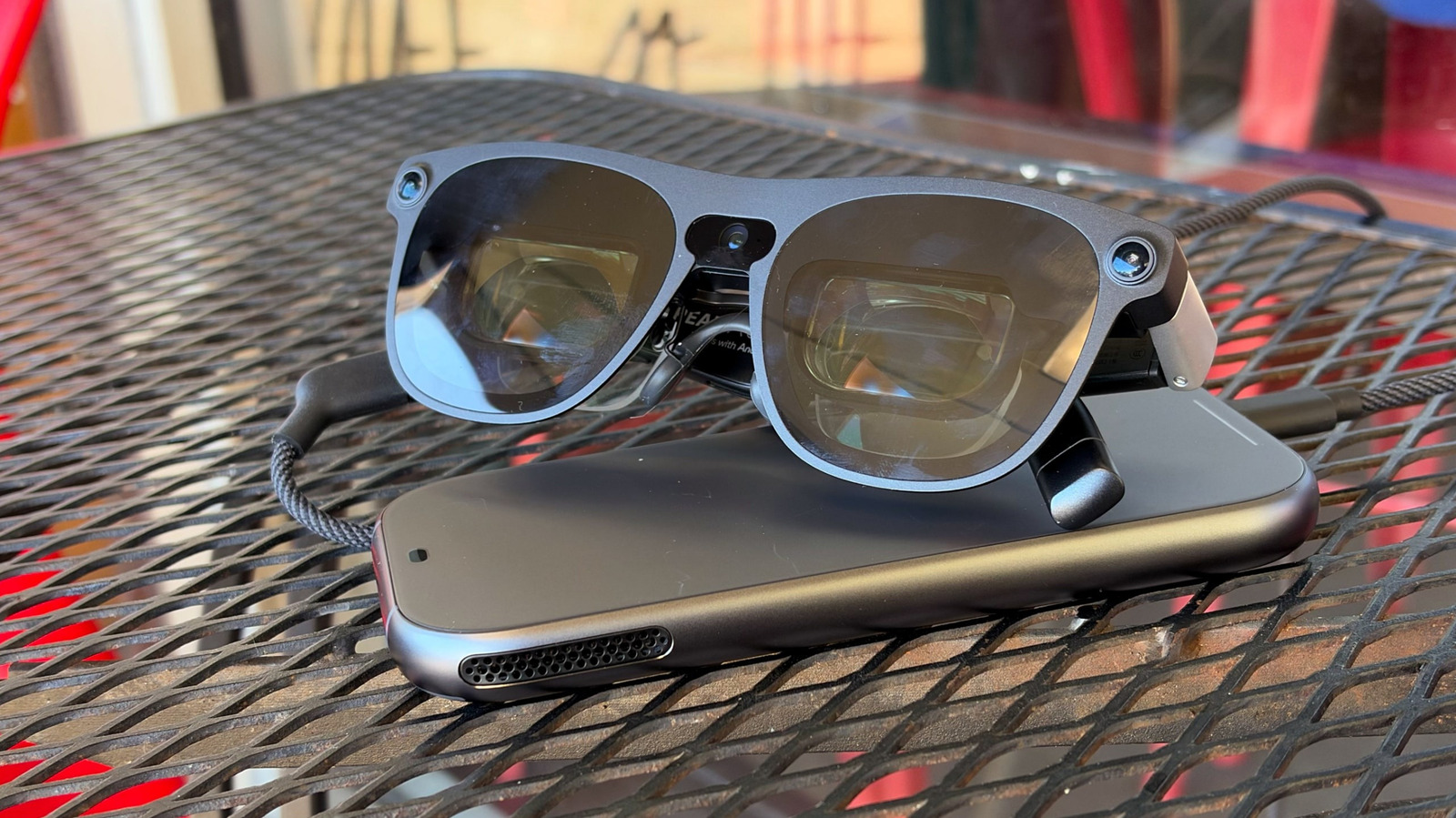
On August 15, 2026, Viture launched its latest tethered smart glasses, the Viture Pro 2, marking an aggressive price recalibration in the entry-level spatial display market. At an MSRP of $299, the new frames undercut the original Viture Pro model by $150, landing squarely in competition with a fresh crop of affordable personal viewing wearables.
Reviewing the hardware for Gizmodo, reporter James Pero highlighted that the lower barrier to entry does not appear to bring major visual compromises. The glasses feature a 1080p micro-OLED panel running at a 120Hz refresh rate, alongside a peak brightness of 1,600 nits. Viture credits its proprietary UltraClarity 3.0 optical configuration for curbing edge blur and color fringing, two persistent headaches in compact birdbath and waveguide optics.
According to Gizmodo's hands-on testing, those optical improvements translate into a visibly crisper image than rival budget models. Pero reported that the Pro 2 delivers greater perceived sharpness than both the competing a01+ from X by Xreal and RayNeo's Air 4 Pro. While the Viture matches the 1,600-nit luminance of the a01+, it clearly outshines the Air 4 Pro, which tops out at 1,200 nits. The inclusion of smooth 120Hz output also makes the glasses a compelling option for handheld gaming on devices like the Steam Deck or Nintendo Switch.
Video on Instagram
Usability in daily wear comes with distinct tradeoffs. On the ergonomic side, Viture kept built-in diopter dials, allowing nearsighted wearers to dial in focus without purchasing custom prescription clip-ins. However, friction remains on the connectivity side. Gizmodo noted that unlocking the glasses' full functionality with an iPhone still requires an expensive proprietary adapter, a long-standing annoyance in Viture's accessory ecosystem that adds unexpected costs for Apple users.
The broader category of wearable displays is undergoing a rapid pricing reset. For years, tethered micro-OLED glasses hovered between $400 and $500, positioning them as luxury media viewers for frequent flyers and tech enthusiasts. By bringing high-refresh panels, 1,600-nit brightness, and dial-in diopters down to $299, manufacturers are turning tethered frames into mainstream external monitors for phones, laptops, and mobile gaming rigs.
Our take: The Viture Pro 2 demonstrates how commoditized micro-OLED optics have become, and that is great news for consumers. While standalone AI glasses dominate headlines with onboard cameras and multimodal audio, tethered video glasses still offer the highest visual fidelity for consuming media on the go. If Viture can eventually ditch its clunky proprietary dongles and streamline direct USB-C DisplayPort compliance across all ecosystems, the company will have a category-defining value play.
Interactive guide: prices, displays, cameras, battery.
Share this story