News · Meta
US Senators Demand Answers from Meta Over AI Glasses Privacy Risks
Lawmakers Ron Wyden and Edward Markey are pressing Mark Zuckerberg on bystander safety and contractor access to recorded footage following a string of privacy controversies.

On October 30, 2026, Engadget reported that US Senators Ron Wyden and Edward Markey launched an inquiry into Meta over serious privacy and safety risks tied to its AI smart glasses. In a sharply worded letter addressed to Meta chief executive Mark Zuckerberg, the lawmakers demanded explanations regarding bystander surveillance, data handling, and hardware safeguards, setting a response deadline of November 26, 2026.
According to Engadget, the senators pointed to several documented abuses of the eyewear. Their inquiry referenced investigations by 404 Media and the BBC detailing how the camera glasses have been used to surreptitiously record women in public spaces. The lawmakers also questioned allegations from pending litigation claiming Meta contractors reviewed sensitive footage captured by the frames, including users in private settings. Beyond those points, Engadget noted that users reported unauthorized audio recording to Android Authority after a recent update, while The Guardian earlier revealed law enforcement surveillance concerns.
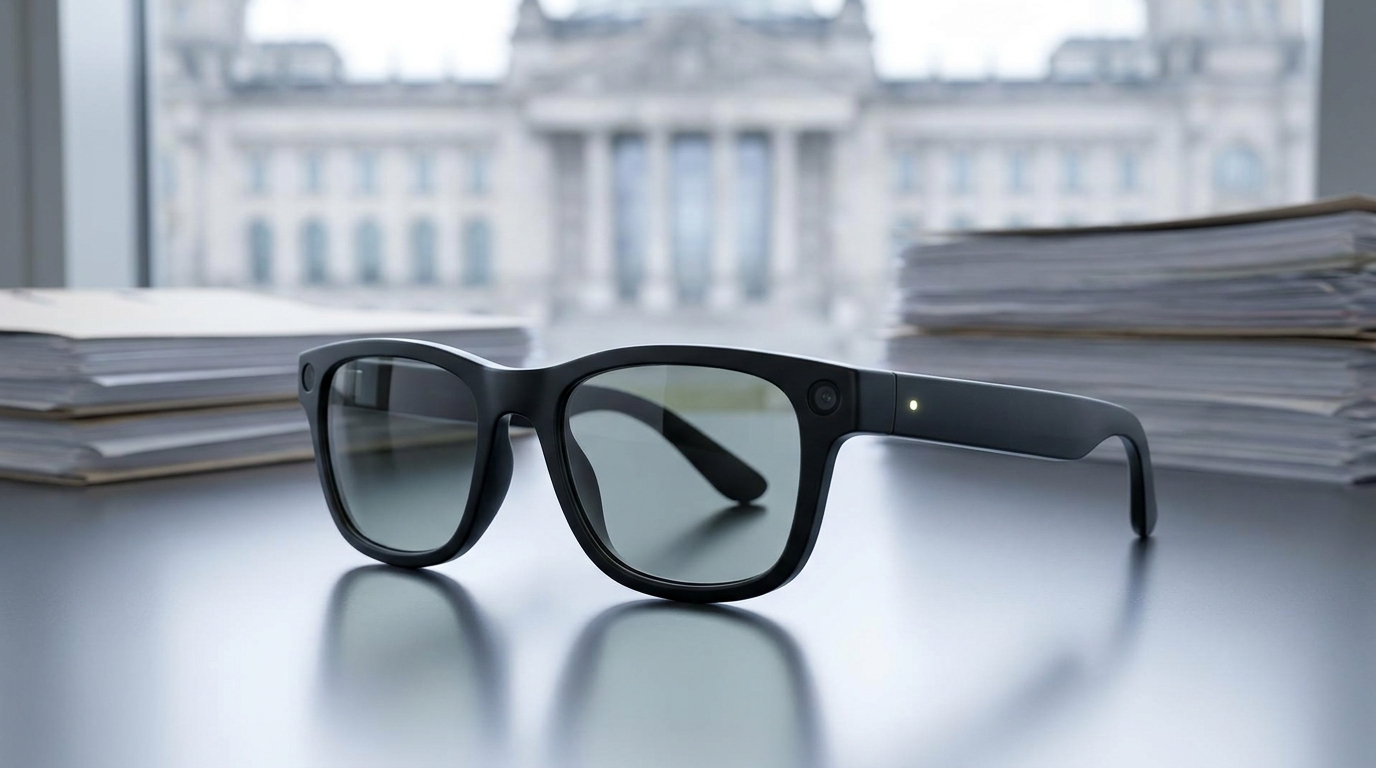
The Senate inquiry presses Meta on specific technical mechanics, including whether the device blurs faces and license plates during AI queries, how easily the recording LED indicator can be bypassed or tampered with, and what protocols govern employee access to imagery. Wyden and Markey also asked Meta to verify whether it completed human rights and safety impact assessments prior to releasing the eyewear commercially.
Our take: This congressional scrutiny was inevitable. As smart glasses gain widespread consumer adoption, subtle recording indicators are proving inadequate against public backlash. Meta has pushed head-mounted AI into the mainstream faster than existing social norms and local laws can adapt. If hardware manufacturers want to keep face computers from facing outright bans in public and private venues, they will need far more robust, tamper-proof transparency features than a solitary blinking LED.
Interactive guide — prices, displays, cameras, battery.
Share this story