Analysis · Multi-brand
The Smart Eyewear Plateau: Why Nobody Is Solving the Battery Problem
Silicon Valley is chasing Hollywood stars, spatial operating systems, and surveillance optics. Yet the real existential crisis quietly choking smart glasses remains unsolved: battery endurance.
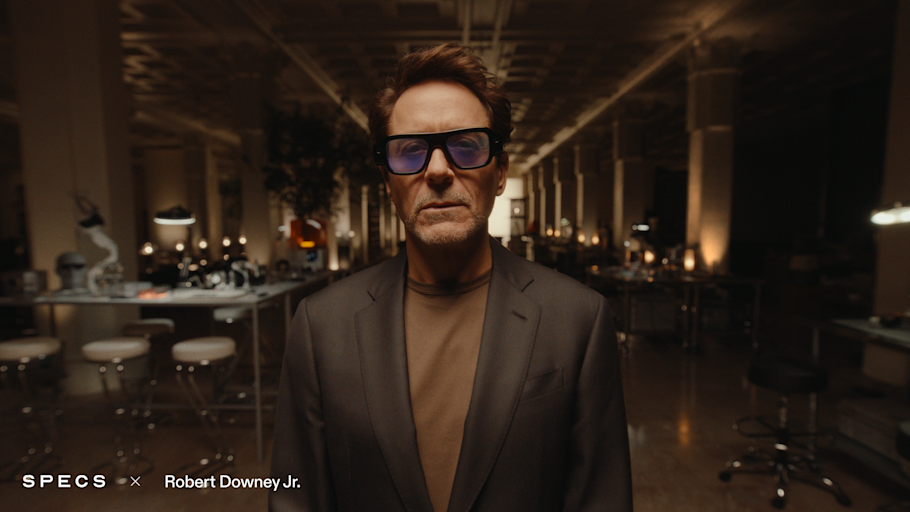
Snap just signed Robert Downey Jr. to cosplay Tony Stark for its AR Specs, Google is readying Android XR to spark an open hardware war, and Meta recently sponsored a retrospective at the Computer History Museum celebrating six decades of head-mounted computing. Yet behind the Hollywood gloss and corporate self-congratulation, the connected eyewear category is hitting a physical brick wall. EssilorLuxottica's latest financial earnings showed wearable hardware growth tumbling from nearly 100 percent to a modest 20 percent. The industry wants you to believe this sudden brake tap is merely a temporary pause while consumers digest early novelty.
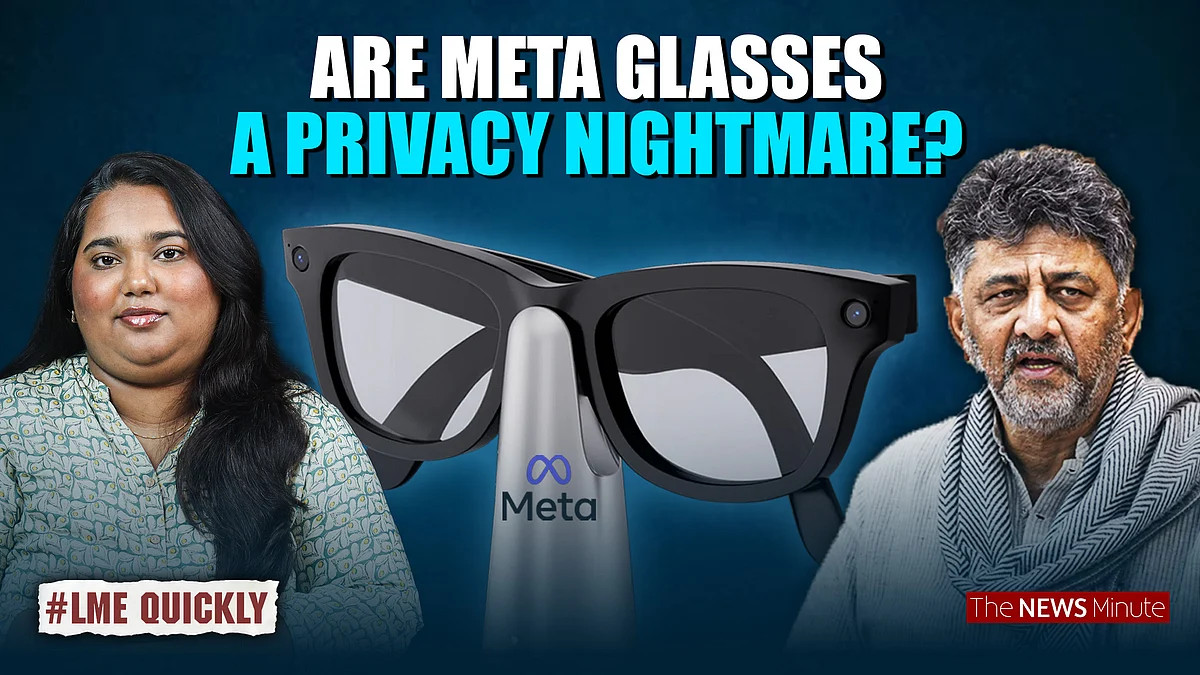
Pundits have rushed to pin the slowdown on privacy friction, pointing to viral tips advising TikTok users to blast Disney songs to trigger automated copyright bots against unsolicited recording. Others cite high-profile political scandals, such as Indian leader DK Shivakumar raising alarms after suspecting an industrialist of running a covert recording sting during private party meetings with Meta frames. But privacy backlash is only the most sensational symptom of a much deeper malaise. The dirty secret Silicon Valley executives refuse to address on stage is that smart glasses have an intractable power problem, and almost nobody is building serious hardware solutions to fix it.
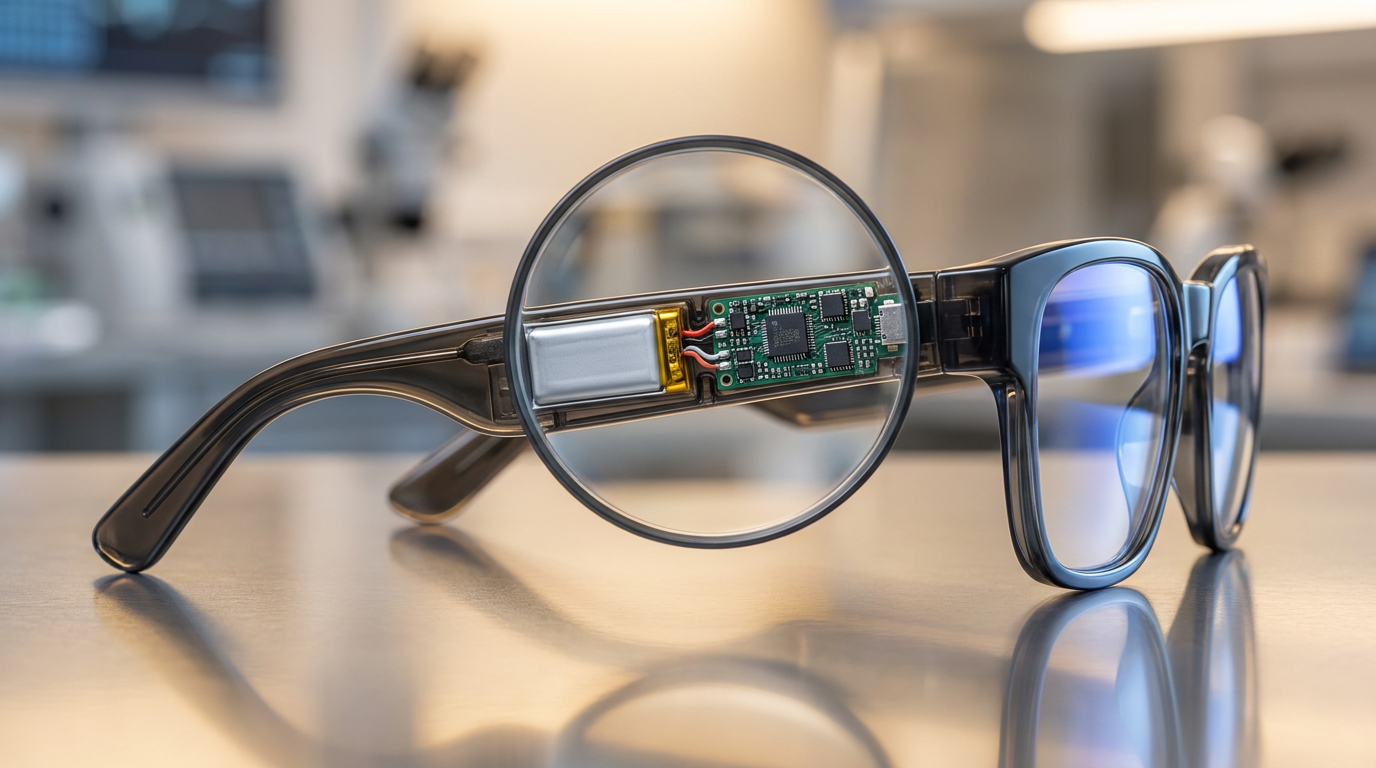
Consider the brutal physical constraints governing the human face. Eyewear cannot exceed 50 grams without causing severe bridge fatigue, nor can frame temples swell into chunky plastic bricks without destroying everyday aesthetics. Hardware engineers are trapped inside a microscopic volume envelope, forced to cram tiny 150 to 200 milliamp-hour lithium cells into acetate arms alongside Bluetooth radios, speakers, microphones, and camera sensors. That microscopic reservoir must somehow power advanced digital signal processing and continuous wireless handshakes. In practice, the resulting battery life is an embarrassment to modern computing.
When you introduce real-world visual AI into the equation, that battery budget evaporates within minutes. Consider assistive triumphs like Ian Torrie, the UK man who regained his independence using Meta glasses to stream live environment feeds to remote helpers. These use cases show the transformative potential of connected eyewear. However, continuous video streaming and real-time network uplink drain a standard frame in less than an hour, transforming high-tech sight aids into hot, dead plastic before lunch. The ultimate promise of ambient computing collapses when the hardware requires three charging breaks a day.
Meta's recent strategic adjustments demonstrate an industry scrambling around the edges of the power equation rather than solving it. Its upcoming camera-free Ray-Ban Meta Audio frames strip the optics entirely, yet demand a steeper $349 price tag. While omitting image sensors lowers power consumption, charging consumers luxury rates for a device that does fundamentally less is an awkward gamble. Meta is hoping audio-only functionality will stretch battery life just enough to pass muster, but it feels like an admission of defeat rather than an architectural breakthrough.
Snap is pursuing the opposite extreme with equal recklessness. Hiring Robert Downey Jr. as Chief Customer Experience Officer is designed to project effortless superhero confidence onto standalone augmented reality eyewear. But driving see-through AR displays to competitive outdoor brightness requires massive amounts of power, generating uncomfortable temple heat and draining cells at catastrophic rates. You can recruit the entire Marvel Cinematic Universe for your marketing collateral, but charisma cannot bend the fundamental laws of electrochemistry.
Now Google is preparing to deploy Android XR as a universal software spine, intending to commoditize smart glasses hardware just as original Android did for mobile phones. The ambition to bring stylistic diversity and carrier buy-in across multiple frame makers is logical, but software cannot magic away hardware realities. Android has spent two decades earning a reputation for background resource overhead and battery drain. If Android XR lands on connected frames without extreme power discipline, it will unleash a wave of multi-vendor devices that drop dead ninety minutes after leaving their cases.
While the major players indulge in theatrical posturing, a few smaller outfits are quietly confronting the power reality. Minimalist innovators like Even Realities and Brilliant Labs have rejected full-color spatial fantasies, relying instead on ultra-low-power heads-up displays that deliver discrete text and monocle prompts. By stripping away heavy compute tasks and constant sensor polling, HUD-only frames deliver actual multi-day utility. They recognize that a smart frame displaying twelve hours of reliable contextual text is infinitely more useful than an immersive visor that dies halfway through a morning commute.
On the hardware side, the newly announced INMO GO3 is one of the rare devices directly addressing the battery bottleneck. By pairing dual 1,500-nit MicroLEDs and Google Gemini AI with a modular, interchangeable battery system, INMO acknowledges what western giants refuse to admit. If current energy densities cannot support full-day ambient computing inside a sleek silhouette, the battery must become hot-swappable and modular. It is a pragmatic compromise that prioritizes continuous operation over marketing sleekness.
Relying on modular cells or bulky charging pucks is an awkward stopgap, but it is far more honest than pretending solid-state breakthroughs are arriving next quarter. Smart eyewear is not like wireless earbuds. If your earbuds die after four hours of listening, you can drop them into a case and put them in your pocket. If your smart glasses die while you are driving or sitting in an office, you are stuck wearing an inert, heavy, non-functional frame that serves no purpose other than holding your prescription lenses.
The smart eyewear industry cannot survive on Hollywood spokespeople, Computer History Museum exhibitions, and vague promises of open operating systems. Consumers and enterprise buyers alike are growing immune to the novelty of face computers that demand constant coddling and mid-day recharges. Until manufacturers prioritize real-world thermal efficiency, power harvesting, and battery architecture, smart glasses will remain tethered to the margins as fragile, expensive curiosities.
Interactive guide — prices, displays, cameras, battery.
Share this story