News · Meta
Sing a Disney song to stop smart glasses filming you? Why the viral copyright hack falls short
A viral tip tells people who suspect they are being filmed with Ray-Ban Meta glasses to play Disney music so platforms' copyright filters block the video. It says more about consent than about copyright.
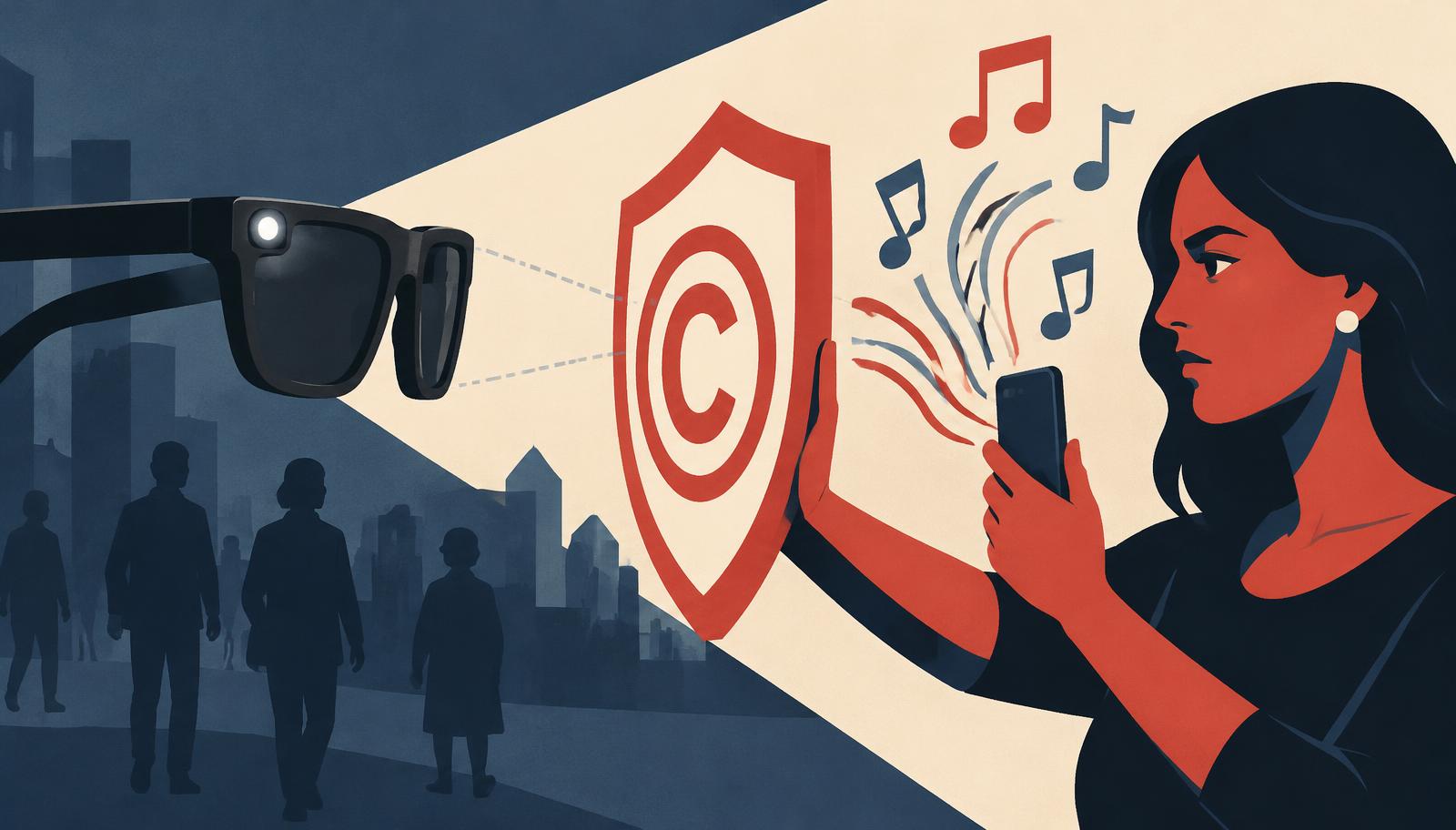
A tip has been spreading on X, TikTok, Threads and LinkedIn since late July 2026: if you think someone is secretly filming you with smart glasses, start playing or singing a Disney song. The idea is that if the clip is later uploaded, the copyright detection systems of YouTube, TikTok or Instagram will recognise the music and mute, restrict or remove the video before it spreads.
The post that made it go viral, published on X on July 25, 2026 by user @heavensbvnny, gathered more than 212,000 likes: "Women are being advised to play Disney songs when they notice a man is recording them with Meta glasses without consent because Disney music is more protected than women." Two days later, another user, Maryam (@hell_line0), summed up the mood: copyright law is enforced faster than women's safety.
CNN picked up the story on August 6, 2026, in a report by Ivana Scatola. Meta told CNN it has "built privacy" into its AI smart glasses and that it takes filming without consent very seriously. French marketing outlet Creapills described the phenomenon as an ironic twist: a brand that spent decades building a defence of its intellectual property to protect revenue sees that same system repurposed as a privacy shield.
The tactic relies on a real mechanism. YouTube's Content ID compares uploads against audio and video supplied by rights holders, and the owner then chooses to monetise, track or block the matching video. But as Mashable pointed out, YouTube says monetisation is the most common policy applied to music claims. In many cases the video stays online, with the ad revenue simply going to the label. TikTok, for its part, tends to mute the offending audio rather than remove the clip.
There are also easy workarounds. The person filming can cut the sound, replace it with another track, trim the edit or isolate the voices. And the original file stays on the glasses and on the paired phone anyway. At best, Disney music adds friction to the upload. It is not a barrier.
Video: Meta on YouTube
The trick is not new either. Several US police departments, including in Santa Ana and Beverly Hills, had already played copyrighted songs while being filmed by passers-by or activists, hoping to block the videos from spreading. In several documented cases the videos stayed online, which shows the limits of the method once it is used at scale.
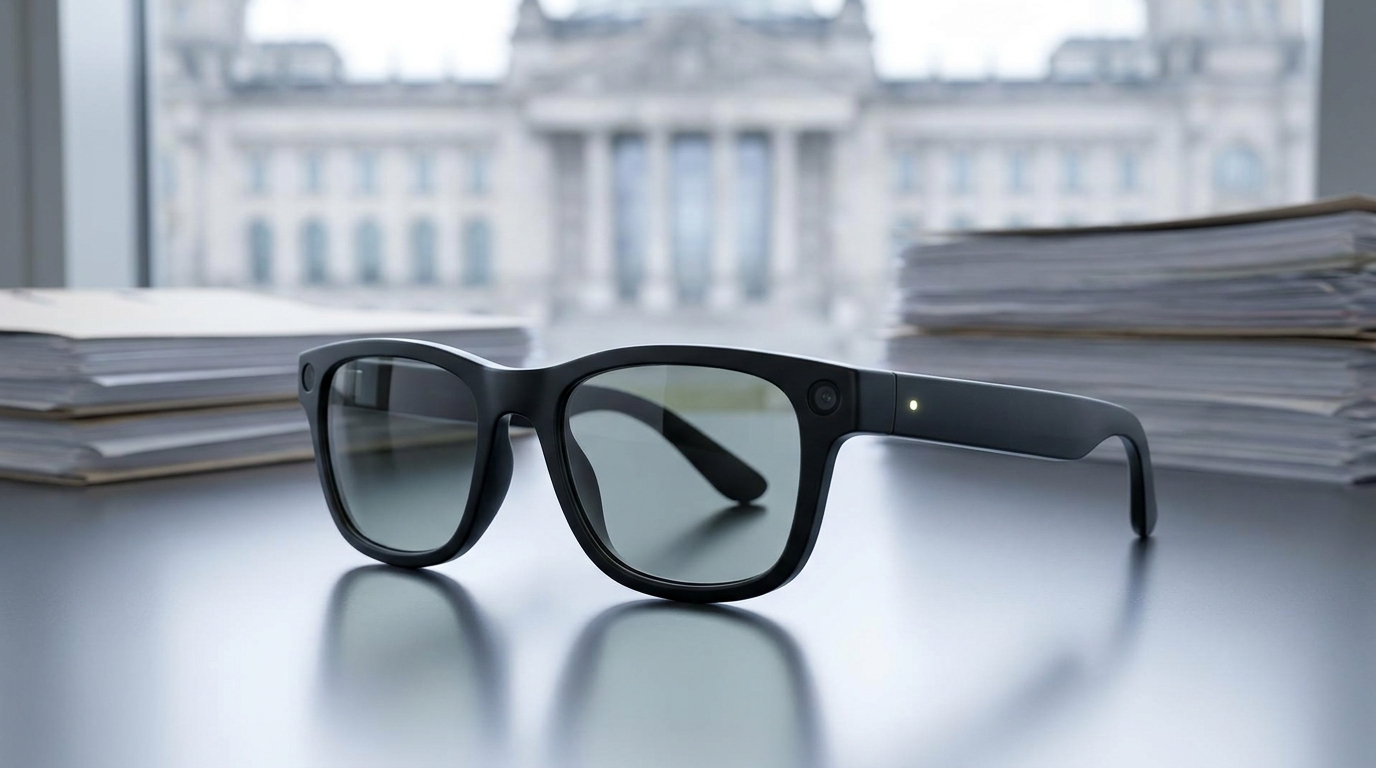
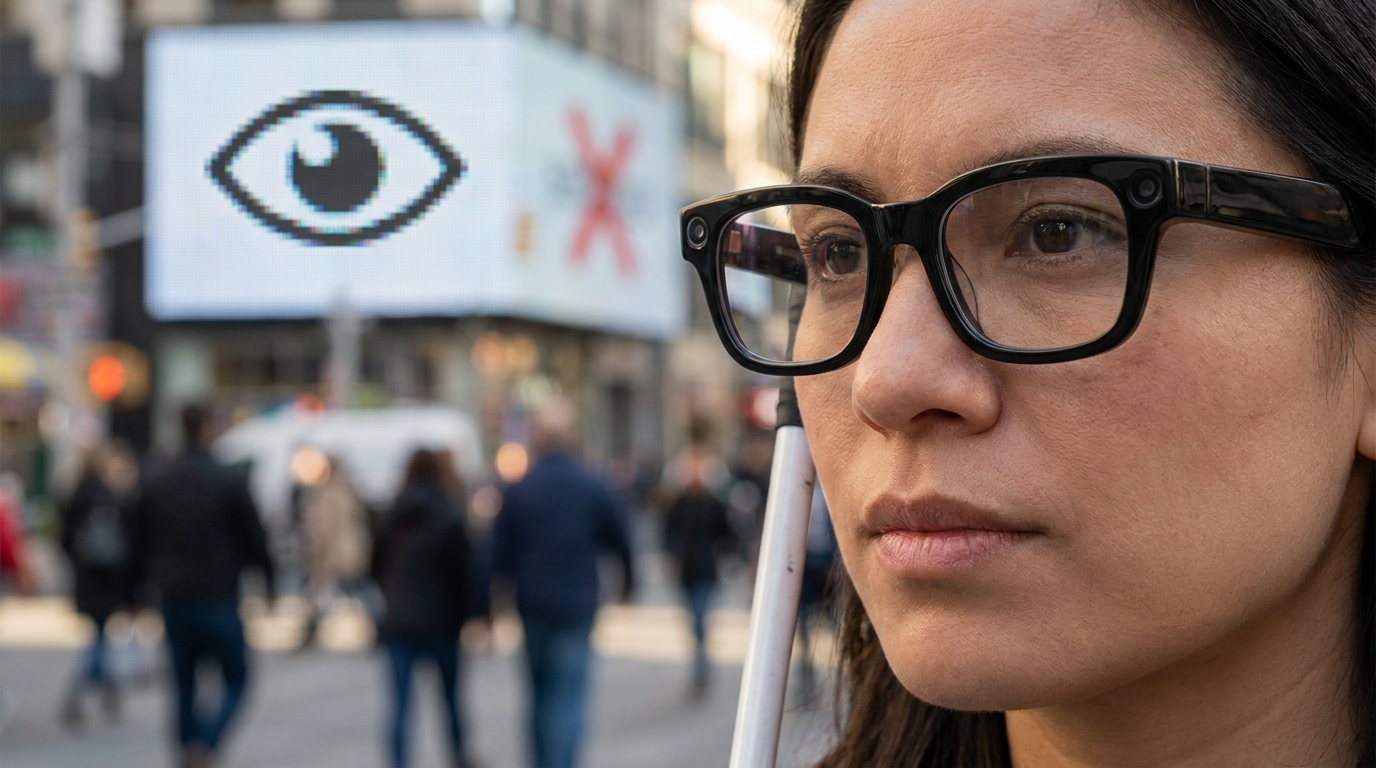
The real issue is consent. Ray-Ban Meta glasses look like ordinary eyewear, and the small white LED that signals recording is often missed or misunderstood by the people being filmed. This has fuelled a wave of accounts built on so-called pickup-line or prank videos shot without the knowledge of women or shop workers. CBS News reported in August the case of Toluwa Omitowoju, who discovered a video of herself filmed with Meta glasses after it passed 200,000 views across platforms. "I had no say," she said.
Meta has responded mostly through moderation after the fact. Instagram head Adam Mosseri said in July that the platform would take down content "taking advantage of people and harassing them, like a lot of these pickup line kind of videos", and Meta disabled some accounts with more than a million followers. But moderation arrives after the upload, once the clip has already been watched, copied and shared.
Since then the privacy pressure on Meta has kept building: a Texas investigation opened in May, a Dutch consumer group lawsuit in October, and reports of Ray-Ban Meta glasses recording without a prompt. At Connect in September, Meta even launched a camera-free Ray-Ban Meta Audio model, a sign that the company knows the camera is the main source of distrust.
Brands are also turning that distrust into marketing. DuckDuckGo and Knockaround sold out their "normal" sunglasses, with no camera, no microphone and no AI, as an anti-surveillance statement. The Disney hack belongs to the same moment: a public that no longer waits for the industry to fix the consent problem, and improvises its own defences, however imperfect.
Source: Creapills ↗
Interactive guide — prices, displays, cameras, battery.
Share this story