Analysis · -
The Camera Trap: Why HUD-Only Eyewear Is Staging a Silent Takeover
Big Tech bet on ambient surveillance and Hollywood AR fantasies, but consumers are rejecting the camera. Minimalist HUDs from Even Realities and Brilliant Labs are proving that quiet text is the real future.
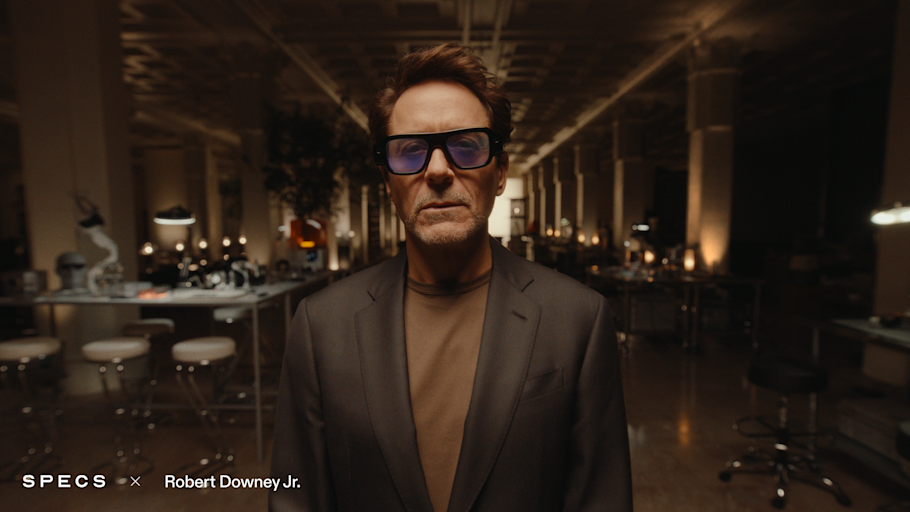
Silicon Valley's obsession with turning your face into an ambient recording rig is officially running out of steam. Snap just hired Robert Downey Jr. to cosplay Tony Stark in promotional campaigns for its augmented reality Specs, while Meta sponsored a historical retrospective at the Computer History Museum to celebrate six decades of spatial headgear. Both tech giants are clinging to the same theatrical illusion: that mainstream consumers are desperate for cinematic, sensor-dense face computers. Outside the boardroom, ordinary people are not marveling at the technology. They are completely exhausted by the surveillance theater.
Look at EssilorLuxottica's latest financial earnings for a glimpse of the real climate. Revenue growth in its wearable hardware division slammed on the brakes, plummeting from nearly 100 percent to a modest 20 percent. While the Ray-Ban Meta frames still captured over 80 percent of AI eyewear shipments earlier this year, the novelty wave has crested. European privacy watchdogs are circling, and consumers are waking up to the uncomfortable reality of what wearing an outward-facing lens actually signals to everyone else in the room.
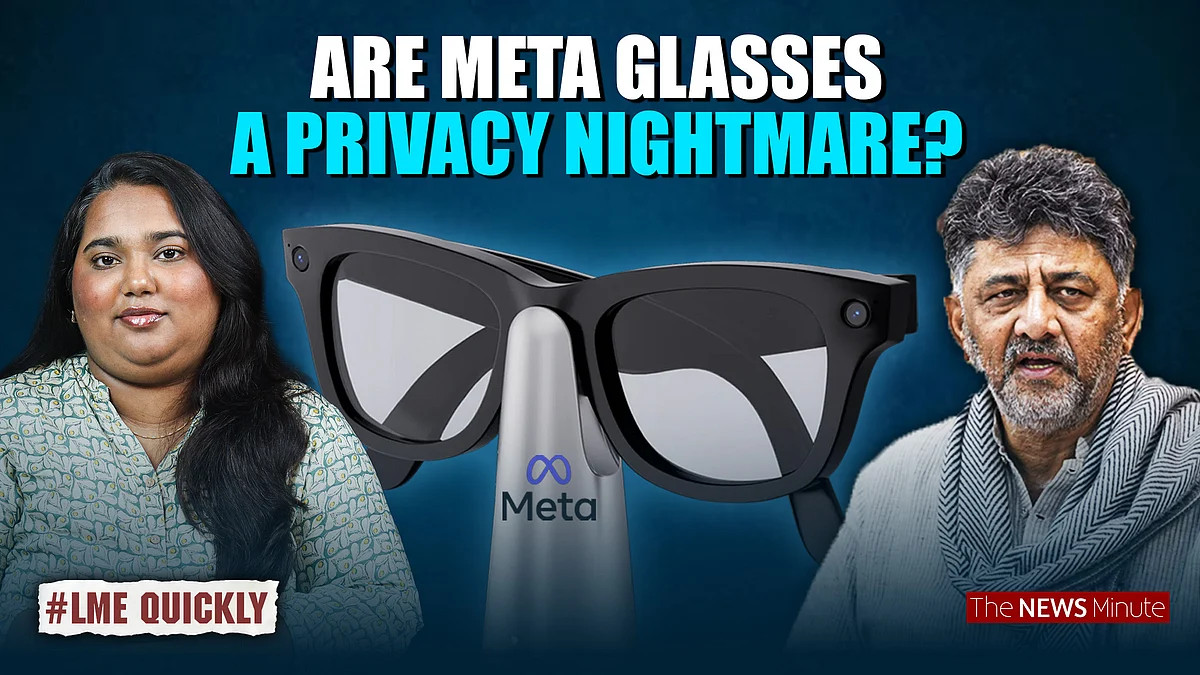
The social friction is no longer theoretical. In India, senior political leader DK Shivakumar recently sounded public alarms over suspected sting operations after a visitor wore Meta smart glasses into private meetings. On social media, a viral defense tactic urges women to play Disney music when they suspect someone is filming them with Ray-Ban Metas, betting that automated copyright bots will take down the video faster than platforms protect personal privacy. When people resort to intellectual property algorithms to defend their personal dignity, your consumer hardware has a profound design flaw.
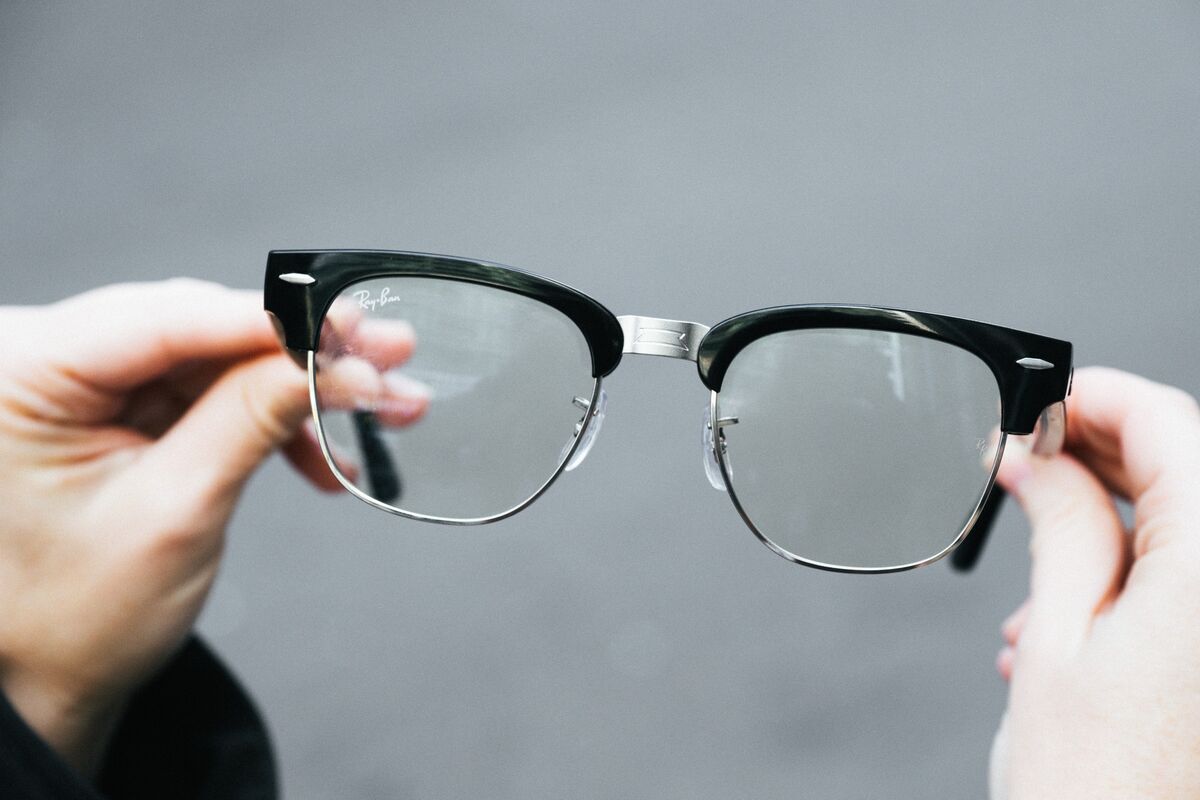
Meta clearly senses the impending wall, yet its response is bafflingly tone-deaf. The company quietly rolled out the Ray-Ban Meta Audio frames, ditching onboard cameras entirely in classic silhouettes like the Clubmaster. Stripping the camera is the right instinct for anyone barred from wearing recording gear in gyms, courtrooms, or boardrooms. Yet asking shoppers to pay $349, an eighty-dollar premium over the camera-equipped models for hardware that does fundamentally less, turns a sensible privacy pivot into an insulting financial penalty.
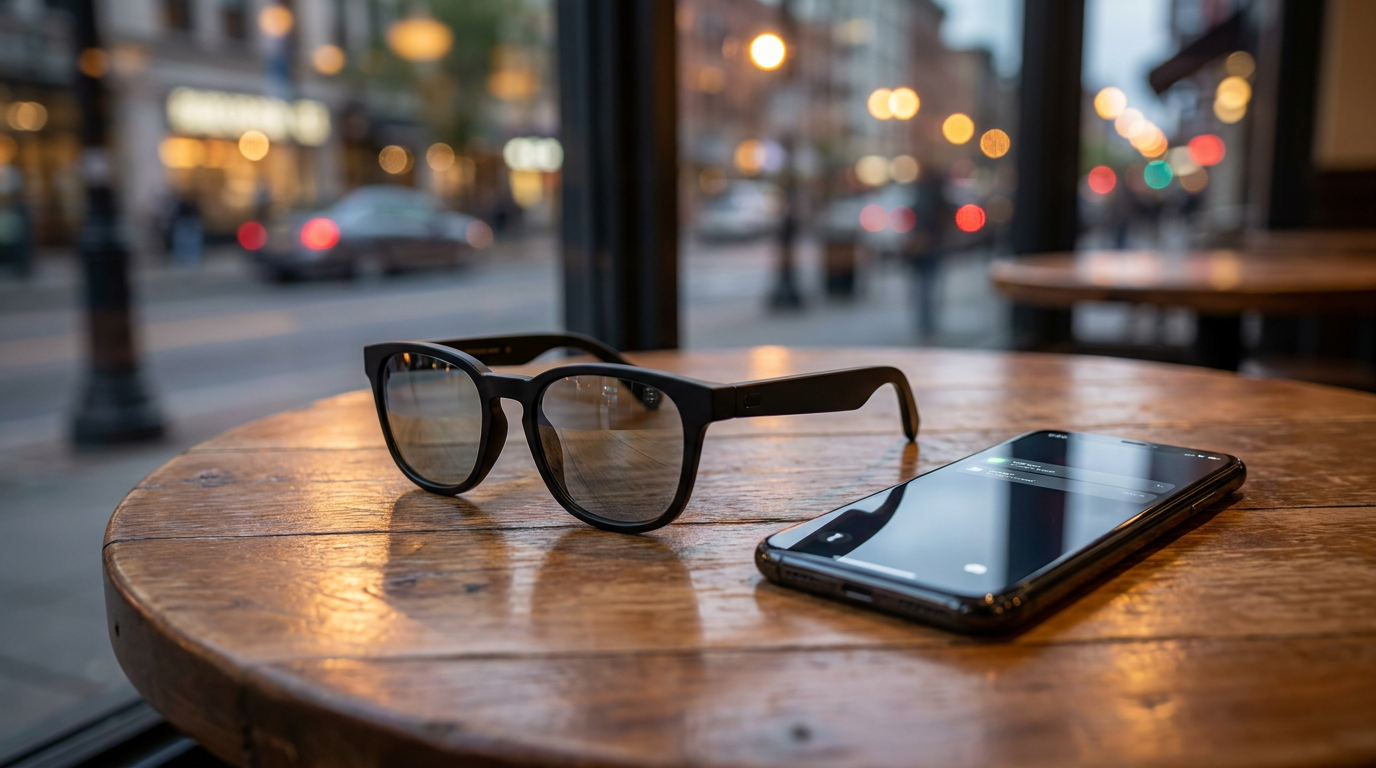
The industry is currently trapped in a false binary cooked up by platform monopolies. Big Tech wants you to believe your only choices are an intrusive, socially toxic camera rig or an overpriced pair of Bluetooth headphones disguised as designer acetate. Both choices miss the entire point of wearing a computer on your face. You do not need to film the world around you to extract genuine utility from wearable intelligence. You just need timely, contextual information delivered directly to your eye without reaching into your pocket.
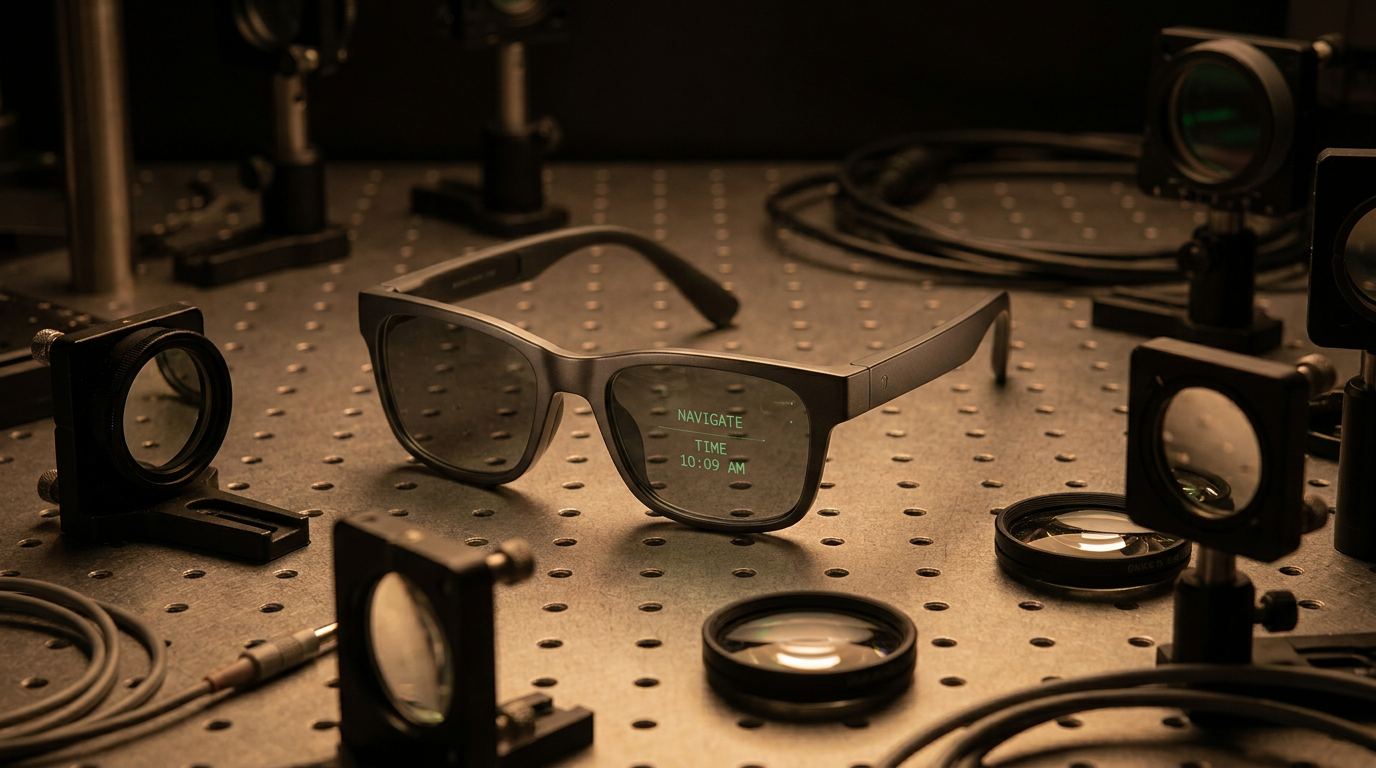
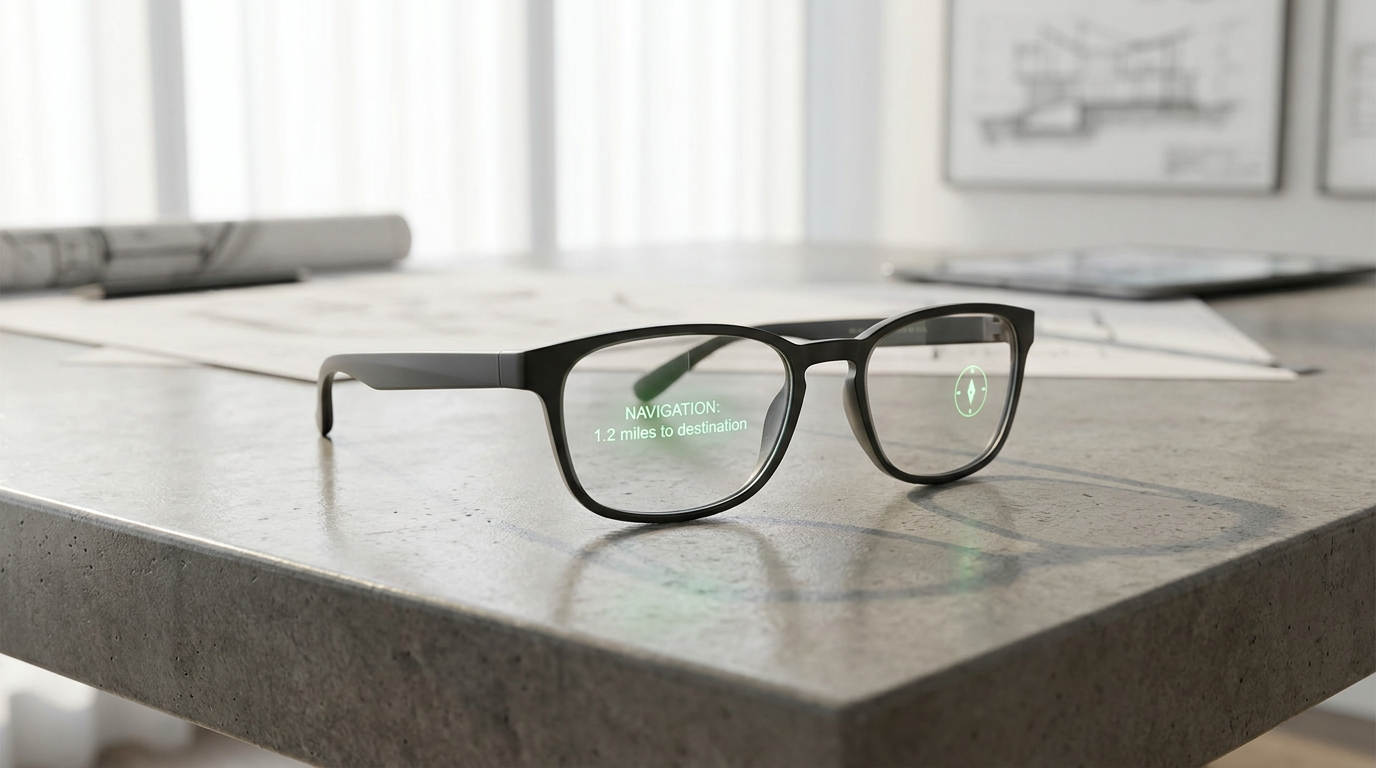
This is why minimalist, HUD-only glasses are quietly staging the most important comeback in consumer electronics. While Menlo Park and Venice Beach pour billions into cinematic spatial computing, hardware upstarts like Even Realities and Brilliant Labs are eating their lunch on practical design. These companies recognize that the ultimate interface is not a recording studio or a full-color holographic video game. It is a quiet, monochrome heads-up display that does its job and then gets out of the way.
Consider the Even Realities G1 and the open-source Brilliant Labs Frame. Neither device mounts an outward-facing camera to spook your dinner companions or trigger corporate espionage inquiries. Instead, they project crisp, floating microLED text directly into your line of sight. They offer instant teleprompting during presentations, real-time foreign language translation, and turn-by-turn navigation arrows that feel like genuine superpowers. They solve real-world cognitive friction without demanding that everyone in your immediate vicinity surrender their right to privacy.
Even hardware players building more ambitious visual systems are reading the writing on the wall. The recently debuted INMO GO3 smart glasses arrived with dual 1,500-nit MicroLED displays and onboard Gemini AI, intentionally emphasizing personal visual output over ambient video capture. When you provide a dedicated visual display, the value equation shifts entirely to the wearer. A heads-up display is an empowering personal tool, whereas an ambient video camera is almost always an imposition on the people standing in front of you.
To be fair, outward-facing cameras have noble, transformative applications in specialized domains. British stroke survivor Ian Torrie recently highlighted how Meta's camera-equipped AI frames restored his daily independence by connecting him to remote visual assistants. Meta's partnership with the American Council of the Blind to distribute smart eyewear to vision-impaired veterans proves that computer vision can be life-changing accessibility technology. But accessibility hardware and everyday lifestyle accessories are entirely different categories, and treating an assistive optic sensor as a casual social camera has poisoned consumer goodwill.
Smart glasses will only cross the chasm into ubiquity when society grants them social permission. An eye-level micro-display that keeps your incoming messages, speaker notes, and navigation prompts private offends absolutely nobody. It looks like traditional eyewear, preserves social trust, and delivers the ambient intelligence Silicon Valley promised without turning every wearer into an amateur paparazzi operative. An outward-facing camera, by contrast, permanently radiates suspicion.
The camera-first face computer was an arrogant Silicon Valley miscalculation born of social media data harvesting. As regulatory crackdowns mount and mainstream sales growth hits a plateau, the market is voting with its wallet. The future of intelligent eyewear does not belong to Robert Downey Jr. peddling superhero delusions or Meta charging luxury markups for castrated audio frames. The future belongs to quiet, camera-free heads-up displays that make you smarter without making your neighbors uncomfortable.
Interactive guide — prices, displays, cameras, battery.
Share this story