Analysis · Android XR
The Android XR Reckoning: Why Google Will Break Meta's Eyewear Monopoly in 12 Months
As Ray-Ban Meta sales stall and consumer backlash against cameras peaks, the smart glasses market is cracking wide open. Android XR is positioned to commoditize the hardware and standardize the ambient display.
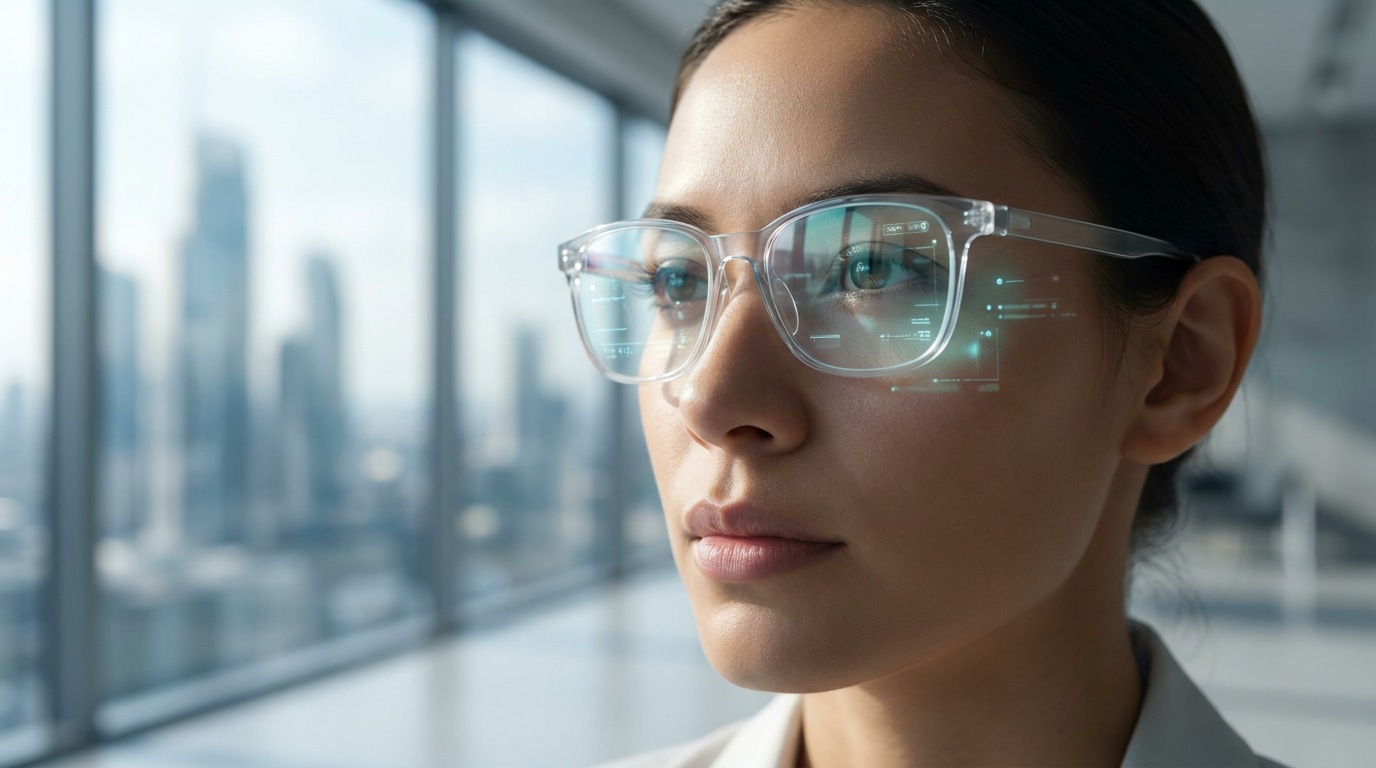
The smart glasses market is hitting a massive wall. Meta and EssilorLuxottica rode early consumer novelty to claim over 80 percent of global shipments, but recent financial ledgers show hardware growth has slammed on the brakes, tumbling from near 100 percent to a modest 20 percent. The industry has reached an impasse where Silicon Valley's sensor-dense ambitions have collided directly with consumer exhaustion.
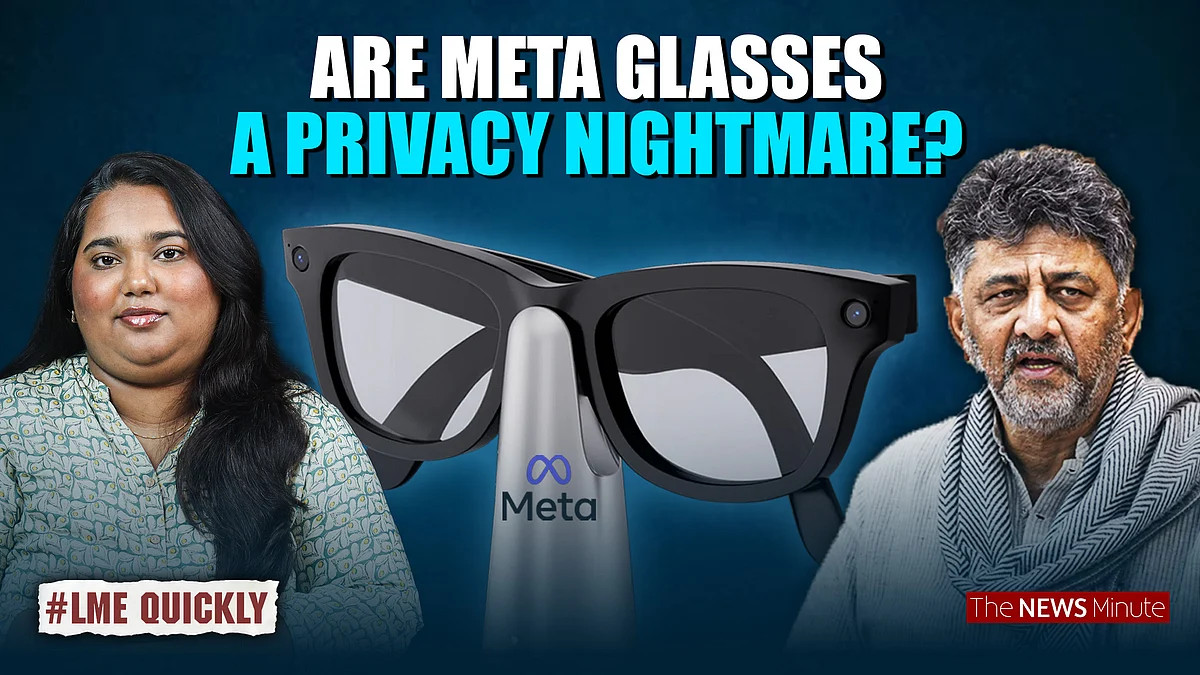
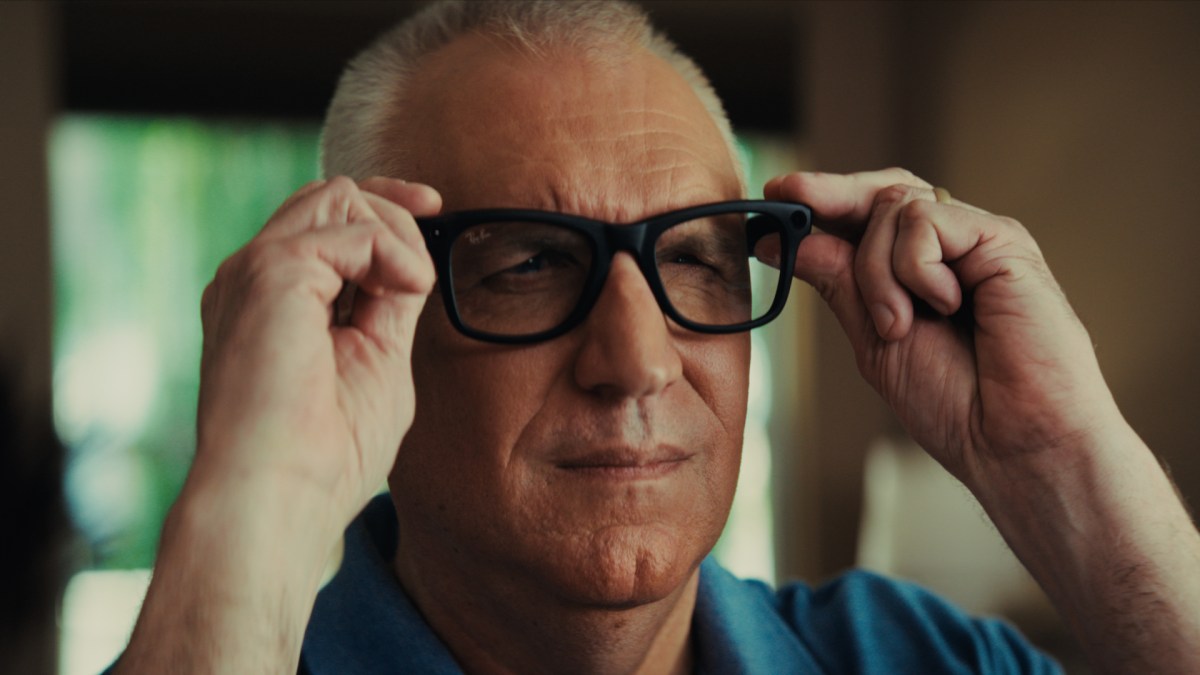
Look at the surveillance theater currently unraveling in public spaces around the world. In India, political leaders like DK Shivakumar openly suspect visitors of orchestrating covert recording stings using camera-equipped frames. On TikTok and Threads, viral survival tips advise citizens to blast Disney songs to weaponize automated copyright bots against unsolicited smart-glasses footage. When the public must resort to intellectual property laws to protect their basic privacy, your product category has a terminal cultural problem.
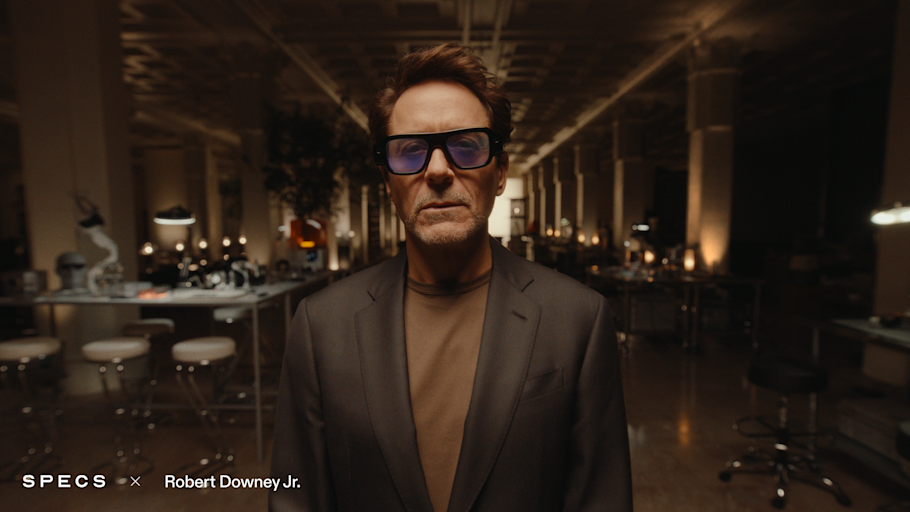
Silicon Valley's response to this mounting backlash has been remarkably out of touch. Snap recruited Robert Downey Jr. as Chief Customer Experience Officer to cosplay Tony Stark in broadcast sports spots, clinging to a Hollywood hallucination of cinematic spatial computing. At the same time, Meta sponsored an expansive retrospective at the Computer History Museum, celebrating six decades of headgear prototypes while failing to resolve the real-world friction happening outside the gallery doors.
When Meta attempted to address this privacy friction directly, its commercial instincts collapsed. The newly unveiled Ray-Ban Meta Audio frames strip the onboard cameras entirely, but launch at an eye-watering $349 price point. Asking consumers to pay a steep premium for hardware that does fundamentally less is not a legitimate privacy strategy: it is an extortionate tax on basic social etiquette.
This identity crisis exposes the fatal flaws of proprietary hardware silos. Big Tech remains obsessed with building either covert surveillance rigs or overpriced audio sunglasses, while boutique innovators like Even Realities and Brilliant Labs scramble to prove that minimalist heads-up displays are the true path forward. The market does not need another celebrity brand ambassador or another walled-garden headset. It needs an open, standardized platform that bridges ambient AI with quiet visual utility.
This chaotic, fragmented landscape is precisely where Android XR will strike over the next twelve months. Much like original Android swept in to organize the chaotic mess of Symbian, Windows Mobile, and closed carrier stacks, Google's dedicated spatial operating system is designed to standardize smart eyewear. Android XR is not built to win by shipping a single luxury hardware device; it is engineered to commoditize the entire category.
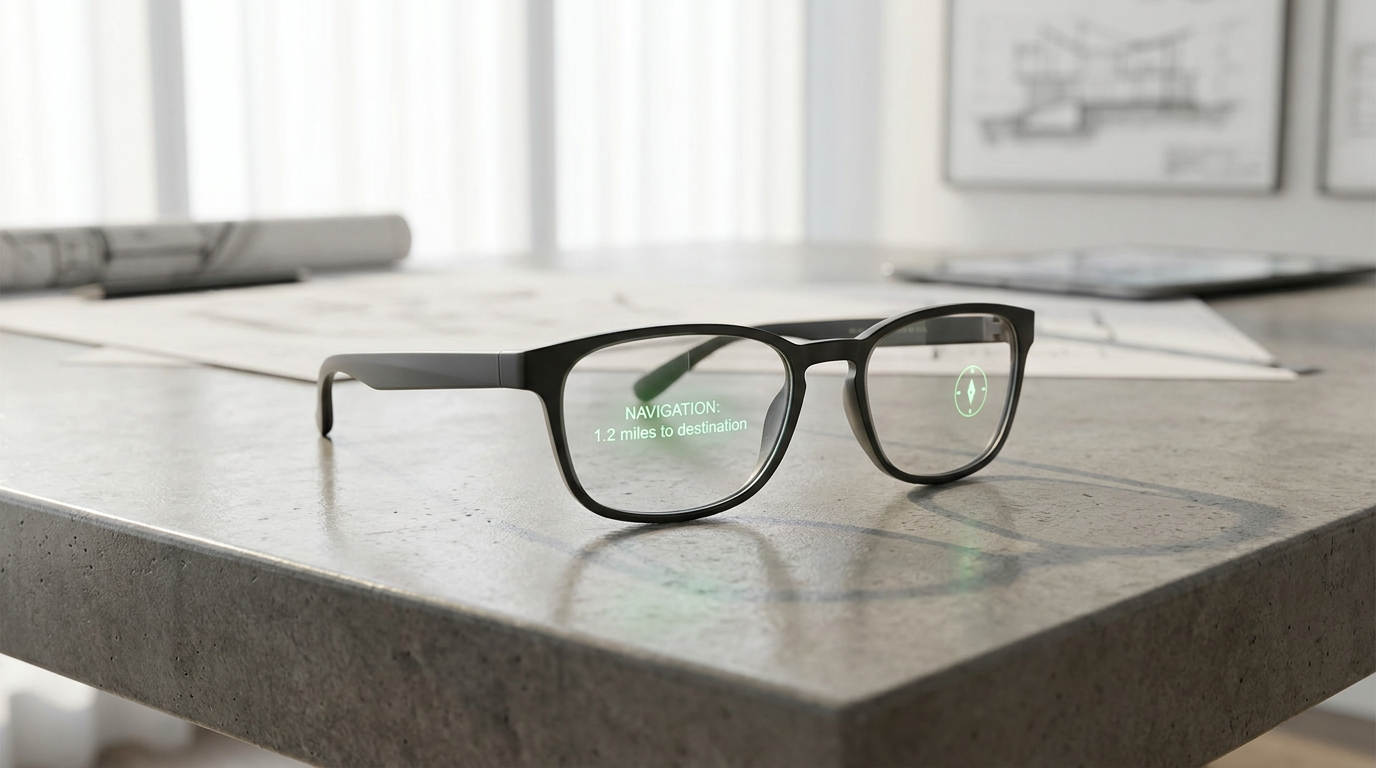
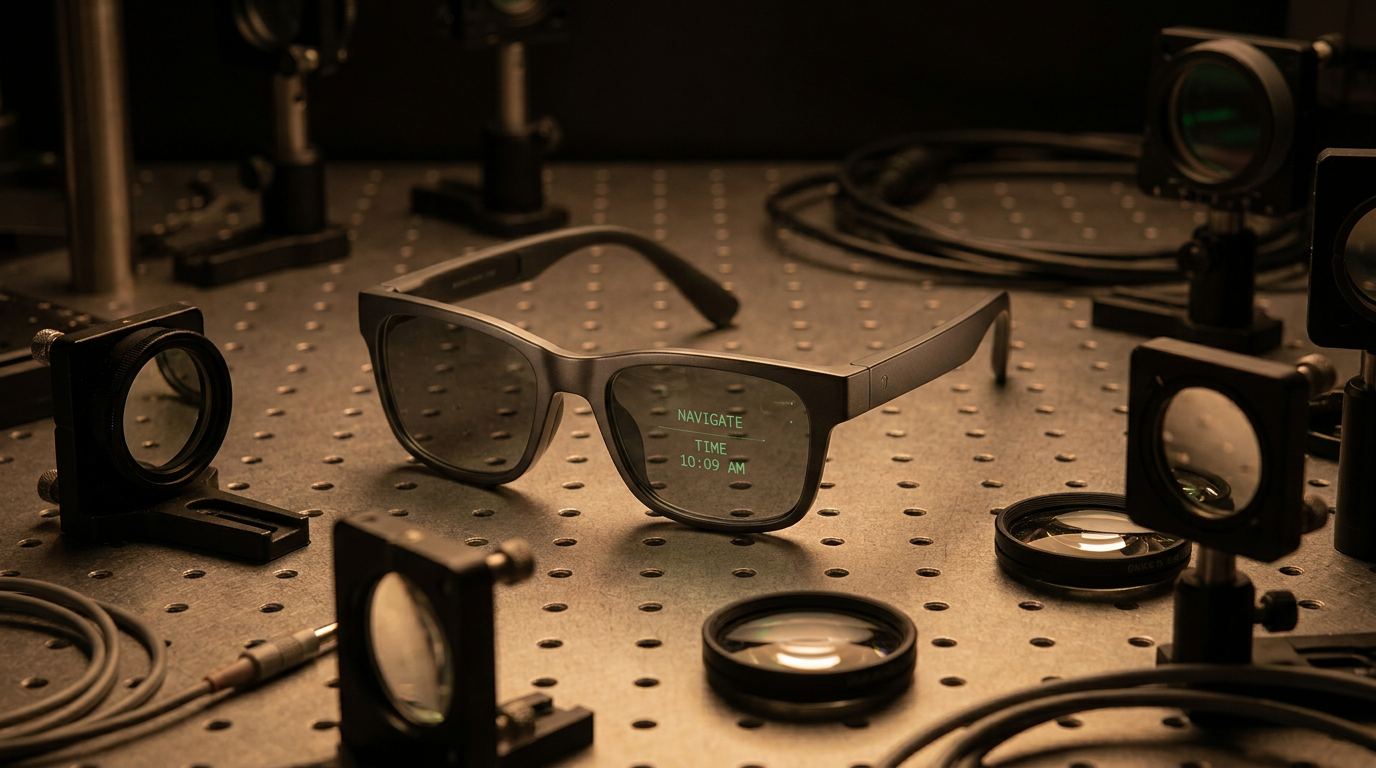
Hardware innovators are already signaling this tectonic migration away from Meta's closed playground. Look at the newly announced INMO GO3, which bypassed the camera trap entirely by debuting dual 1,500-nit MicroLED displays paired directly with Google's Gemini AI. Instead of sinking millions into proprietary operating systems, emerging eyewear makers are realizing that optical hardware needs an adaptable, scalable intelligence layer that plugs into everyday workflows.
Over the coming year, Android XR will establish the foundational software stack that allows dozens of traditional eyewear brands to bypass EssilorLuxottica entirely. Frame giants like Safilo, Marchon, and independent optical houses do not have the capital to build proprietary foundation models or engineer custom spatial runtimes. Android XR offers them an off-the-shelf lifeline: license the operating system, plug in multimodal Gemini intelligence, and instantly challenge Menlo Park's pricing power.
Crucially, Android XR will enforce the software and sensor standards required to survive the regulatory scrutiny now sweeping across Europe. As European watchdogs turn their attention to discreet recording hardware, schools, workplaces, and public venues will inevitably enforce strict device restrictions. An open, enterprise-grade operating system can standardize hardware profiles, providing camera-free heads-up display modes that institutions can actually trust and manage.
The platform will also redirect the industry away from celebrity vanity projects and toward proven, life-changing utility. While Snap advertises digital golf coaching, the true triumphs of smart eyewear are occurring in accessibility, such as Meta's assistive initiatives for blind veterans and vision-impaired users like Ian Torrie. Android XR will treat accessibility, text translation, and contextual navigation as core platform services rather than marketing afterthoughts.
The era of the proprietary smart-glasses monopoly is officially ending, crushed under the weight of privacy boycotts, slowing hardware sales, and exorbitant price tags. Over the next twelve months, Android XR will shatter the market into competitive, consumer-friendly tiers running on a unified intelligence platform. Meta and Snap will soon discover that controlling the physical frame means very little once an open operating system takes over the face.
Interactive guide — prices, displays, cameras, battery.
Share this story