Analysis · Samsung
The Stealth Trap: Gentle Monster and Samsung Made AI Glasses Too Invisible
Silent wrist flicks and designer silhouettes promised frictionless computing. Instead, South Korea's exam scandals proved that making smart eyewear completely undetectable turns wearers into immediate suspects.

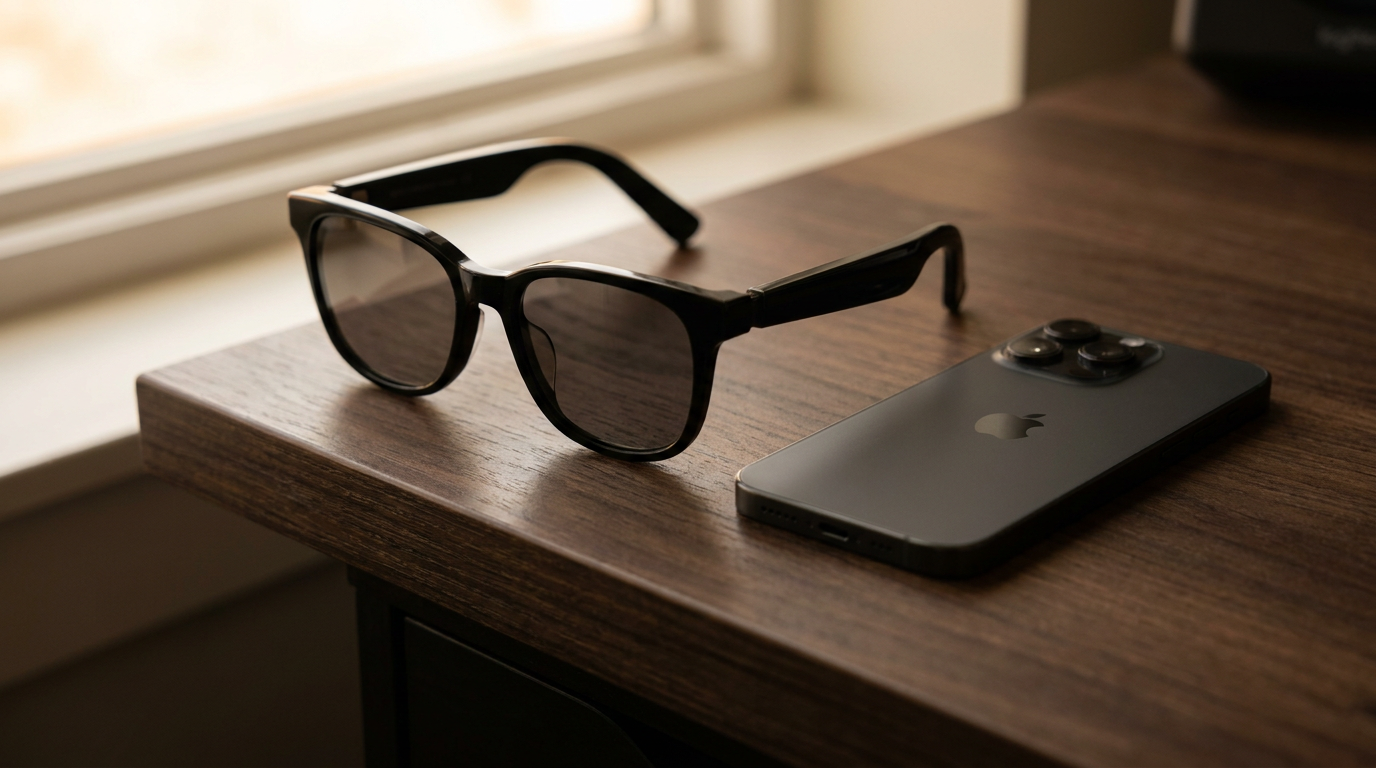
Samsung and Google spent months polishing their holiday offensive: nine distinct frame styles co-designed with North American staple Warby Parker and South Korean tastemaker Gentle Monster. On paper, it was the exact antidote to Silicon Valley's historical aesthetic clumsiness. By concealing modern sensors within high-fashion acetate and routing controls through imperceptible Wear OS wrist twitches on the Galaxy Watch and Pixel Watch, the tech giants built an ambient assistant you could operate without raising an arm or saying a single word. It was supposed to be the masterclass in seamless consumer design.
That engineering triumph has collided headfirst with an existential cultural panic. Following a wave of high-stakes exam-tampering scandals in South Korea, including a top scorer on the national tax accountant licensing exam caught deploying generative AI tools, the social reception to stealth eyewear has turned hostile. Instead of celebrating the planned December 10 rollout of Gentle Monster's Intelligent Eyewear line, executives are scrambling emergency safeguards to convince regulators and anxious testing boards that their frames will not dismantle institutional trust. The very invisibility they spent millions to engineer has suddenly become their greatest liability.
The timing could hardly be worse for Mountain View and Suwon. Just days ago, Google and Samsung confirmed that Galaxy Watches, Pixel Watches, and the upcoming screenless Fitbit Air would govern their smart eyewear via micro-gestures. Double-pinching your fingers or subtly rotating your wrist allows wearers to cycle prompts, query Gemini, and dismiss visual interface experiences beneath a table. In a private conference room, it looks like executive wizardry. In a testing hall, a licensing room, or a university lecture, it looks like an invisible teleprompter operated by a covert dead man's switch.
Gentle Monster was enlisted specifically to solve the social adoption hurdle that has haunted smart glasses for a decade. The brand's signature bold silhouettes, architectural lines, and luxury status among trendsetters across Seoul, Tokyo, and New York were meant to erase the tech stigma entirely. But fashion camouflage cuts both ways. When hardware blends seamlessly into everyday acetate, observers can no longer distinguish between genuine prescription eyewear and a clandestine cognitive crutch. By masking the tech behind high-end street fashion, Samsung and Google eliminated the visual cues that society relies on to police fairness.
The institutional backlash across East Asia provides a harsh preview of what the West will inevitably face in 2027. South Korea's College Scholastic Ability Test authorities and civil service boards are already debating blanket bans on all designer eyewear during testing sessions. When an AI tool cannot be identified visually, institutions do not negotiate with hardware makers. They simply ban the entire category, forcing everyday vision-corrected wearers into humiliating optical inspections at the door. The promise of mainstreaming smart glasses evaporates the second security guards start checking your bridge for hidden pinhole sensors.
For all the criticism Meta received over its conspicuous recording LED on the Ray-Ban frames, Mark Zuckerberg at least understood the necessity of overt physical signaling. Even a tiny, glowing diode provides a shred of ambient consent for the people standing across from you. Gentle Monster and Samsung, by optimizing for pure aesthetic stealth and silent wrist inputs, skipped that social friction entirely. In doing so, they engineered a wearable device that inherently breeds suspicion. If nobody can tell you are looking up an answer, everyone will assume you are cheating.
The hurried mitigation strategies Gentle Monster is currently circulating among partner firms are almost comical in their inadequacy. Software kill-switches, geo-fenced exam modes, and voluntary academic lockouts are flimsy band-aids on a foundational hardware problem. A user motivated enough to beam test questions to a cloud model will bypass client-side software restrictions within hours of release. Once a device houses an outbound sensor, high-speed connectivity, and microscopic transducers, no corporate press release can prove it is benign. The physical form factor itself is the threat.
Tech enthusiasts have long insisted that voice commands and frame-tapping were the main friction points holding smart eyewear back. Nobody wants to mutter to an assistant on a crowded subway or repeatedly tap their temple like a science-fiction extra. Wear OS gesture control seemed like the ultimate breakthrough, allowing a user to dismiss notifications or snap silent data queries with a phantom thumb twitch. Yet by eliminating the physical tell, Google and Samsung stripped away the social transparency that keeps public computing tolerable. A gesture so subtle that nobody notices is a gesture nobody trusts.
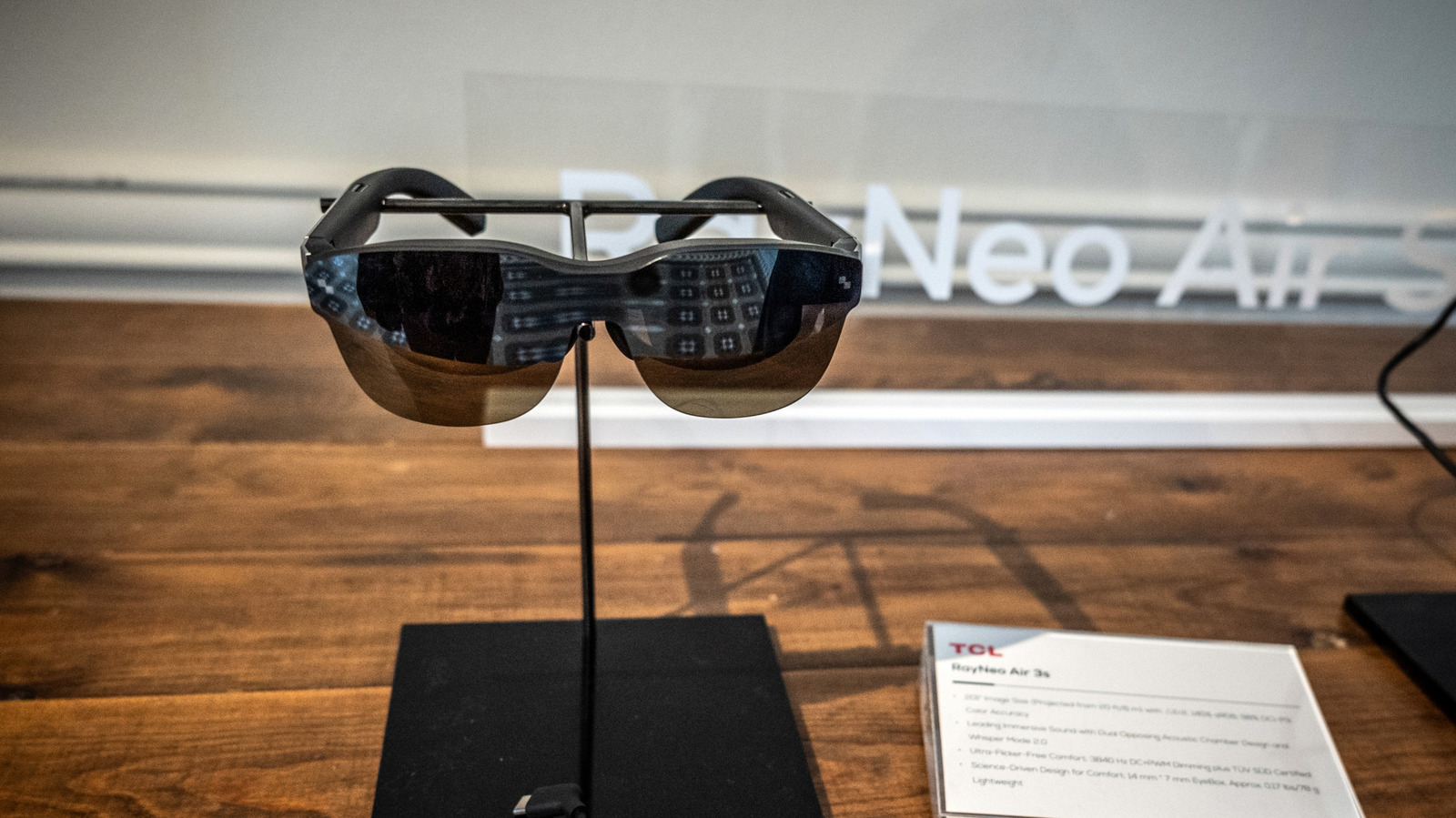
This sudden regulatory crosswind also exposes a profound fracture in the industry roadmap. While competitors like RayNeo hedge their bets across distinct tiers, balancing the lightweight 33-gram monochrome iO with dedicated display glasses, Samsung and Google bet their holiday halo on high-fashion stealth. If consumer perception permanently links Gentle Monster's frames to academic fraud and covert surveillance, mainstream buyers will hesitate to wear them anywhere near a workplace or a school. Nobody pays luxury prices for an accessory that marks them as an untrustworthy bad actor.
The corporate world will not lag far behind academic testing centers in locking down against invisible eyewear. Human resources departments, corporate legal teams, and confidential design studios cannot afford to guess whether an employee's thick-rimmed designer frames are querying an internal Gemini instance during salary reviews or IP negotiations. The very feature Samsung engineered to promote frictionless productivity has effectively rendered their frames toxic to enterprise environments. When computing is covert, every interpersonal interaction becomes an adversarial game of poker.
Google and Samsung set out to solve the hardware problem that plagued smart glasses for a decade: how to make ambient computing socially invisible. They succeeded so thoroughly that they bypassed social acceptance and walked straight into institutional terror. By making their hardware impossible to detect and effortless to trigger via silent wrist motions, they built the ideal machine for cheating the real world. Until tech giants figure out how to balance aesthetic discretion with clear social accountability, their sleekest eyewear will remain stranded on the wrong side of public trust.
Interactive guide: prices, displays, cameras, battery.
Share this story