Analysis · HTC
The Panic Discount: Why the Smart Glasses Mid-Tier Is Collapsing Before Google Arrives
Between HTC slashing the Vive Eagle and RayNeo dressing up old optics in camo, hardware makers are bleeding margin. With Samsung and Google dropping Gemini frames on December 10, the mid-tier is in full retreat.
In consumer electronics, late November typically brings polite holiday promotions designed to clear warehouse inventory before the new year. What we are witnessing across the smart glasses market right now is something far uglier. It is a full-blown margin panic from the hardware makers caught in no-man's-land. Facing an unyielding giant on one flank and an imminent software juggernaut on the other, second-tier eyewear brands are surrendering their pricing power.
Look at HTC for the clearest evidence of this distress. Barely two months after introducing its Vive Eagle connected frames to European buyers, the company chopped seventy euros off the entry sticker on Amazon France, dropping the price from 469 euros to 399 euros. Slicing fifteen percent off retail on a brand-new platform equipped with Zeiss lenses is not a routine seasonal markdown. It is a desperate maneuver from a hardware team that realizes its product is suffocating on retail shelves.
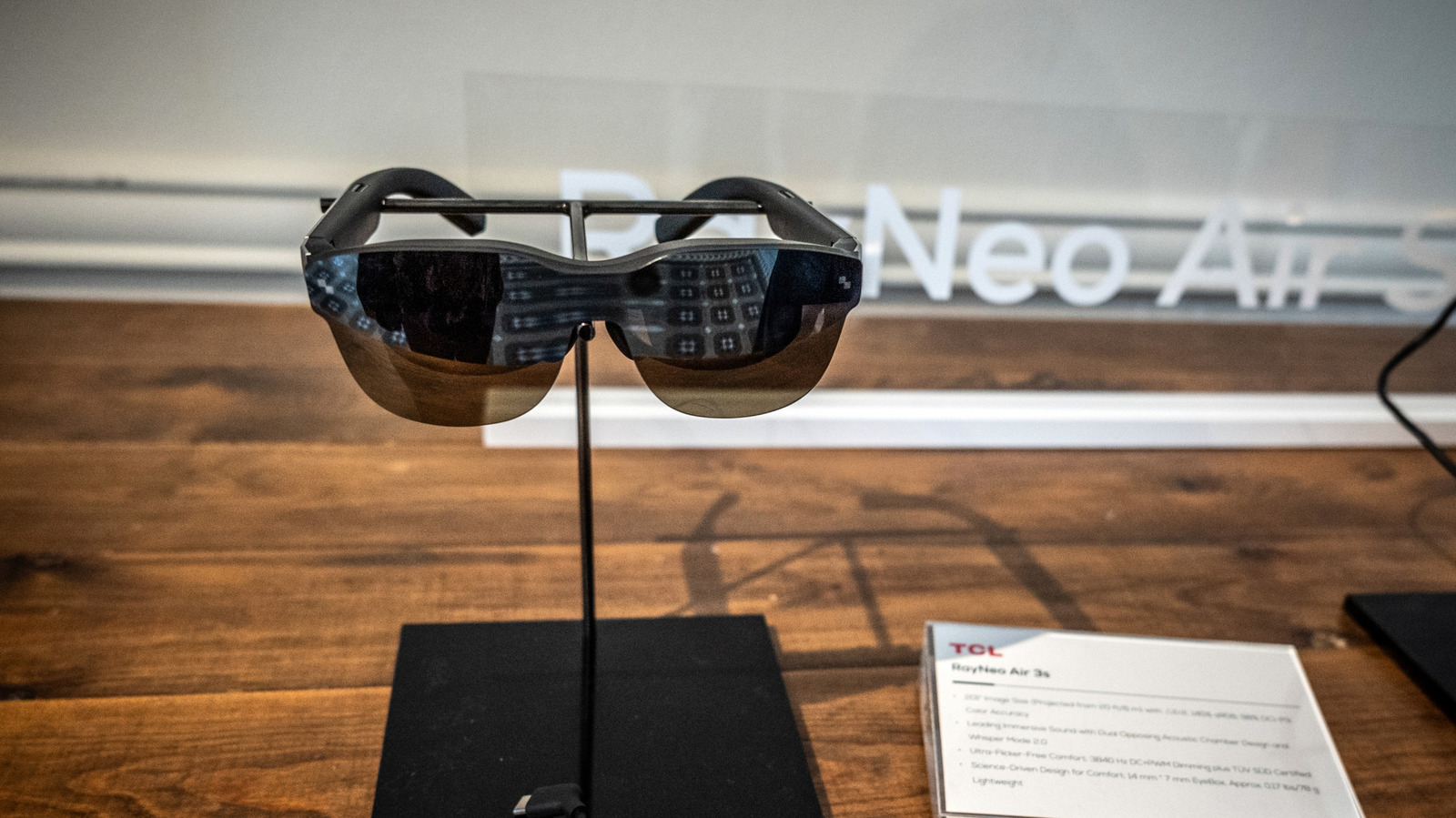
RayNeo is broadcasting the same underlying panic through cosmetic desperation. The display brand just rolled out a limited five-hundred-unit run of its GT Max frames styled for Call of Duty: Modern Warfare 4, priced at $382. That promotional price actively undercuts the standard GT Max launch price of $399, despite wrapping the exact same September optics in sandblasted digital camouflage and a braided USB-C lead. When your primary lever for moving display glasses is bundling a gaming cleaning cloth and cutting sticker prices, you have run out of product arguments.
XREAL is playing out the same defensive script with an administrative coat of paint. The spatial display pioneer opened its official Black Friday event by retiring checkout discount codes and quietly baking those markdown prices directly into storefront listings. The flagship One Pro is now locked at $499, the 1S at $379, and the entry-level xbx a01+ bottoms out at $249. When promotional emergency pricing becomes your everyday baseline, you no longer possess pricing leverage. You have an inventory problem masquerading as holiday cheer.
This bloodbath in the middle stands in stark contrast to the swagger at the top of the food chain. Leaked product listings for the upcoming Ray-Ban Meta Gen 3 indicate a starting price of $449, representing a massive fifty percent jump over the current baseline. Meta can command premium hardware margins because it controls more than ninety percent of global AI glasses shipments, according to Counterpoint Research data. Mark Zuckerberg is not selling displays or camera sensors at cost; he is selling a luxury lifestyle accessory powered by an unassailable cultural moat.
What is petrifying the mid-tier is not simply Meta's existing monopoly, but what arrives on the calendar next month. On December 10, Samsung and Google are officially rolling out their jointly developed Intelligent Eyewear in the United States and South Korea. Armed with Google's multimodal Gemini AI, 64GB of onboard storage, and optical legitimacy drawn from retail partnerships with Warby Parker and Gentle Monster, the device is explicitly engineered to undercut Meta on price while outclassing standalone gadgets on software. That launch date has frozen consumer wallets and sent tremors through every rival boardroom.
The December 10 deadline creates a lethal vice grip for everyone trying to sell frames on hardware specifications alone. If Google and Samsung arrive with premier fashion labels and a subsidized, cloud-connected AI engine at an aggressive entry point, pure-play electronics makers have nowhere left to hide. The mid-tier cannot match Google's software engineering, and they cannot replicate Warby Parker's nationwide prescription fitting network. They are stranded with generic components in an industry that suddenly demands deep software integration.
That structural squeeze explains why RayNeo is reduced to pitching video game skins and HTC is sacrificing its margins in France. Without an exclusive large language model or an authentic optical brand, hardware commoditization happens at breakneck velocity. Standalone smart frames are walking the exact same path that wiped out independent Bluetooth headset makers a decade ago. They are battling over pennies on spec sheets that look functionally identical across half a dozen factory catalogs in Shenzhen.
The bitter irony is that none of these panic discounts solve the fundamental usability issues holding the category back. Chopping the Vive Eagle to 399 euros does not provide wearers with a compelling daily reason to keep dual cameras on their face for eight hours. Taking seventeen dollars off a RayNeo GT Max with Call of Duty graphics does not make tethered USB-C spatial displays any less cumbersome on an afternoon train ride. Slashing prices merely exposes how little value these frames deliver once the novelty fades.
The consumer smart eyewear landscape is consolidating into two defensible outposts. On one side are the tech titans who can treat frames as loss-leading access points for ambient artificial intelligence, subsidized by cloud ecosystems and billion-dollar balance sheets. On the other side are behind-the-scenes reference platforms, such as Vuzix's sub-40-gram Ultralite Color architecture, designed to power white-label optical collections without consumer tech branding. The independent mid-tier hardware badge, priced at four hundred dollars and sold on raw specs, is dead on its feet.
The fire sales across digital storefronts this November are not a victory for budget-conscious consumers. They are an early obituary for an entire generation of smart glasses companies that mistook component assembly for a sustainable business model. When Google and Samsung step onto the stage on December 10, they will not merely be initiating their long-awaited assault on Meta's market share. They will be sweeping the discounted wreckage of the mid-tier completely off the table.
Interactive guide: prices, displays, cameras, battery.
Share this story