Manufacturer News · Samsung
Samsung's Intelligent Eyewear: Specs, Weight, and Full Design Lineup Revealed
Samsung's anticipated smart glasses, set for a November launch, will weigh approximately 41 grams and feature a Snapdragon AR1 Gen 1 chip.
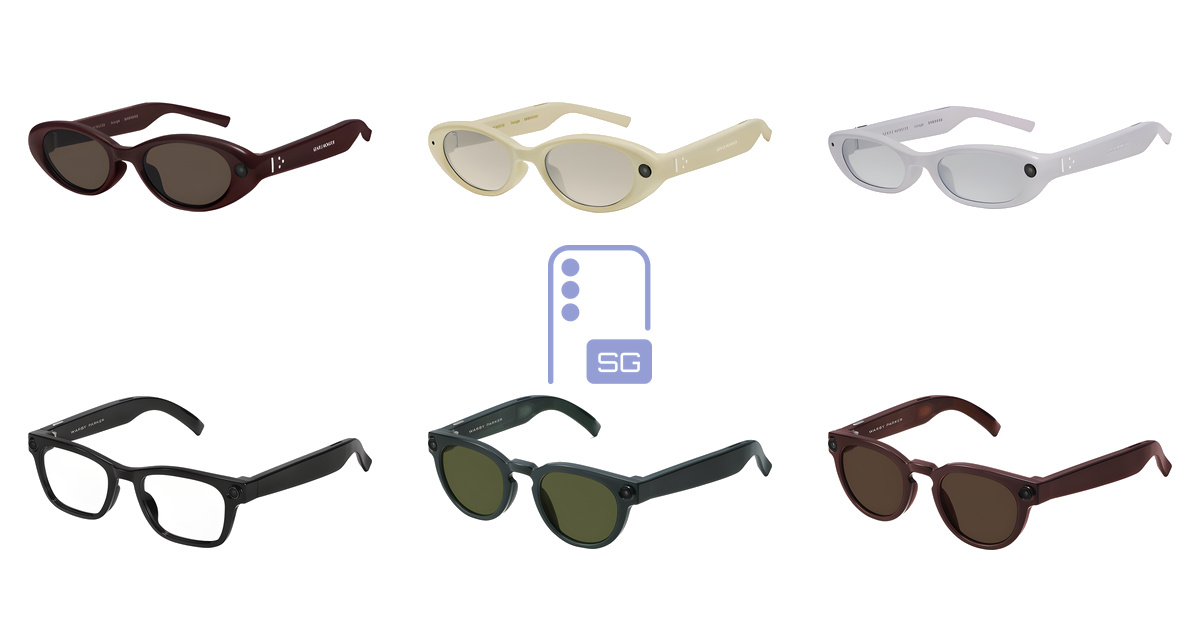
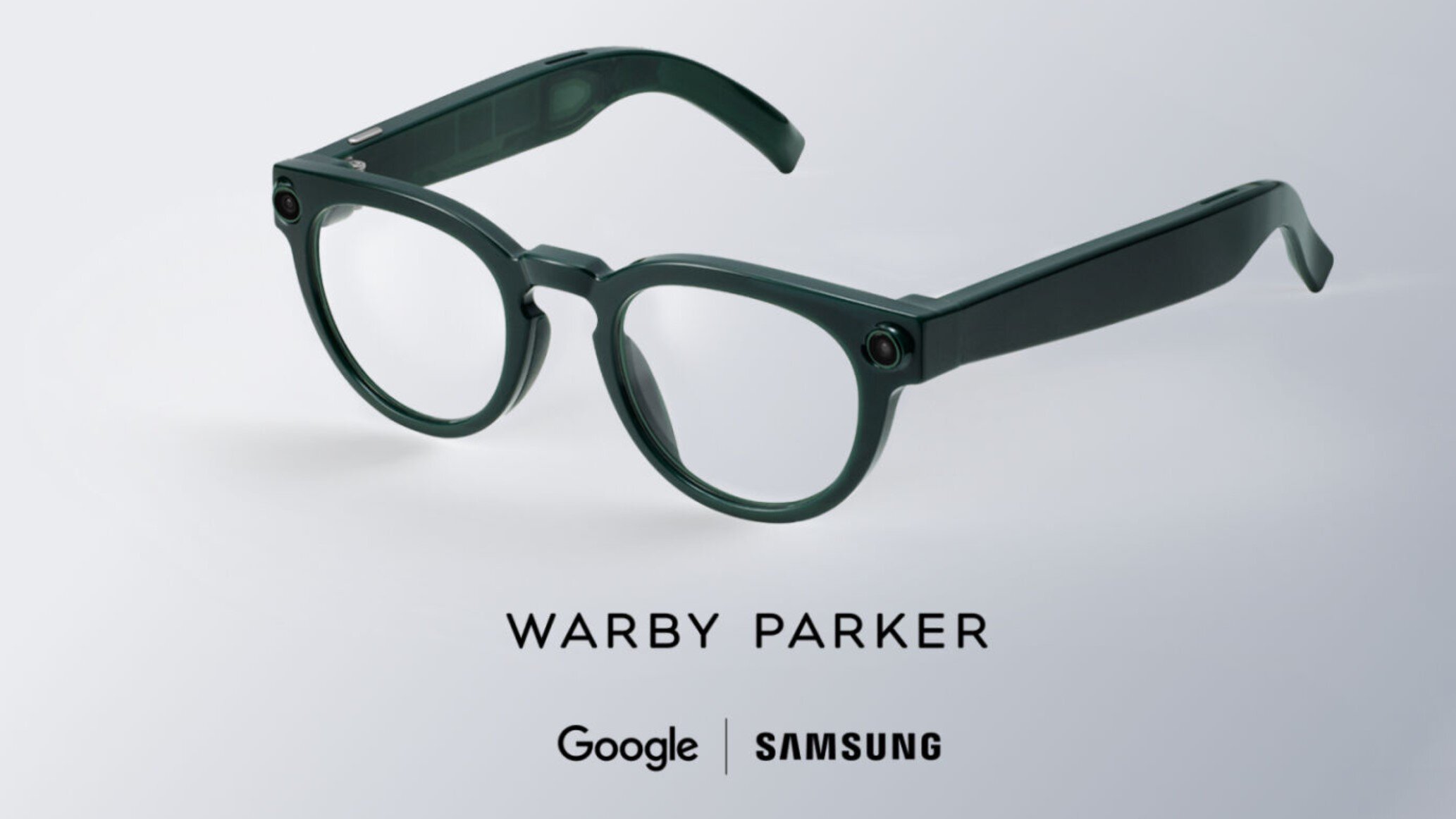
On October 12, 2026, Samsung's inaugural smart glasses, dubbed "Intelligent Eyewear" or "Galaxy Glasses," saw a comprehensive leak of their design and specifications. Just a month before their anticipated November release, SammyGuru provided exclusive insights, revealing every frame style and color variant developed in partnership with Gentle Monster and Warby Parker, alongside critical hardware details.
A key reveal by SammyGuru is the device's weight: approximately 41 grams with standard lenses. This figure positions Samsung's offering as significantly lighter than prior industry rumors, which suggested weights around 46 grams or even 50 grams based on earlier leaks. SammyGuru notes that Samsung previously only hinted at the glasses being "lighter than most AI glasses," without providing an exact number until now. Prescription lenses will add marginal weight, varying by model.
The full specification sheet, also exclusively reported by SammyGuru, outlines a solid foundation for the glasses. They will be powered by the Snapdragon AR1 Gen 1 chip, paired with 2 GB of RAM and 64 GB of onboard storage. The camera features a 12 MP sensor, capable of recording 3K video at 30 frames per second. Audio is handled by two open-ear speakers, complemented by four microphones for calls and AI interactions with Gemini. Powering the device is a battery offering up to 9 hours of use, extendable to 72 hours with its charging case. The glasses also boast an IPX4 water resistance rating, though the case is not rated.
Crucially, these glasses operate without an integrated display, relying on spoken responses delivered through their open-ear speakers. The 12 MP camera specification aligns with earlier reports, such as one from Galaxy Club in January. The four microphones are designed to facilitate clear calls and robust interaction with Samsung's AI assistant.
Our take: Samsung's decision to launch a display-less device at 41 grams signals a clear strategic focus on comfort, audio interaction, and subtle integration, rather than immersive visual AR. This positions the Intelligent Eyewear as a lifestyle accessory first, leveraging strong fashion partnerships with Gentle Monster and Warby Parker to drive initial adoption. While the specs, particularly the camera and battery life, are competitive for a first-generation device in this category, the true test will be how effectively Samsung's software and Gemini AI can deliver compelling experiences without a visual overlay. The light weight is a significant advantage, potentially making these a more viable all-day wearable than many heavier AR alternatives.
Interactive guide — prices, displays, cameras, battery.
Share this story