Manufacturer News · Samsung
Samsung's Android XR Glasses Eye November Release Date
Samsung's upcoming display-free smart glasses, powered by Google Gemini and tethered to Galaxy phones, are slated to arrive this November.
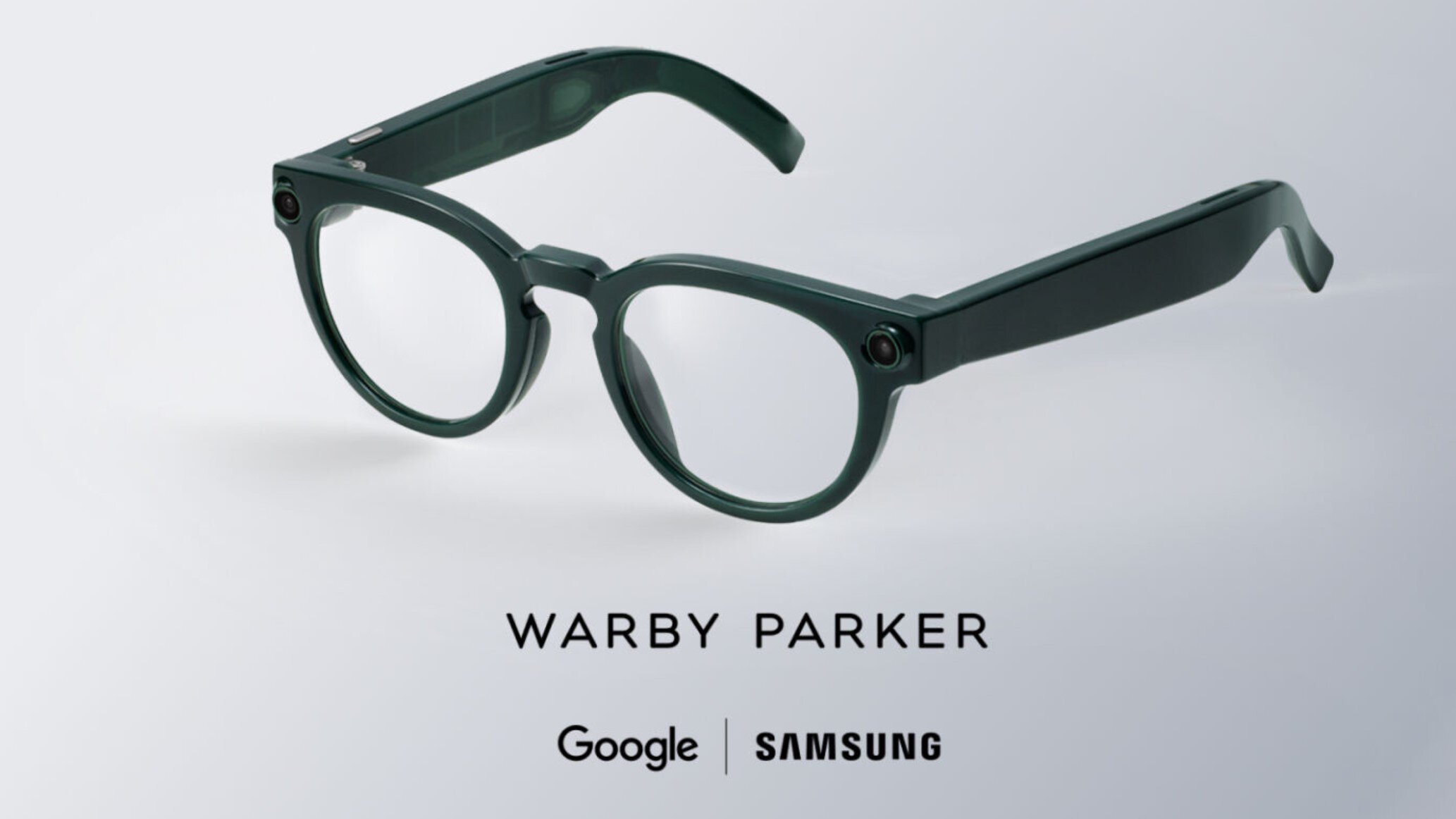
Samsung is ready to make its move into the smart eyewear arena. On October 2, 2026, reports surfaced confirming that the South Korean tech giant plans to release its first Android XR glasses in November. A company official confirmed the timeline to The Korea Herald, narrowing down the broad autumn release window that Samsung and Google previously teased earlier this year.
The glasses recently cleared the FCC under model numbers SM-O200J and SM-O200P, signaling that mass production and regulatory hurdles are largely behind them. Samsung first showed off prototypes of the hardware alongside Google at I/O in May, followed by another public glimpse at Galaxy Unpacked in July. Rather than building a singular, bulky gadget, Samsung has partnered with fashion-forward eyewear labels Gentle Monster and Warby Parker to deliver multiple consumer-friendly frame designs.
Instead of integrating waveguide optics or micro-OLED microdisplays, Samsung is sticking to an audio-and-camera architecture. The hardware features front-facing cameras, beamforming microphones, open-ear temple speakers, and deep integration with Google Gemini. In-frame silicon will handle basic sensing and streaming, while heavier multimodal AI computations are offloaded wirelessly to a companion Galaxy smartphone.
Samsung is also paying close attention to physical comfort and everyday wearability. The company reportedly aims to shave roughly five grams off the weight of comparable camera glasses, targeting a sub-47-gram profile against the 51.5-gram benchmark set by Meta. On the privacy front, Samsung has built in both interior and exterior indicator LEDs. To reassure bystanders, the camera automatically disables itself if an owner attempts to cover or tape over the external recording light.
The timing places Samsung directly in the crosshairs of the current category leader. Citing data from Counterpoint Research, Android Authority notes that global AI glasses shipments expanded 263 percent year over year during the first half of 2026. Display-less frames accounted for a staggering 96 percent of that volume, with Meta commanding roughly 94 percent of the segment. Samsung is clearly looking to crack that near-monopoly before optical AR consumer frames mature.
Our take: Samsung and Google are making the right strategic bet by skipping displays for their first retail release. Waveguide displays still impose harsh battery, thermal, and weight penalties that keep hardware out of mainstream hands. By matching Meta on form factor, undercutting it on weight, and bringing Gemini directly into the Android ecosystem, Samsung has the best shot of anyone at breaking Meta's current dominance in voice-first spatial computing.
Interactive guide: prices, displays, cameras, battery.
Share this story