Analysis · -
The Ghost in the Peripheral: Why HUD-Only Glasses are Staging a Quiet Comeback
The smart glasses industry's obsession with full AR displays is giving way to a more pragmatic, less intrusive future. Discreet, HUD-only devices are emerging as the true conduits for always-on AI, prioritizing utility and user comfort.
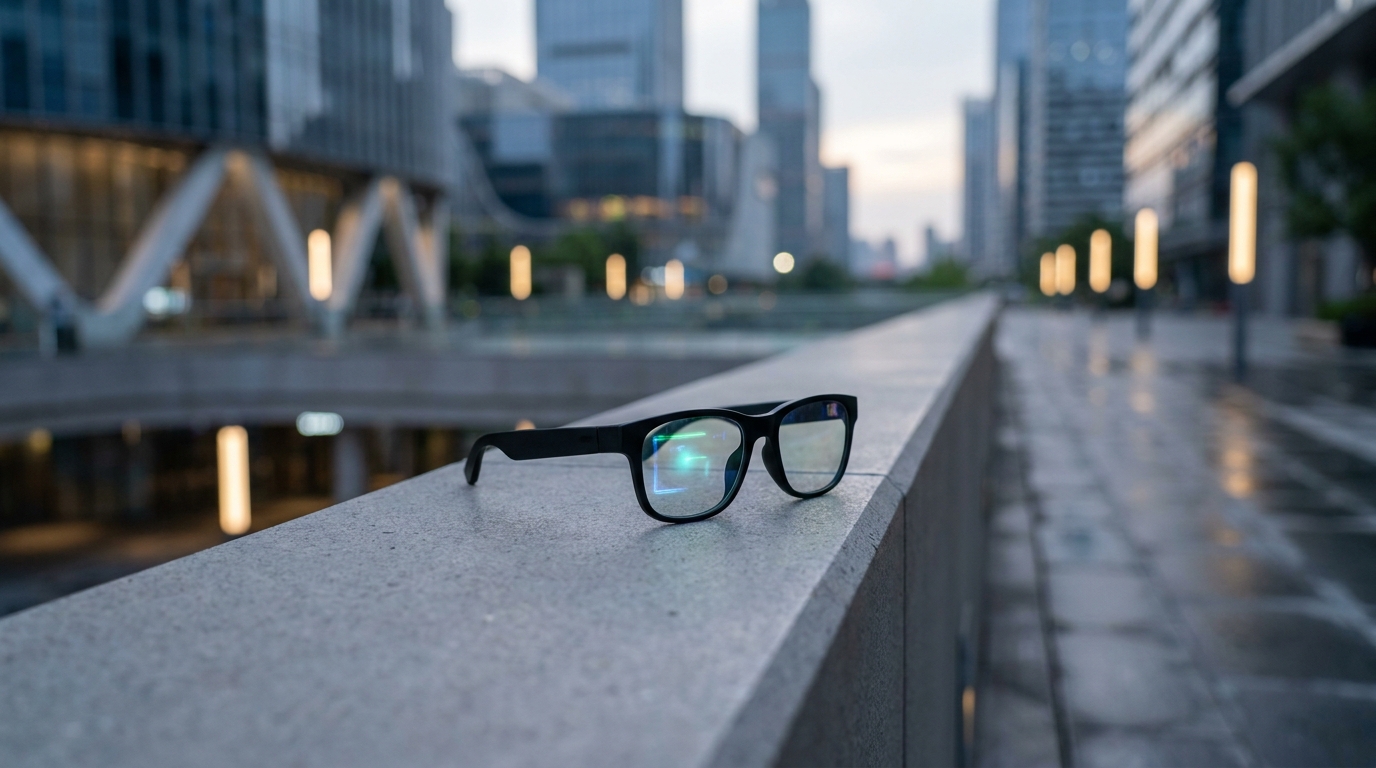
While the industry fixates on grandiose, full-color AR displays, a quieter, more pragmatic revolution is unfolding. The 'silent comeback' of HUD-only smart glasses, exemplified by innovators like Even Realities and Brilliant Labs, signals a critical course correction. This shift isn't about technological regression, but a strategic adaptation to user preferences, battery limitations, and the fundamental purpose of pervasive AI.
The mass market has made its stance unequivocally clear: it doesn't want screens plastered across its face. Meta's initial camera-first strategy, despite its market dominance with Ray-Ban AI glasses, consistently generated privacy backlashes and thermal issues. Products like DuckDuckGo's 'Normal F***ing Sunglasses' sold out rapidly, signaling a public rejection of pervasive surveillance in favor of discretion and utility.
Even Meta, a titan in the space, has tacitly acknowledged these user demands through calculated compromises. The introduction of Ray-Ban Meta Audio glasses, entirely devoid of cameras, was a significant pivot. This move, framed as a privacy-first triumph, also served as a strategic retreat from the persistent battery and social acceptance issues plaguing more visually intrusive designs.
The industry's struggle with battery life remains a glaring, unsolved problem, not a minor hurdle. Our own analyses have highlighted how companies are 'dodging the battery problem, not solving it,' with display-less designs and offloaded processing serving as concessions. HUD-only glasses, with their minimal power requirements, offer an inherently superior pathway to the extended, always-on utility that true pervasive AI demands.
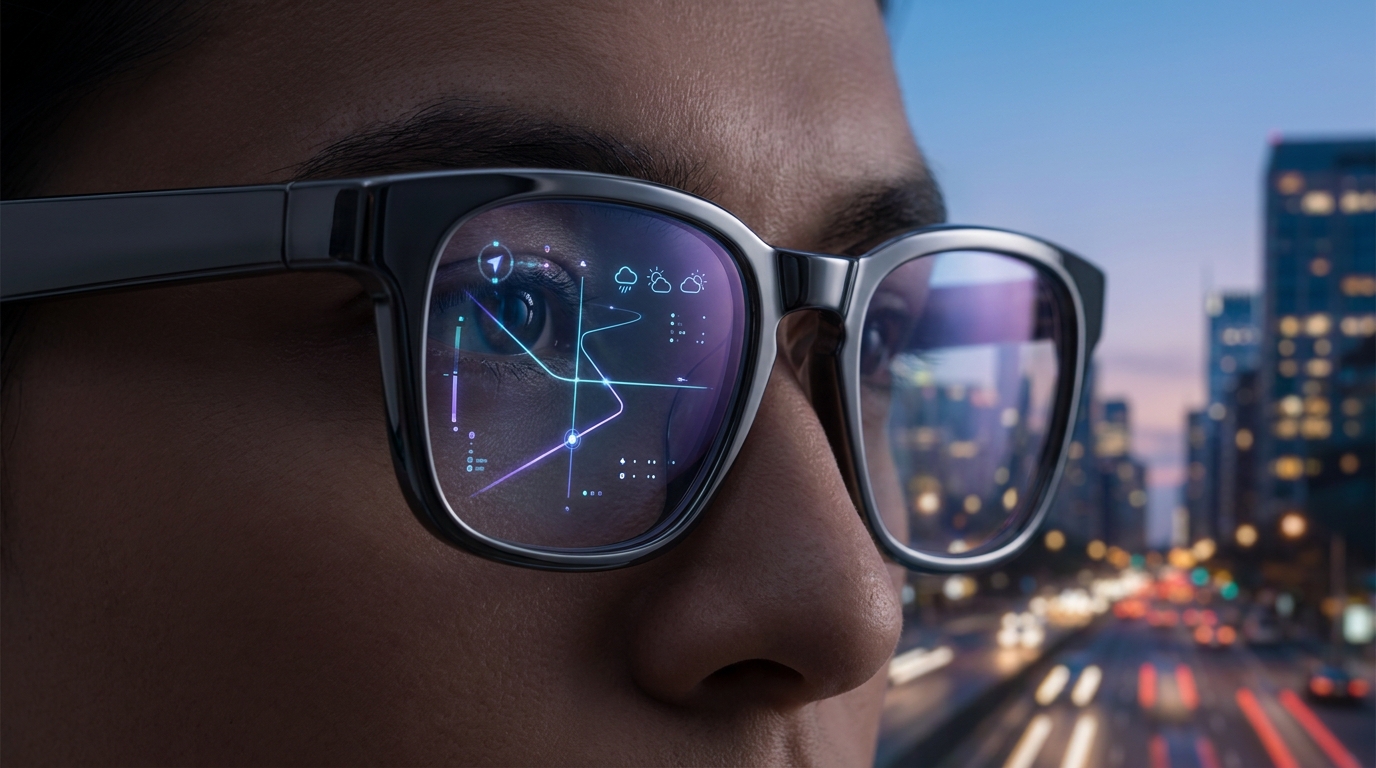
The power of 'the ghost in the machine,' demonstrated by advanced AI agents like Meta's Muse, does not necessitate an immersive AR display. Muse, designed to execute complex tasks and anticipate needs, moves computation from the pocket to the periphery of our vision. A subtle, non-obtrusive heads-up display is arguably the most effective and least distracting way to deliver real-time, proactive intelligence to the user.
Users want utility, not covert recording capabilities. This desire for discreet functionality aligns perfectly with the HUD-only paradigm. These devices can offer critical information, navigation cues, or AI-powered assistance without the social friction or privacy concerns associated with constantly recording cameras or obtrusive screens.
The smart glasses market stands at a critical juncture, pulled between corporate control and the boundless potential of open innovation. Hackers and independent builders are clamoring for open platforms where AI agents can 'run free,' unburdened by corporate gatekeepers. Brilliant Labs, with its commitment to open-source hardware and software, precisely addresses this demand, proving that sophisticated AI does not require a closed ecosystem.
Indeed, HUD-only glasses represent a smart, pragmatic compromise rather than a technological breakthrough in the traditional sense. They deliver on the core promise of intelligent eyewear-seamless, hands-free information access-without inheriting the profound challenges of full augmented reality, such as battery drain, social acceptability, and the sheer cost of miniaturized AR projectors.
The trend extends to specialized applications, as seen with the Oakley Meta Vanguard. While this product does incorporate a camera, its primary focus is on performance and enterprise utility, leveraging AI-powered audio and specific functions. It's not about an all-encompassing display, but focused, integrated capabilities, further supporting the move away from generalized, screen-centric visions.
As we approach 2026, a year deemed an inflection point for smart glasses, the geopolitical tech contest between USA-led innovation and China's formidable ambitions intensifies. Simpler, more adaptable, and privacy-conscious HUD-only designs could offer a compelling path forward for Western individualism. They prioritize user experience and discretion over an 'opaque integration' often seen in state-backed tech.
When we synthesize the persistent battery problem, the public's rejection of pervasive surveillance, the demand for discreet utility, and the rise of powerful, platform-agnostic AI, the 'silent comeback' of HUD-only glasses becomes undeniable. These devices are not just a stopgap; they represent a mature understanding of what most people genuinely want from intelligent eyewear.
The future of smart eyewear is not a spectacle of glowing screens but a seamless, integrated layer of intelligence woven into our daily lives. Brands like Even Realities and Brilliant Labs are not just building products; they are defining a new, more sustainable, and ultimately more successful paradigm for pervasive computing on the face. This quiet revolution will soon speak volumes.
Interactive guide — prices, displays, cameras, battery.
Share this story