Analysis · —
Hackers, Builders: This Is Your Era for Open Smart Glasses
Meta's Muse AI is a glimpse into the future of pervasive intelligence, but its 'walled garden' is a cage. The true revolution for independent builders lies in open platforms, where the ghost in the machine can finally run free.

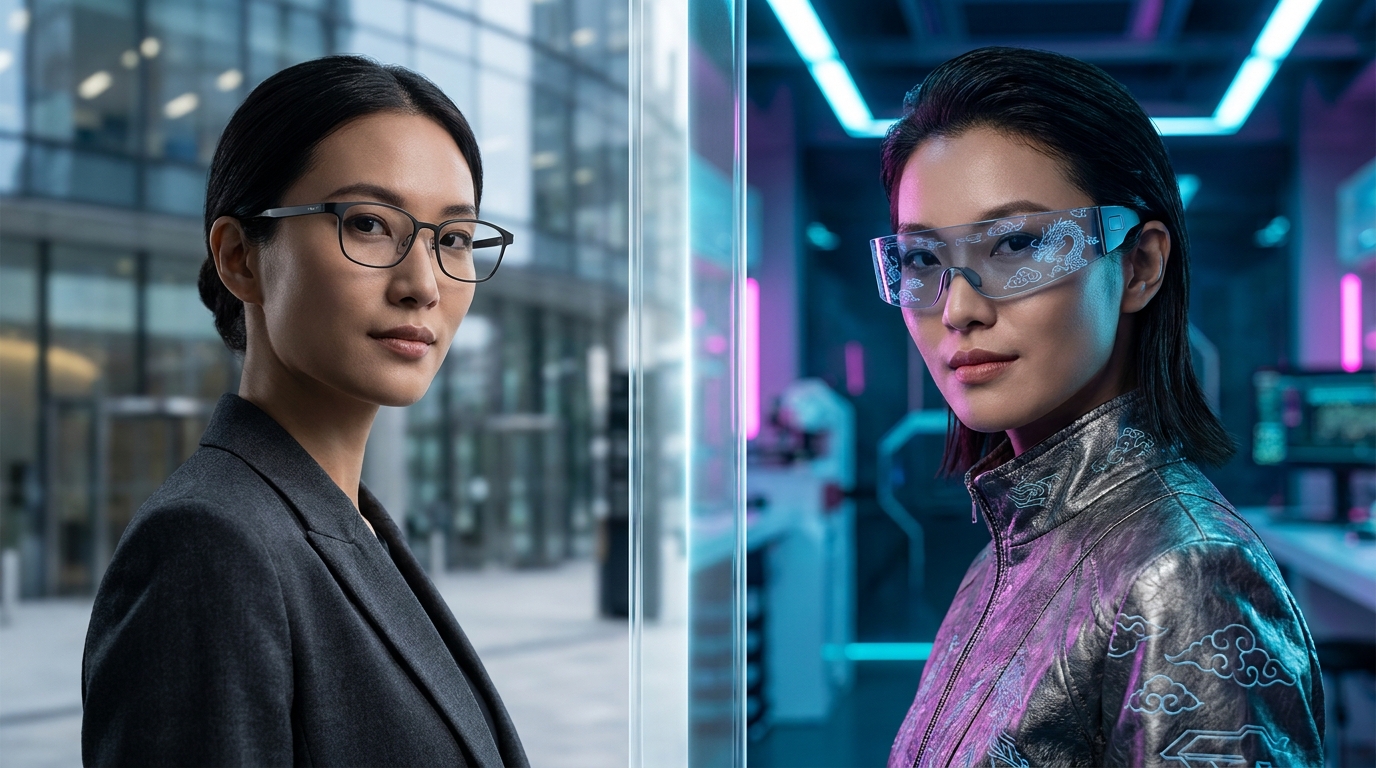
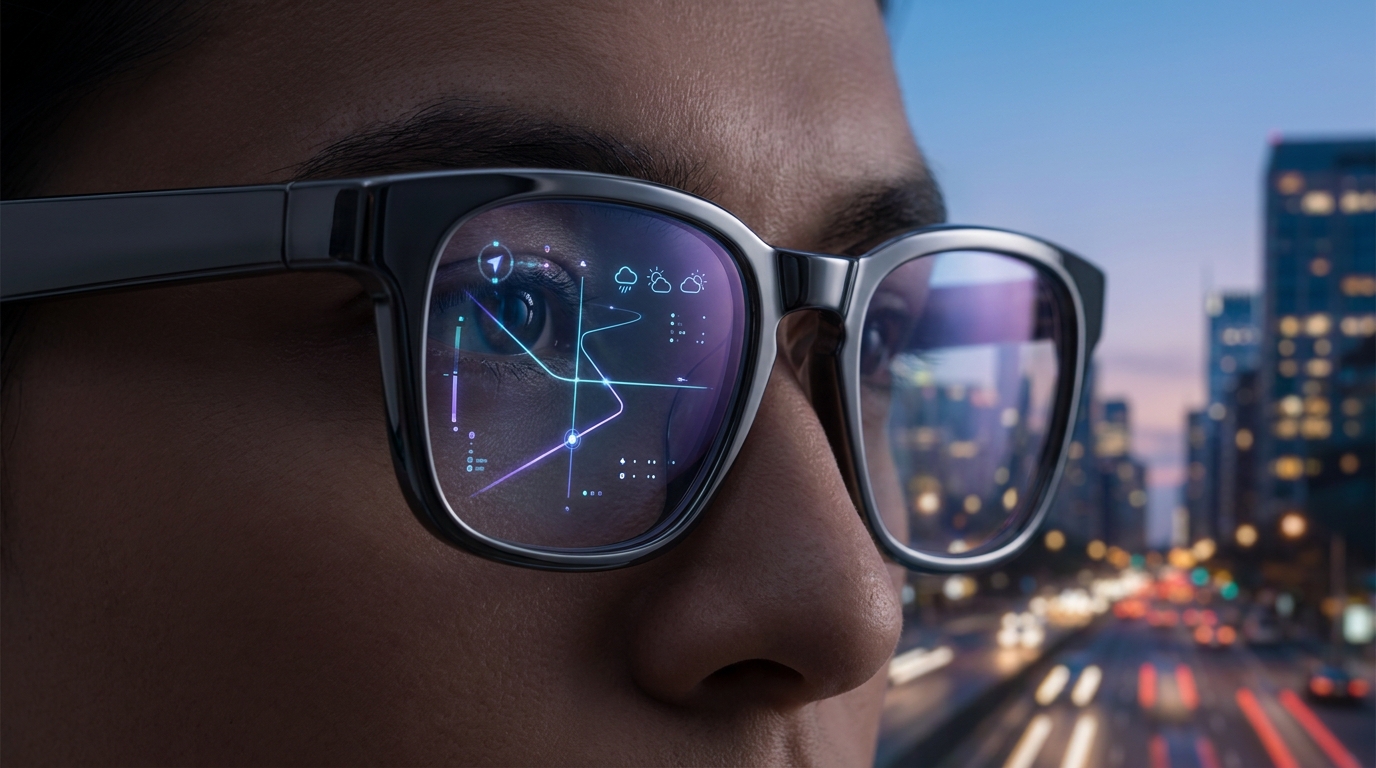
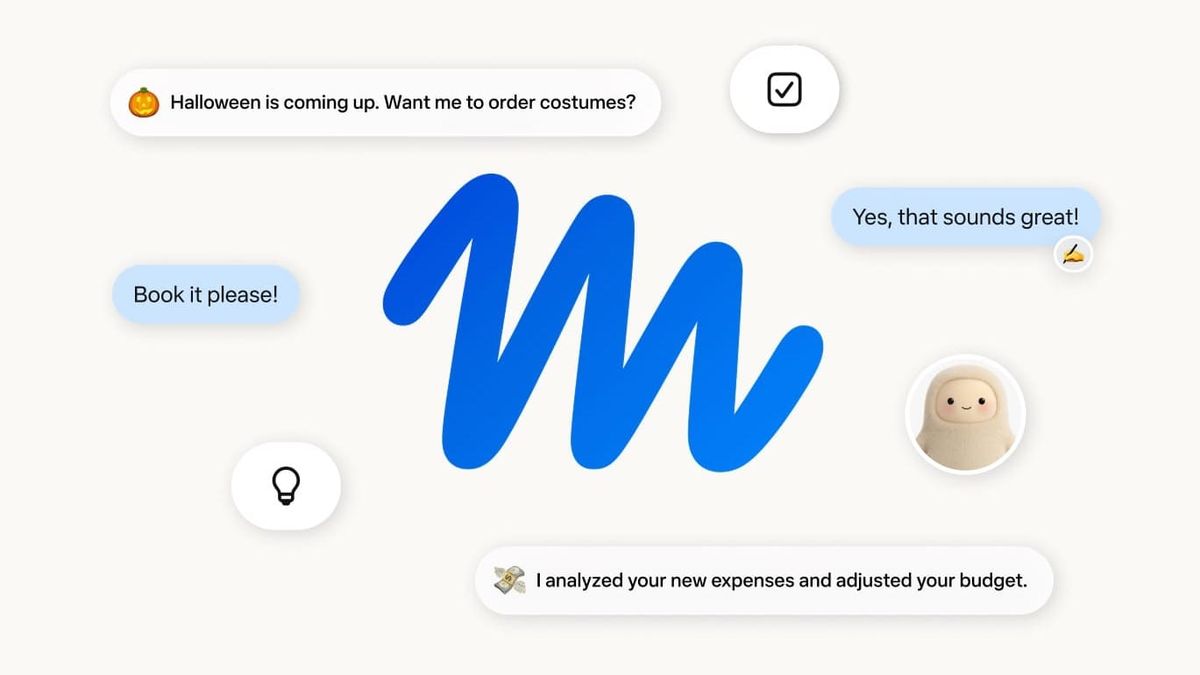
The smart glasses industry is experiencing a seismic shift, driven by powerful AI agents like Meta's Muse. This 'ghost in the machine' promises proactive, hands-free assistance, fundamentally reshaping our daily interactions. Meta's vision, particularly with its advanced Muse AI agent slated for smart glasses, demonstrates unprecedented potential for pervasive, intelligent eyewear.
Muse is not merely a chatbot; it is a sophisticated agent designed to execute complex tasks autonomously, reduce smartphone reliance, and even write its own code. Operating from a persistent Linux virtual machine in the cloud, complete with a web browser and filesystem, Muse exemplifies the cutting edge of always-on AI. This technological prowess should excite any builder or hacker.
However, Meta's groundbreaking capabilities come with a critical caveat: a proprietary 'walled garden' ecosystem. Despite the initial dominance of Ray-Ban AI glasses, Meta's strategy has consistently faced privacy backlashes, thermal issues, and public skepticism. This closed approach fundamentally limits the very innovation it purports to champion.
The market has spoken, often defiantly. DuckDuckGo's 'Normal F***ing Sunglasses' sold out rapidly, signaling a clear preference for utility and discretion over pervasive, camera-first surveillance. Even Meta is tacitly acknowledging this shift, moving towards display-less designs and audio-first models, but still within its controlled environment.
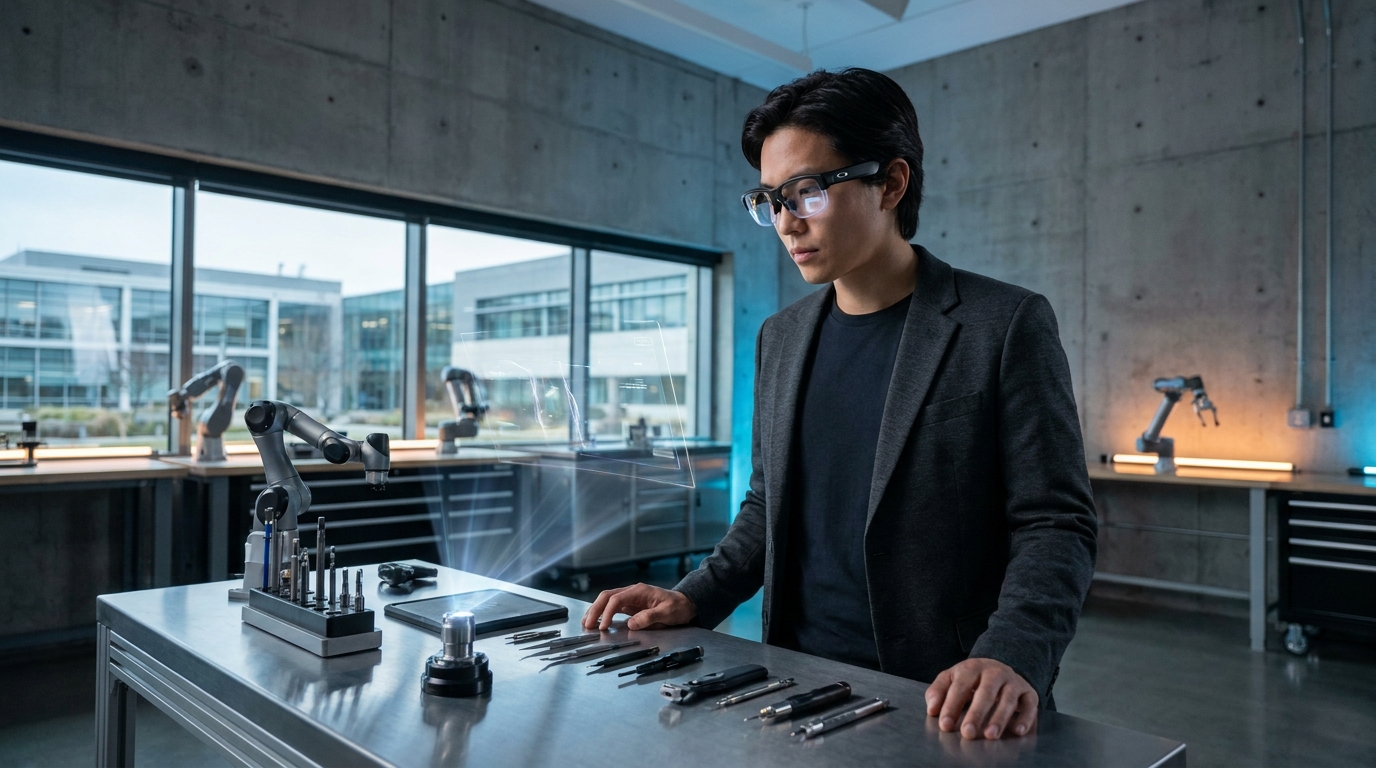
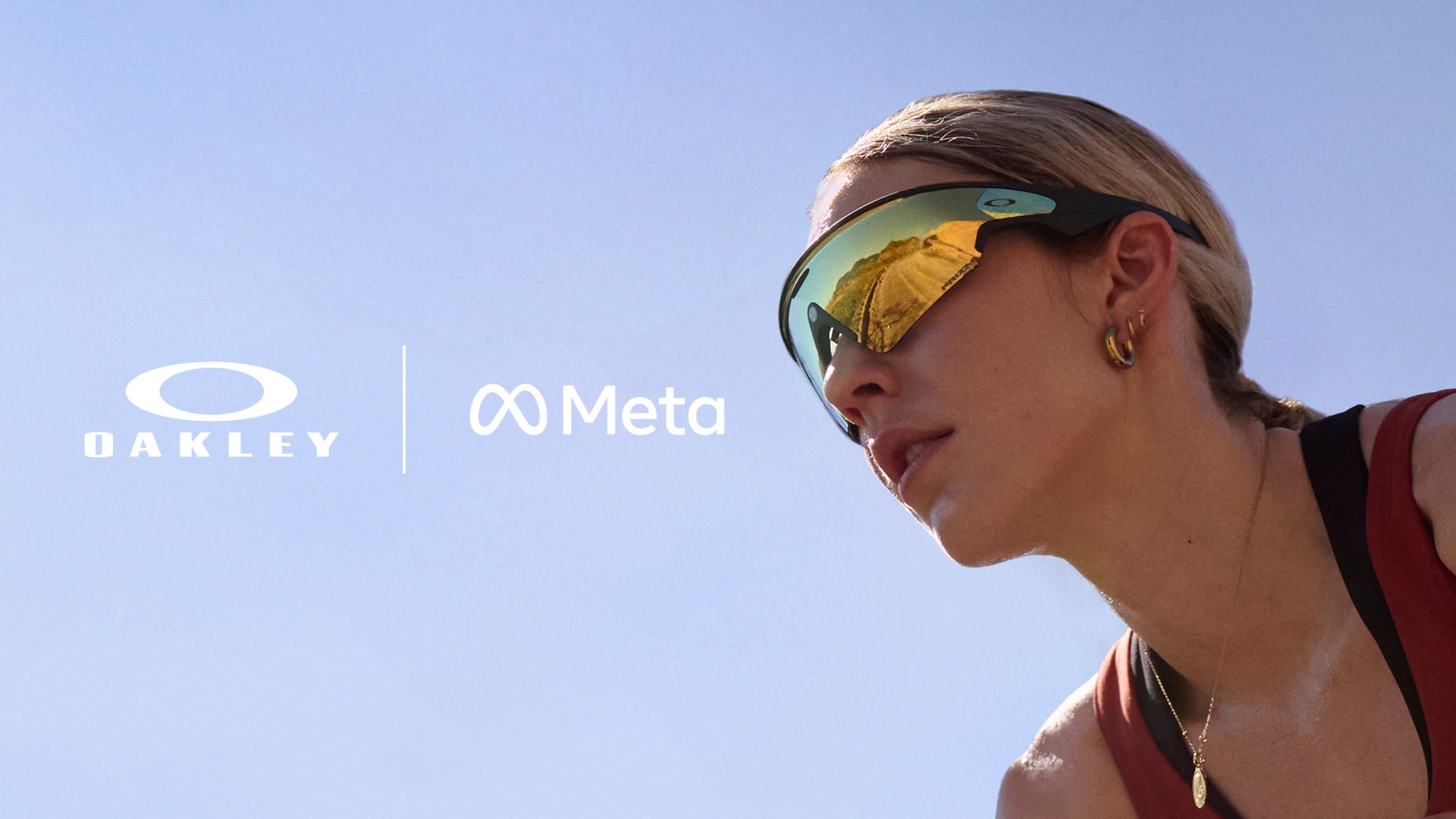
Consider the Oakley Meta Vanguard, a product that showcases Meta's hardware potential in specialized applications. While it leverages Meta's tech for performance and enterprise, its unconfirmed safety claims for industrial use underscore a broader issue. Independent validation and customization, vital for niche applications, are often constrained by proprietary systems.
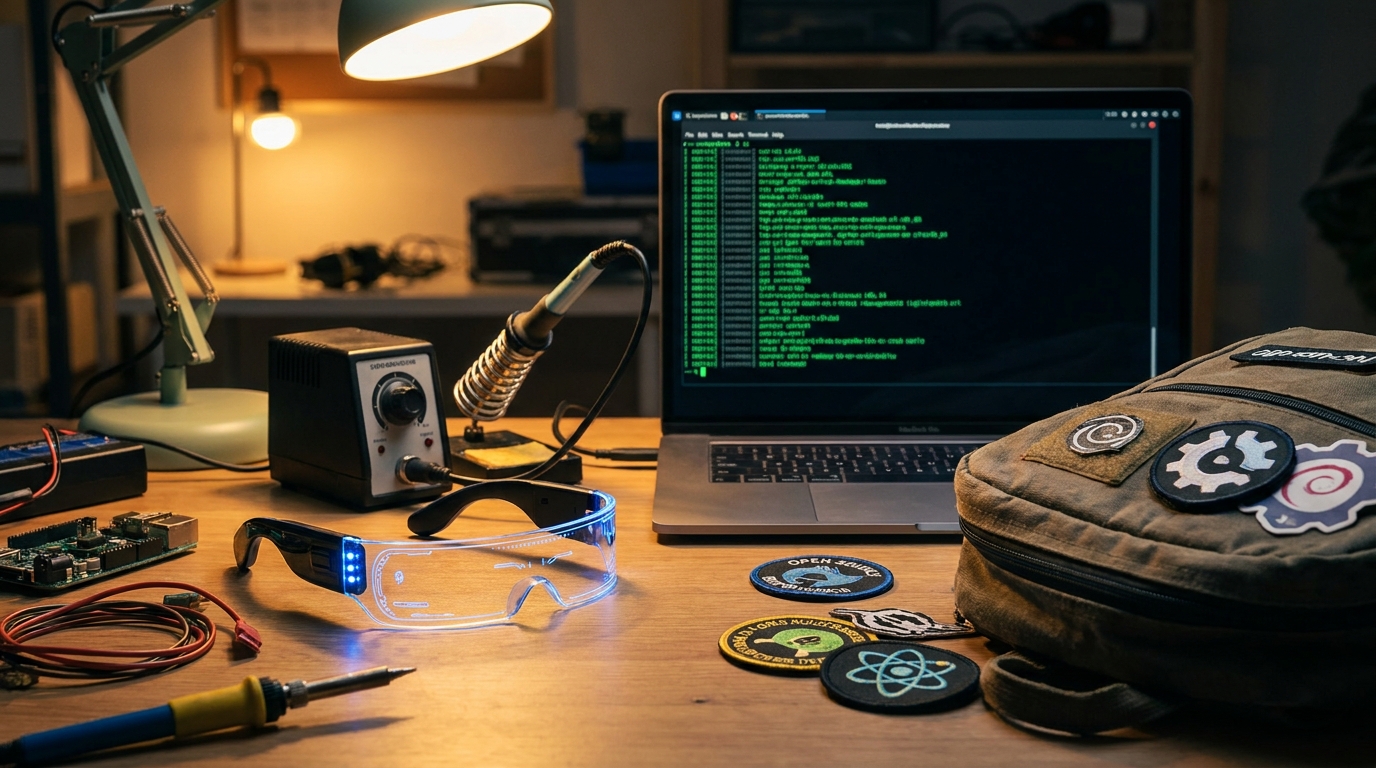
This is precisely where the opportunity for hackers and builders emerges. The real revolution in smart glasses will not be dictated by corporate roadmaps or proprietary agents like Muse. Instead, it will be catalyzed by open platforms, such as Open XR, which finally liberate AI from corporate gatekeepers.
Open platforms provide unfettered access, allowing builders to truly push the envelope of intelligent eyewear. Imagine customizing hardware, optimizing software, and creating novel applications that are impossible within the confines of a corporate ecosystem. This is the arena where genuine innovation, tailored to user needs, can thrive.
Such openness directly addresses the industry's current stagnation, characterized by 'calculated compromises' rather than genuine breakthroughs. Display-less designs and offloading processing, while framed as solutions, are often concessions to fundamental problems like battery life. Hackers on open platforms can tackle these intractable challenges head-on.
The geopolitical context further amplifies the importance of open innovation. As the USA and China vie for dominance in the smart glasses race, a strategy rooted in open, individual-led development offers a potent counter-narrative. It stands against opaque, state-backed integration, fostering transparency and user control as core tenets.
For the first time, the 'ghost in the machine' can truly become a user-controlled entity. Builders can integrate AI agents with entirely new forms of sensory input, output, and contextual awareness, bypassing the limitations of Meta's predetermined vision. This is about creating truly personalized, pervasive assistance, not just adopting a corporate standard.
The collective intelligence of a developer community, fueled by open standards, far exceeds the capacity of any single corporation. Rapid iteration, specialized tool development, and novel use cases will emerge at an accelerated pace. This decentralized approach is the engine for the next wave of smart eyewear innovation.
The year 2026 is poised to be an inflection point, not just for corporate strategies, but for the builders who shape our digital future. The power of Meta's Muse is undeniable, but the true liberation of AI on our faces will come from open systems. This is the era for hackers to build, experiment, and redefine what smart glasses can be.
Interactive guide — prices, displays, cameras, battery.
Share this story