Apps & Use Cases · Meta
Rosemont Veterans Receive Free Ray-Ban Meta Smart Glasses for Vision Loss
A Veterans Day initiative distributed Meta AI glasses to roughly 50 visually impaired veterans, highlighting the growing role of consumer hardware in accessibility.
On November 7, 2026, roughly 50 blind and visually impaired military veterans gathered in Rosemont to receive free pairs of Ray-Ban Meta smart glasses alongside specialized operational training. According to hoodline.com, the initiative took place ahead of Veterans Day, focusing on practical instruction to help recipients use the glasses' built-in camera and voice interface for everyday tasks like reading printed text and navigating unfamiliar spaces.
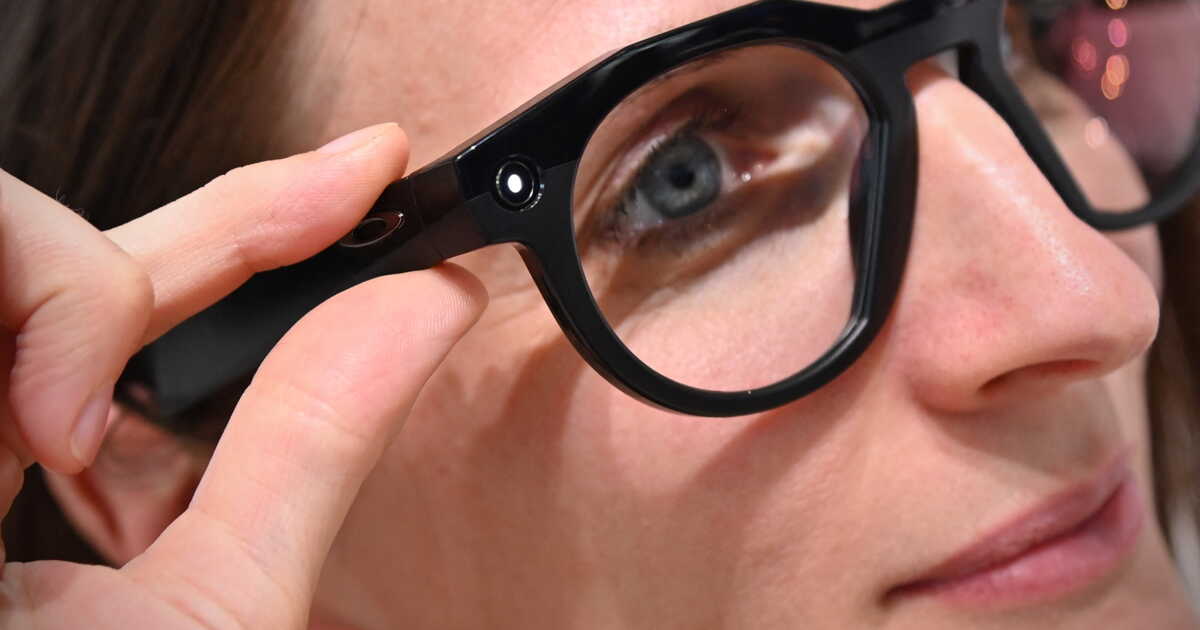
The Ray-Ban Meta frames, which start commercially at $299, rely on multimodal AI to parse the visual world. By saying 'Hey Meta, look and tell me,' wearers can prompt the system to identify objects, read street signs, translate foreign text, scan restaurant menus, and describe visual surroundings aloud through the discreet open-ear temple speakers. The glasses also integrate with volunteer networks like Be My Eyes, allowing sighted human volunteers to look through the front-facing ultra-wide camera and provide live visual assistance in complex scenarios.
For decades, assistive hardware designed for the blind community has occupied a specialized, low-volume corner of the electronics market. Standalone optical character recognition systems and clip-on vision units like the OrCam MyEye or Envision Glasses routinely retail for $2,000 to $4,000. While those specialized systems offer dedicated features and offline support, their high cost often limits distribution to well-funded vocational programs or expensive private purchases.
What this means: The migration of computer vision into mass-market consumer frames is upending assistive technology economics. When a standard $299 consumer gadget can handle basic text reading, color matching, and scene identification, the barrier to entry collapses. Furthermore, form factor matters tremendously. Many visually impaired users express a desire for assistive tools that look like ordinary eyewear rather than clinical medical equipment, and the classic Wayfarer design completely eliminates that social stigma.
How it compares: Despite the clear benefits, consumer AI eyewear is not an outright replacement for clinical white canes, guide dogs, or specialized medical sensors. Ray-Ban Meta frames lack active depth sensing, LiDAR, and offline image processing. If cellular connectivity drops or Meta's cloud servers experience latency, the visual assistant temporarily goes dark. Battery life during continuous AI vision queries also drains the device within a few hours, requiring users to rely on the charging case throughout the day.
We have been tracking how generative AI transforms smart eyewear from an audio novelty into an essential daily utility. Programs like the one in Rosemont prove that practical accessibility, not gaming or social media capture, is proving to be the most immediate and impactful real-world application for camera-equipped smart glasses.
Interactive guide: prices, displays, cameras, battery.
Share this story