Manufacturer News · Rollme
Rollme ProView Challenges Smart Glass Pricing with $99.99 Debut
Rollme enters the smart glasses market with the $99.99 ProView, pairing a Sony camera sensor with live translation to undercut mainstream rivals.
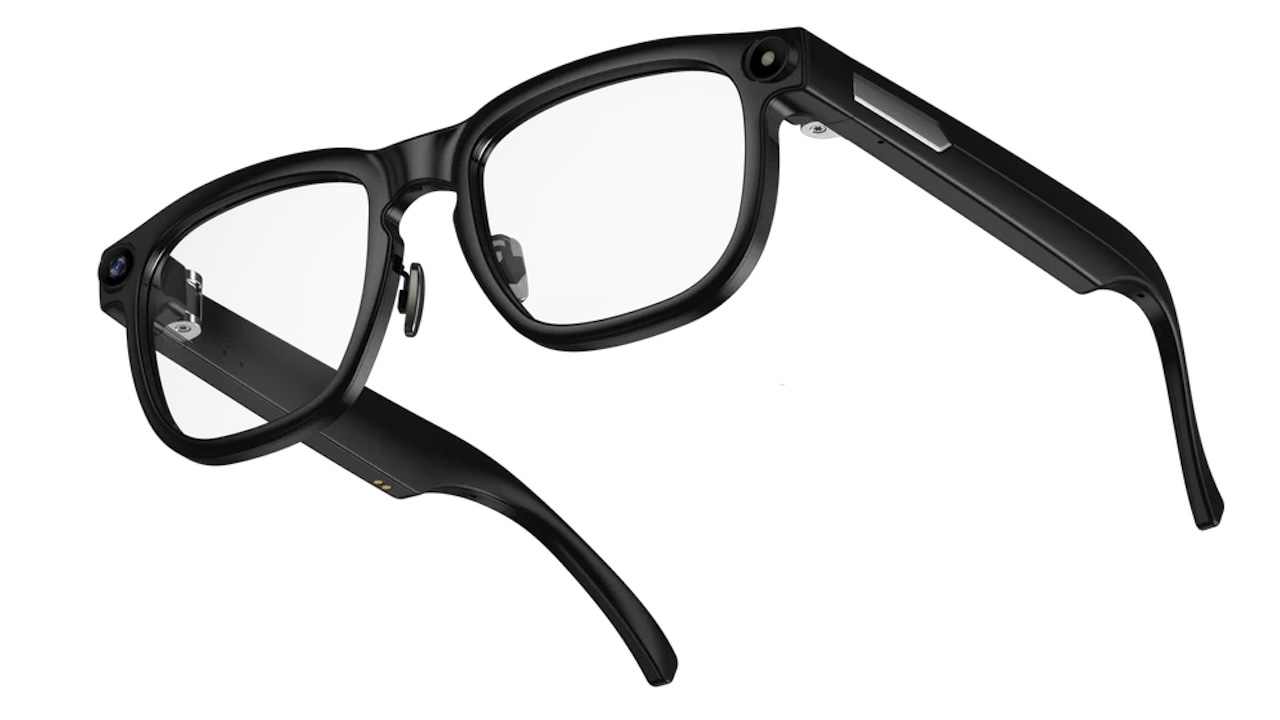
On August 20, 2026, wearable hardware maker Rollme introduced the ProView smart glasses, entering the connected eyewear segment with an aggressive 99.99 dollar retail price. Combining an integrated 12MP Sony camera sensor with artificial intelligence live translation, the device targets budget-conscious buyers who want hands-free point-of-view recording without paying typical flagship prices. The launch represents one of the lowest entry prices yet for camera-equipped smart glasses from an established budget hardware brand.
Hands-free capture remains the primary selling point for the form factor, allowing users to record video or snap photos without fishing a smartphone out of their pockets. Rollme places a 12MP Sony sensor at the heart of the ProView frame. However, as The Gadgeteer points out, a respected component supplier and a high megapixel count do not guarantee sharp imagery on their own. In wearable tech, physical sensor dimensions, lens quality, optical stabilization, exposure algorithms, and video compression play far larger roles in determining the final image quality. Without robust image processing, budget camera glasses often struggle in mixed lighting conditions.
Alongside visual capture, Rollme is marketing real-time AI translation to broaden the device's everyday utility. Performing live speech translation through eyewear requires tight hardware and software coordination, including sensitive microphones to capture speech and open-ear audio speakers to relay audio back to the wearer. In budget devices, these features generally rely on a Bluetooth connection tethered to a companion mobile application, which offloads natural language processing to cloud servers. How smoothly Rollme handles network latency and acoustic isolation will determine whether the translation tool feels practical or frustrating in real-world environments.
The 99.99 dollar price creates an intriguing competitive dynamic against market incumbents. Category benchmarks like the Ray-Ban Meta line start at 299 dollars, backed by custom Qualcomm chipsets, polished companion software, and extensive social media integration. Other smart frames typically sell for twice Rollme's asking price while omitting cameras altogether. By pricing the ProView under 100 dollars, Rollme is betting that many consumers simply want basic point-of-view recording and lightweight AI assistance without paying for designer branding.
Critical questions remain unanswered until retail units reach reviewers and everyday users. As The Gadgeteer notes, because the glasses have not faced independent testing, real-world camera performance, translation speed, chassis ergonomics, and true battery longevity remain unconfirmed. Eyewear engineering involves steep thermal and spatial constraints. Small batteries tucked inside temple arms must power high-drain image sensors and continuous wireless data transfers without making the frames uncomfortably warm or overly heavy on the nose bridge.
Our take: The ProView illustrates that the foundational hardware for camera-enabled smart eyewear is commoditizing rapidly. Premium players will continue to lead on industrial design, audio acoustics, and sophisticated multimodal AI models, but sub-100-dollar frames will inevitably expand the category's footprint. If Rollme can deliver passable image fidelity and dependable companion software, the ProView will show that casual point-of-view capture no longer requires a 300-dollar investment.
Interactive guide: prices, displays, cameras, battery.
Share this story