Reviews · Rokid
Rokid AI Glasses Review: Discrete Waveguide Display Meets Battery Reality
Rokid puts a heads-up display, camera, and multimodal AI into a regular 49g frame. While the hardware impresses, real-world runtime shows early-adopter friction.

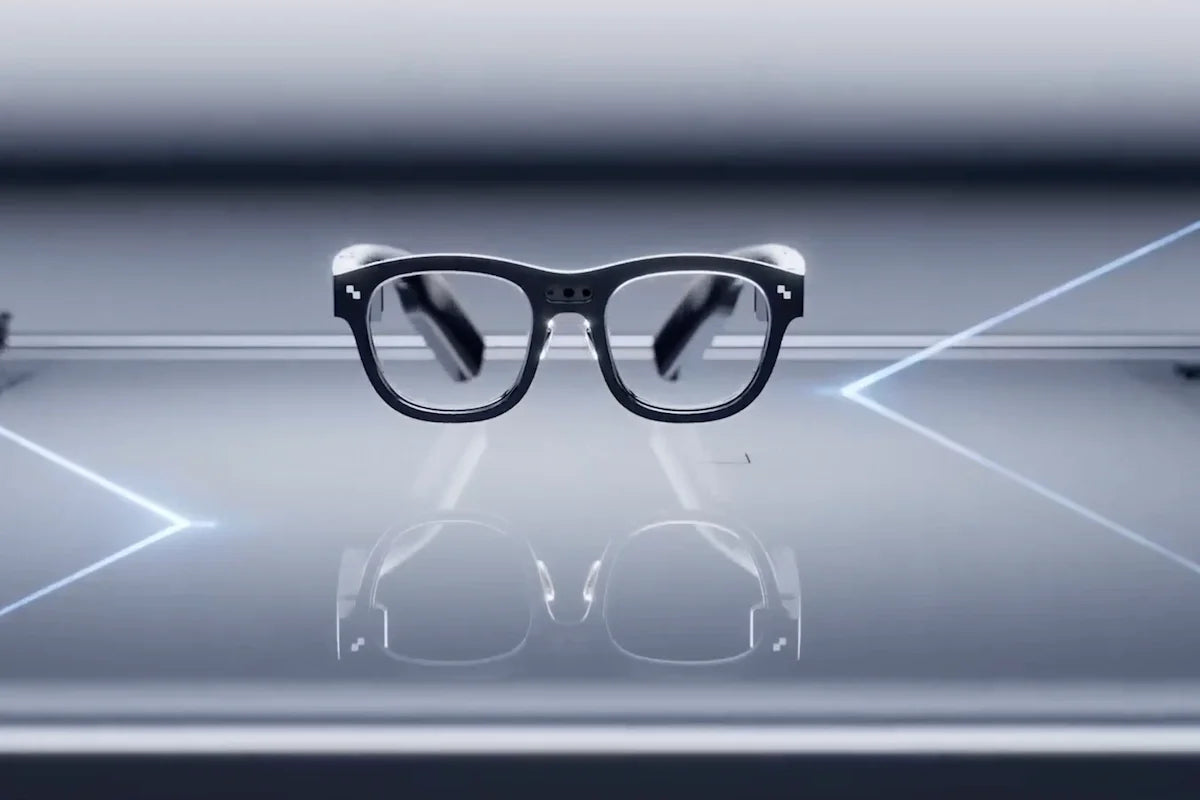
Published on November 18, 2026, a comprehensive hardware review by French tech publication Rotek (FR) breaks down the everyday reality of the Rokid AI Glasses. Priced around 700 euros in Europe and distributed across France through retail networks like Fnac and optical chain Krys, Rokid's flagship wearable takes direct aim at screenless smart eyewear by stuffing a monochrome green micro-LED waveguide display, a 12-megapixel camera, and onboard artificial intelligence into a frame weighing just 49 grams.
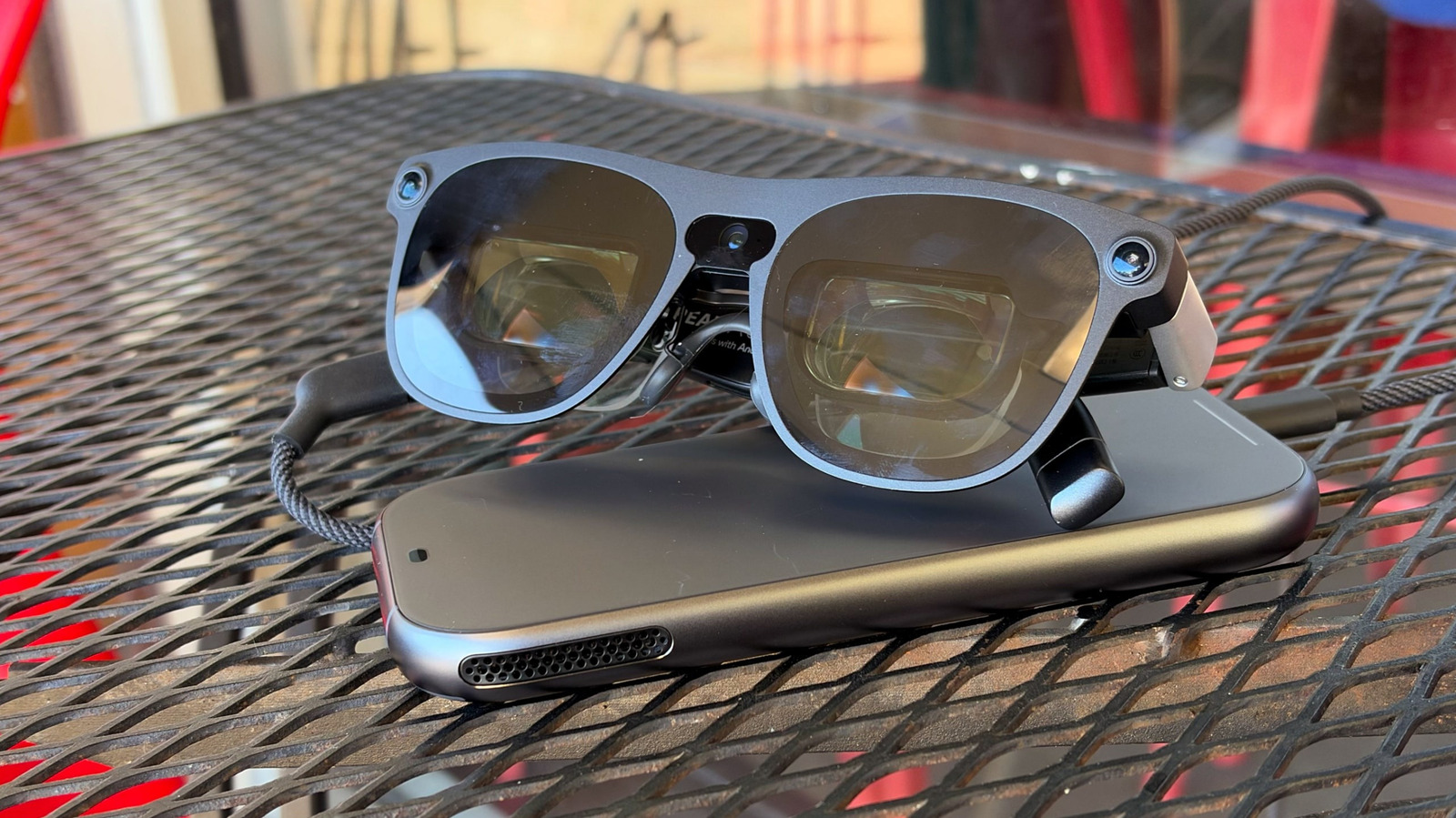
Form factor is where the glasses score their biggest initial victory. Rotek (FR) emphasizes that at a glance, the frames convincingly mimic standard Wayfarer sunglasses, sparing users the awkward social gaze typical of bulky spatial hardware. The reviewer notes that on the nose, the frames feel remarkably comfortable, quickly letting users forget they are balancing a fully functional computer on their face. Under the hood, processing is split between Qualcomm's Snapdragon AR1 chip and a power-sipping NXP RT600 co-processor, backed by 2GB of RAM and 32GB of local flash storage.
The optical system delivers mixed results in everyday wear. As Rotek (FR) reports, the twin waveguide micro-LED displays pump out an advertised 1,500 nits across a 30-degree field of view, keeping green text legible under direct sunlight. Features like real-time teleprompting and live speech translation across dozens of languages perform well in testing. However, Rotek (FR) observes a major aesthetic drawback: whenever the display engages, noticeable green reflections leak through the lenses, tipping off bystanders depending on their viewing angle.
Battery performance remains the clearest reminder of physics pushing back. While promotional materials suggest up to eight to ten hours of mixed standby, real-world active usage tells a different story. In Rotek (FR)'s testing, the onboard 210 mAh battery tapped out after roughly 3.5 to 4 hours of continuous use. Heavy users must rely on an optional external battery case to survive a standard workday, and the reviewer criticizes an exposed charging connector and a smudge-prone glossy plastic finish, alongside an iOS companion app that feels less polished than its Android counterpart.
Software integration, however, offers rare flexibility. Rather than locking users to a single proprietary assistant, Rokid allows owners to switch between Alibaba's Qwen, OpenAI's ChatGPT, and Google's Gemini models. Rotek (FR) found the open-ear dual speakers and quad-microphone array surprisingly capable in noisy outdoor environments, providing crisp audio pickup for voice prompts and dependable hands-free playback.
Our take: The Rokid AI Glasses capture the current tension defining everyday consumer smart eyewear. Waveguide displays with monochrome green engines are currently the only viable way to achieve a standard glasses silhouette without cooking the user's temples. But sacrificing color and accepting light leakage are high trade-offs for a 700-euro accessory, especially when screenless alternatives from Ray-Ban and Meta offer full-day battery and mature operating systems at half the price.
What this means for prospective buyers is simple: treat this first wave as an ambitious developer preview rather than an indispensable daily driver. Rotek (FR) explicitly advises on-the-fence shoppers to exercise caution, particularly with a second-generation hardware revision already looming on the horizon to address thermal throttling and optical leakage. If your workflow desperately relies on an invisible teleprompter or instant translation right now, the hardware delivers. For everyone else, waiting for the silicon and optical stack to mature another generation remains the smarter play.
Interactive guide: prices, displays, cameras, battery.
Share this story