Reviews · Meta
Ray-Ban Meta Gen 3 Review: Minor Upgrades at Luxury Prices
Meta's third-generation Ray-Ban frames add new styles and an Action button, but steep price tags and minor performance gains make them a tough sell.

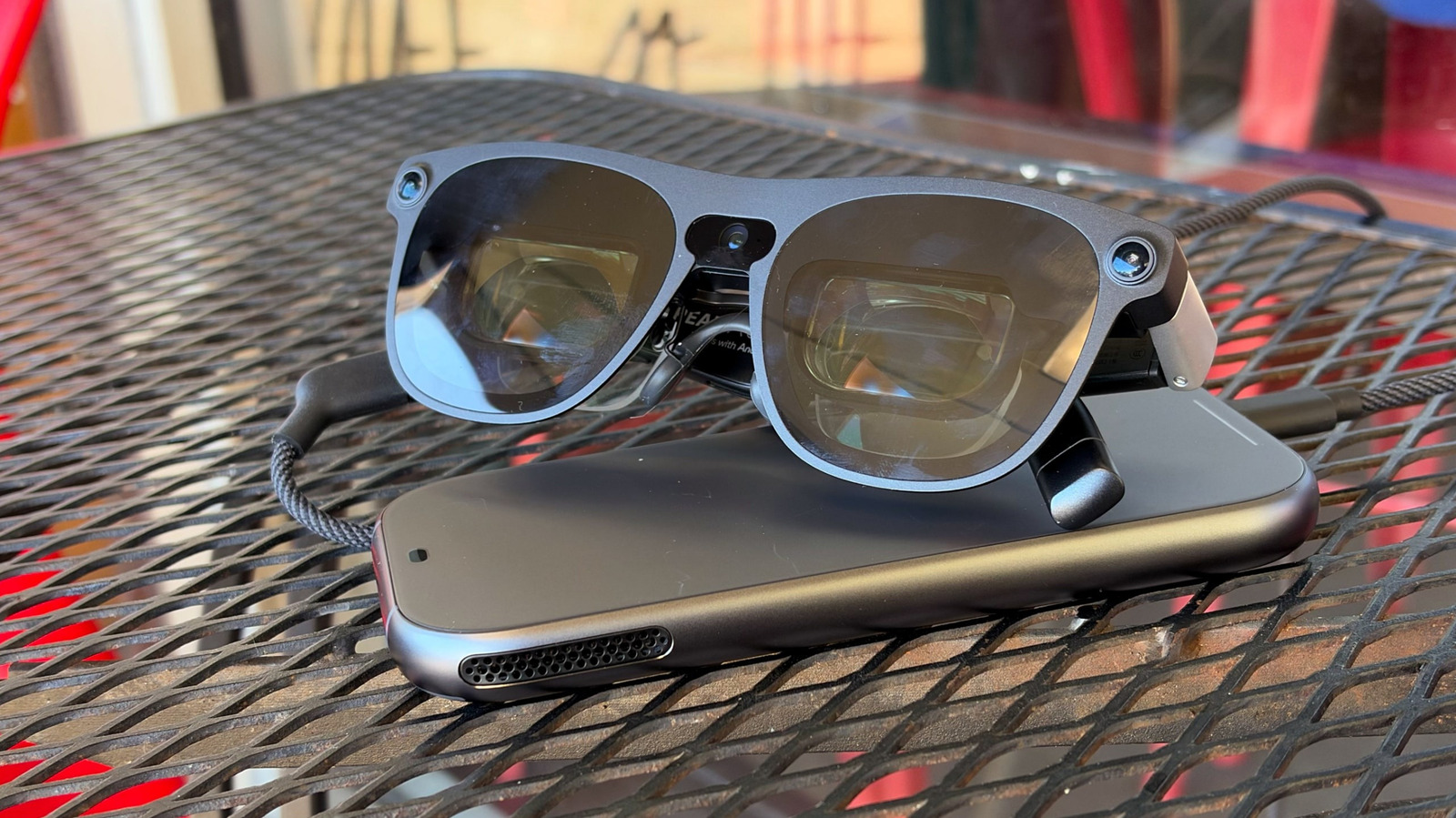
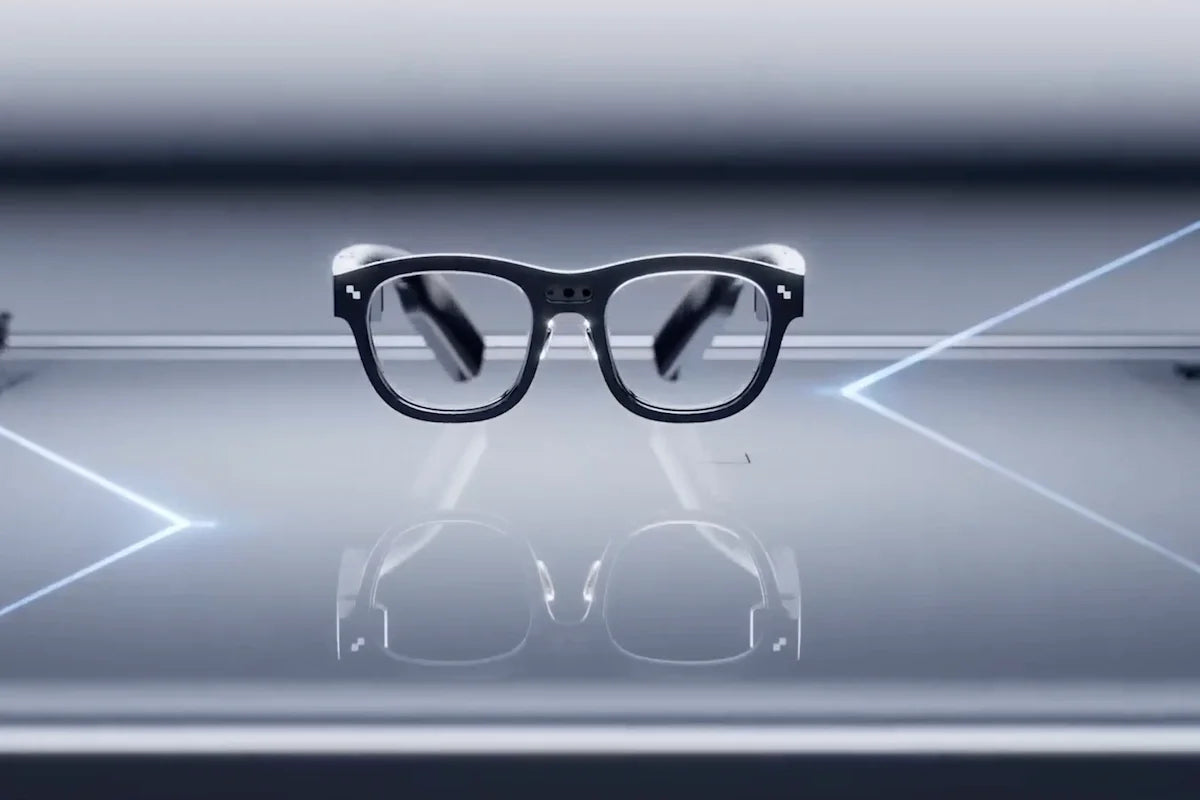
On November 20, 2026, engadget.com published its review of the third-generation Ray-Ban Meta smart glasses, testing whether the updated flagship justifies its premium tier. Meta has expanded its hardware portfolio significantly with entry-level frames, audio-focused specs, and first-party spatial hardware. In that broader lineup, the Ray-Ban Meta Gen 3 frames carry the torch for displayless luxury AI eyewear, starting at $449 for the updated Wayfarer.
The third-generation release brings slight cosmetic tweaks, including a marginally slimmer Wayfarer profile alongside two brand-new silhouettes: the cat-eye Zena and a heritage-inspired Aviator. Both new designs arrive with semi-transparent frame options that subtly reveal internal circuitry. However, engadget.com reviewer Karissa Bell highlights a jarring pricing structure: opting for either the Zena or Aviator shapes bumps the base price from $449 up to an eye-watering $529, an $80 premium over the classic Wayfarer.
Testing the Havana tortoiseshell Aviators, Bell reported significant usability and ergonomic frustrations. The Aviators measure 10 millimeters wider than the smallest Gen 3 Wayfarer, resulting in an oversized appearance that felt awkward when paired with default clear lenses. More critically, Bell noted that the bulky frames continually slipped down her nose during daily use. While the temple tips can technically be adjusted, Meta requires users to visit an optical shop or physical Meta retail store for fitting, omitting the do-it-yourself adjustments available on some of the company's other smart frames.
Beyond cosmetic changes and fit quirks, functional upgrades over the Gen 2 generation remain modest. Battery life receives a slight bump, but the most tangible daily addition is a physical Action button inherited from other recent Meta devices. As Bell details, this tactile switch provides a customizable shortcut to bypass voice commands, allowing users to trigger designated tasks like reading recent text messages or launching quick Meta AI queries with a single tap.
Our take: Meta is running into the classic challenge of luxury consumer electronics. When a prior-generation frame already delivers competent audio, sharp camera capture, and snappy assistant queries, charging $449 to $529 for minor ergonomic shifts and an Action button is a tough sell. Unless you desperately want the Aviator aesthetic and have the facial structure to support it, the Gen 3 Ray-Bans struggle to justify the price bump over discounted previous-generation inventory or Meta's own lower-cost alternatives.
Meta's smart glasses ecosystem continues to mature rapidly, but product differentiation is becoming muddy. By spreading features across budget frames, audio-only variants, and high-end designer partnerships, Meta risks diluting the prestige of its Ray-Ban collaboration. For early adopters and everyday users alike, Gen 3 represents an incremental refinement rather than a compelling generational leap, proving that even market-leading hardware can stumble when the pricing outpaces the innovation.
Interactive guide: prices, displays, cameras, battery.
Share this story