News · Meta
Meta's Muse AI Hits Smart Glasses, Promises Proactive, Agentic Assistance
This week, Meta unveiled Muse, a personal AI agent integrating with its smart glasses lineup. The company aims for Muse to transform its eyewear into a proactive assistant, leveraging secure virtual machines and the new multimodal Muse Spark model.
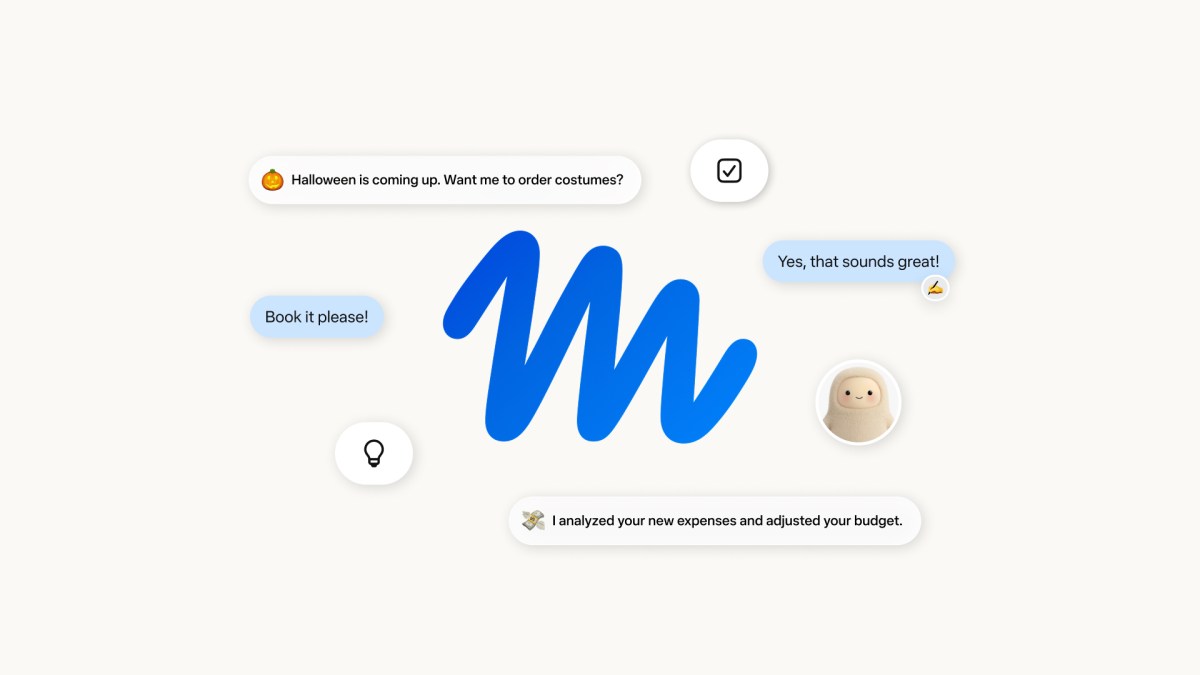
This week, Meta announced Muse, its new personal AI agent, is expanding beyond mobile devices and browsers to integrate with the company's smart glasses. During its Connect 2026 presentation, Meta positioned eyewear as the optimal interface for an assistant that can leverage ambient audio, camera context, and screen-free accessibility.
Meta states that Muse is designed to translate long-term objectives into actionable plans, manage personal schedules, facilitate purchase research, and execute complex multi-step tasks. In its smart glasses, Meta showcased Muse providing fitness coaching, meal logging, setting reminders, and offering contextual support. The company notes that feature availability and specific support will depend on the eyewear model, geographical region, and phased rollout.
The core of Muse is Muse Spark, Meta's multimodal model engineered for agentic capabilities. Unlike traditional prompt-response systems, Meta explains that Muse Spark can utilize various tools and websites to complete user-approved tasks. Furthermore, Meta indicates users will have the option to customize Muse's personality and voice.
Addressing privacy concerns for sensitive interactions, Meta introduced Muse Secure VM. The company characterizes this as an isolated cloud-based virtual machine, provisioned for a single task and subsequently deleted. Meta states users can monitor and halt ongoing actions, proposing this as a privacy framework for activities involving personal accounts, financial transactions, and sensitive data.
Video: Meta
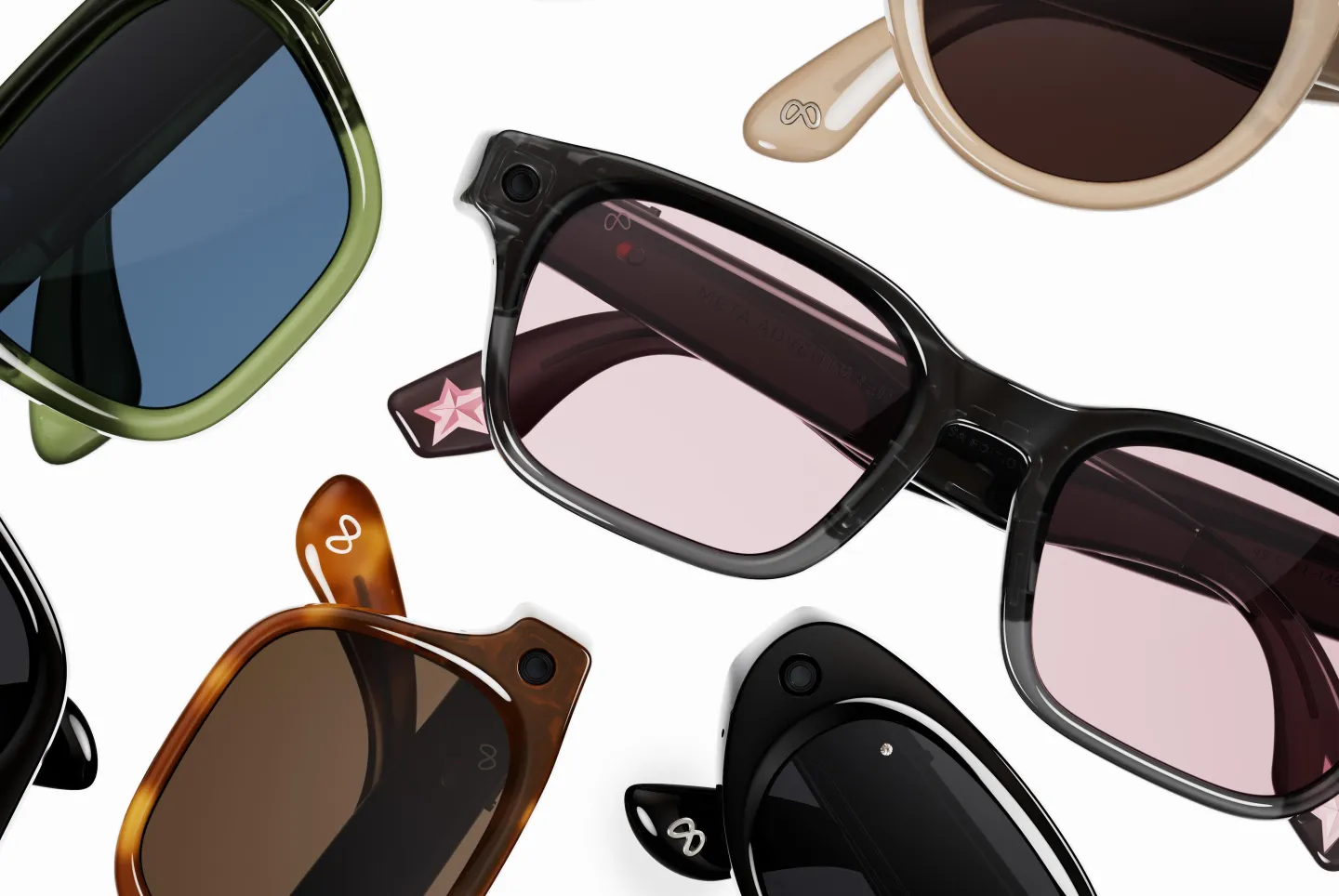
Meta intends to integrate Muse across its AI glasses lineup, including Ray-Ban Meta Audio and Ray-Ban Meta Gen 3 models. Screen-less variants will deliver responses via open-ear speakers, while camera-equipped models can incorporate visual context. Meta specifies that this integration will be a progressive rollout, not a single, comprehensive feature update.
During the Connect keynote, Mark Zuckerberg described Muse as "the centerpiece of our vision for what we're building."
Our take: This statement underscores a significant strategic shift. Meta is pivoting its smart glasses from primarily being capture devices to serving as a wearable interface for an active, agentic AI service. This moves beyond simple voice commands into proactive assistance.
What this means: Implementing an AI assistant with the ability to initiate purchases, make bookings, or alter plans introduces critical considerations regarding user consent, robust error recovery mechanisms, and operational transparency. While smart glasses facilitate easier access to such a powerful AI, they inherently do not mitigate these inherent risks.
Interactive guide — prices, displays, cameras, battery.
Share this story