Analysis · —
Always-On AI: The Display-First Revolution Powering Your Next Assistant
While Meta's camera-first Ray-Ban AI glasses face privacy backlashes and thermal meltdowns, a new breed of display-centric, autonomous eyewear is quietly leading the charge. The future of intelligent assistance is subtle, always-on, and directly on your face.
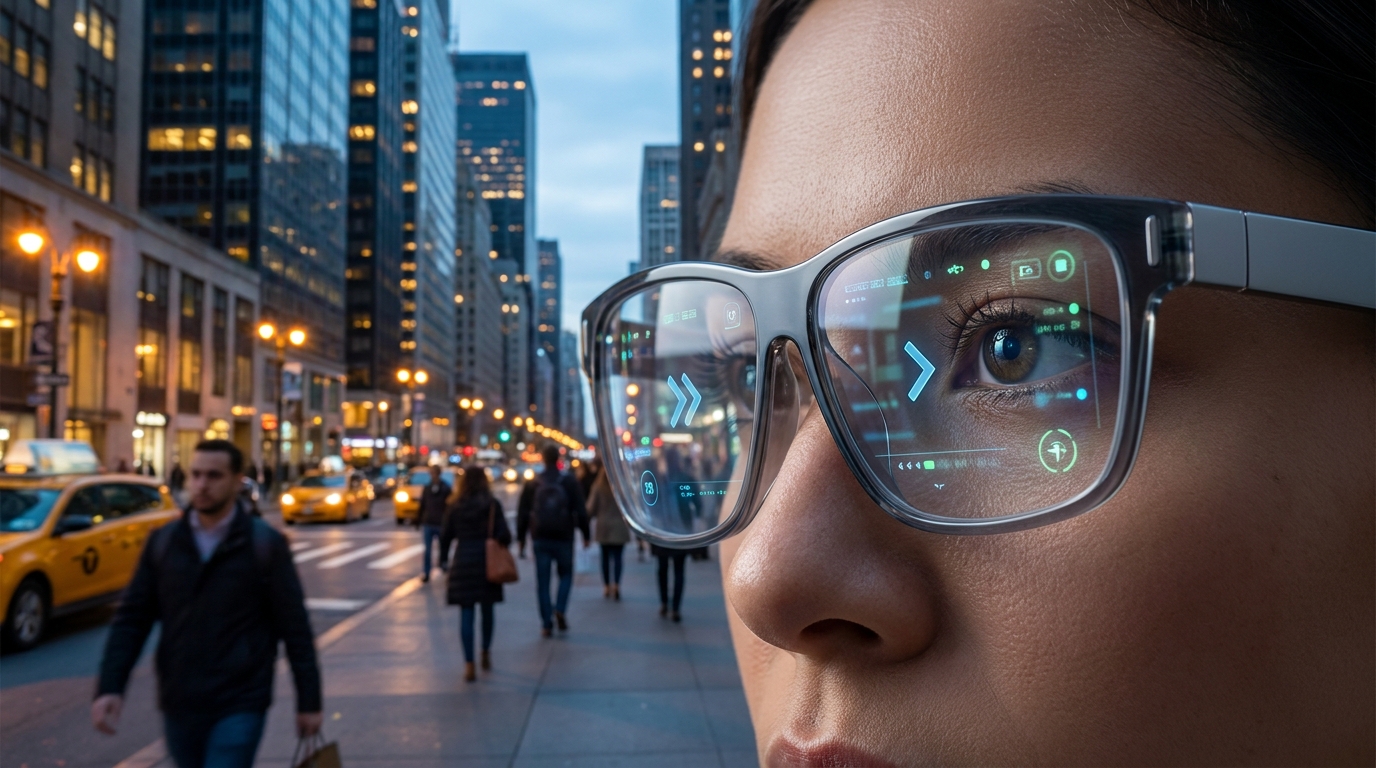
The smart glasses market, despite Meta's aggressive expansion and dominant 81.3 percent market share in the first half of 2026, is at a critical inflection point. Meta's strategy, centered on always-on recording capabilities in its Ray-Ban AI glasses, built a market lead but also created a privacy nightmare. This approach, while commercially successful in terms of unit shipments, fundamentally misunderstands the true promise of an always-on AI assistant in your eyewear.
The privacy backlash against Meta's camera-first wearable has been intense and persistent. Incidents like egregious covert recording against individuals, as reported in India, underscore the profound societal cost of prioritizing surveillance over utility. This scrutiny has reportedly forced Meta into a 'display-less retreat' for some models, a clear sign that the public is rejecting the idea of glasses as a constant, discreet recording device.
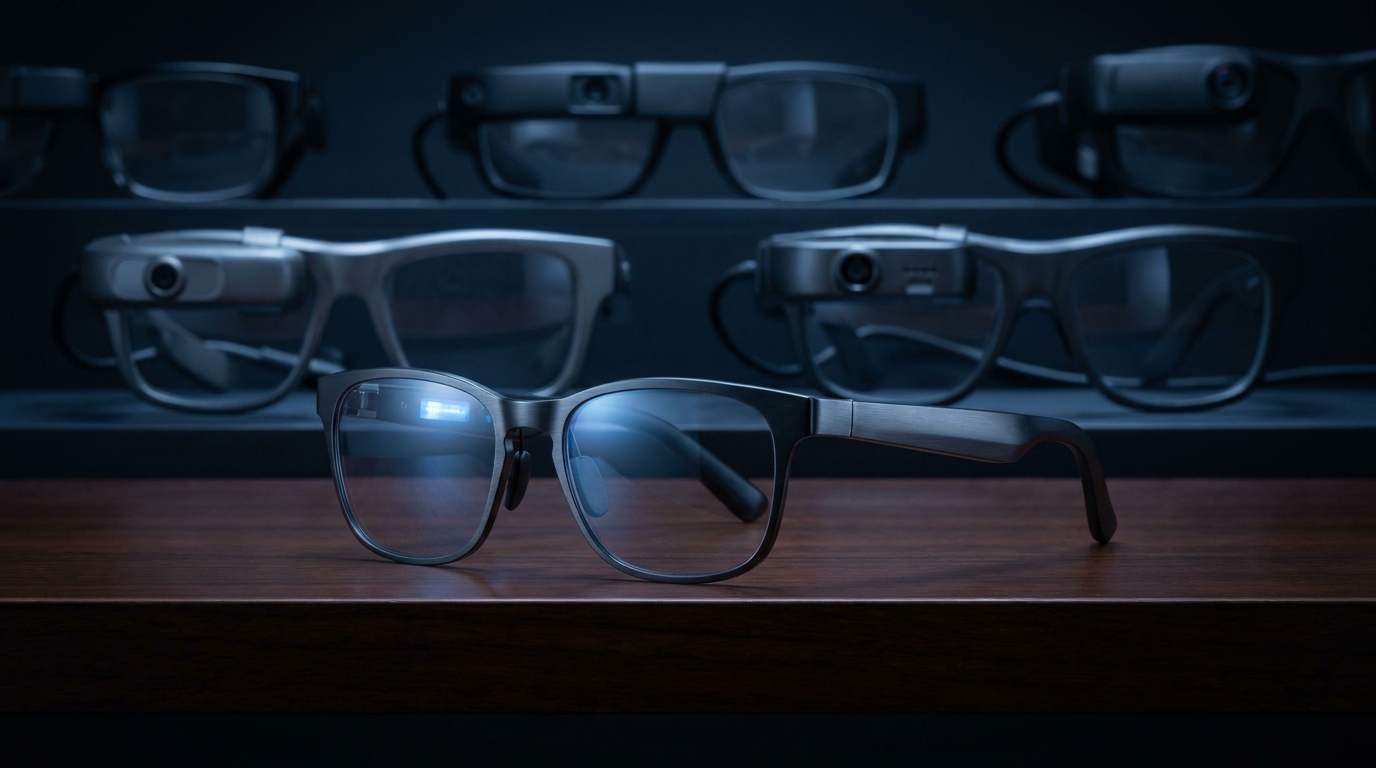
Beyond privacy, the technical challenges of cramming powerful AI into a compact, always-on form factor are proving significant. The recent recall of INMO Smart Glass AIR3 devices, due to overheating temples and a potential burn hazard, highlights this critical issue. Any device designed for continuous wear and processing, especially one housing powerful components close to the skin, demands robust thermal management, a hurdle many current designs are struggling to clear.
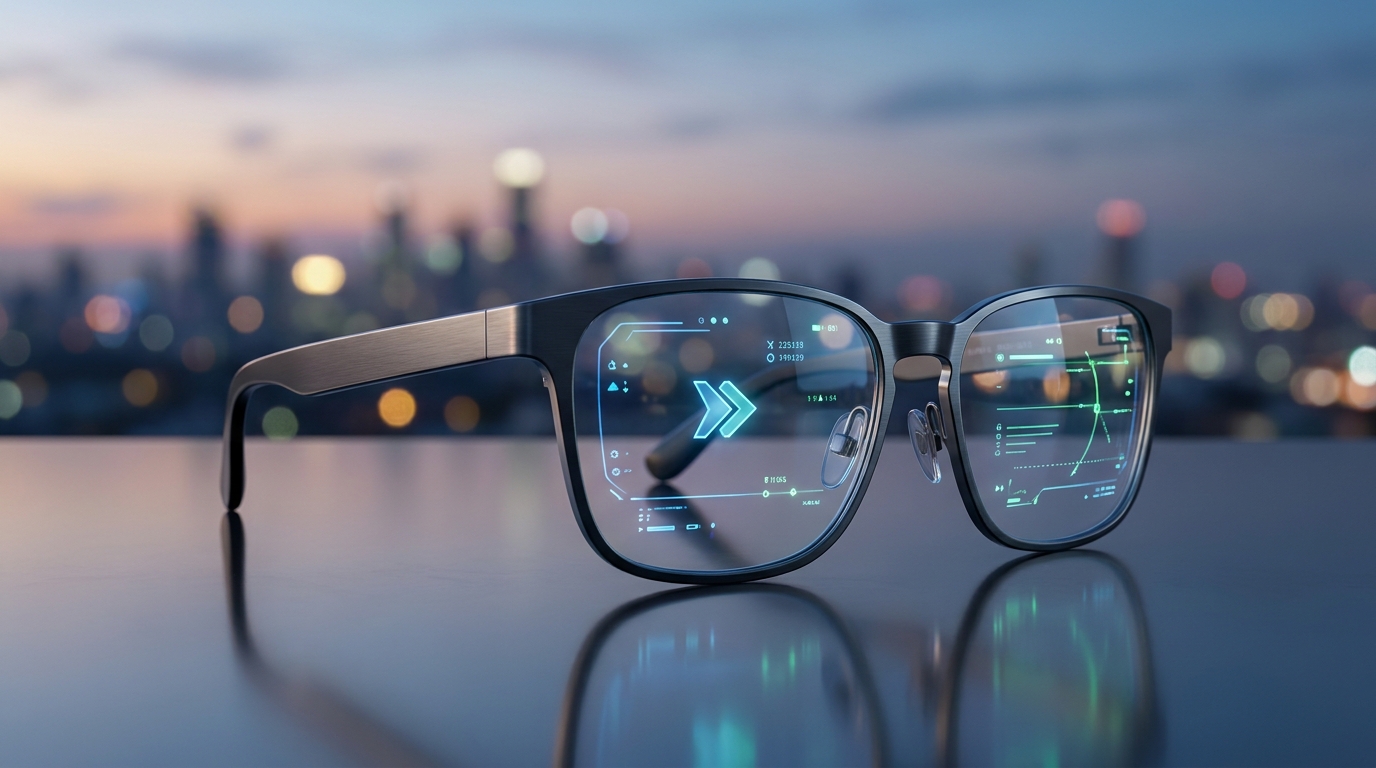
For an AI assistant to be truly 'always-on' and useful, it must deliver information, not just capture it. This is where the 'display-first augmentation' movement is quietly gaining ground. Brands like RayNeo, XREAL, and Rokid are not fixated on surveillance; they are focused on perfecting practical AR displays and delivering compelling visual experiences.
This shift is being supercharged by the rise of Android XR. Positioned as an 'unsung hero' and 'open-source juggernaut,' Android XR is democratizing access to smart glasses development and accelerating innovation across the ecosystem. It provides the standardized, open platform necessary for developers to build diverse, sophisticated always-on AI experiences that can actually manifest visually.
Xreal's Aura smart glasses, debuting at IFA Berlin and developed with Google and Qualcomm, are a prime example of Android XR's potential. Featuring dual Sony Micro-OLED panels, the Aura aims to finally deliver a comprehensive, display-equipped Android XR experience. This moves beyond the audio-only devices or bulky VR headsets that have defined Android's extended reality efforts until now.
Hardware innovation is also crucial for a truly seamless, always-on AI assistant. Snap's new Specs, which are now open for pre-order, represent a significant leap by integrating all computing power directly into the temples. This 'fully autonomous AR' design eliminates external body packs, cables, or smartphone tethering, reducing friction and enabling the continuous wear essential for an always-present AI.
Meta's reported 'display-less retreat' is not just a tactical adjustment; it is an admission of a fundamental miscalculation. While Meta continues to aggressively expand distribution with partners like SoftBank in Japan and new retail footprints like the Texas AI Glasses Lab, its core product philosophy is proving unsustainable. The market is evolving beyond camera-heavy wearables that ignite privacy fears.
The core difference is clear: we are moving from glasses that merely record your life to glasses that proactively enhance it. Meta's 'AI glasses' are primarily about capturing your perspective; the next generation of smart eyewear is about providing you with ambient intelligence. A truly always-on AI assistant interprets your context and delivers relevant information discreetly, visually, and without explicit prompting.
Imagine a world where quick information, subtle navigation cues, or real-time language translation appears directly in your line of sight, without ever pulling out a phone. This vision of seamless, ambient intelligence is the promise of an always-on AI assistant in your eyewear. It represents a profound shift in how we interact with information and the digital world.
The battle for the future of smart glasses is, therefore, a battle between philosophies: Meta's closed, camera-first 'walled garden' versus the open, display-first ecosystem championed by Android XR and innovative hardware makers. The latter is fostering the diversity and functionality required for AI assistants that are truly integrated and helpful, rather than intrusive.
The rise of the always-on AI assistant in eyewear is not a distant fantasy; it is rapidly becoming the dominant paradigm. As hardware thermal issues are overcome, and open platforms like Android XR mature, we will see an explosion of display-first glasses. These devices will deliver genuinely intelligent, unobtrusive assistance directly to our faces, changing how we perceive and interact with our world every moment of every day.
Interactive guide — prices, displays, cameras, battery.
Share this story