
News · Meta
Meta's AI Glasses Reign Faces Privacy Backlash, Market Diversifies
Global AI glasses shipments surged 127 percent in early 2026, but Meta's camera-centric dominance is facing a backlash as camera-free rivals gain ground.
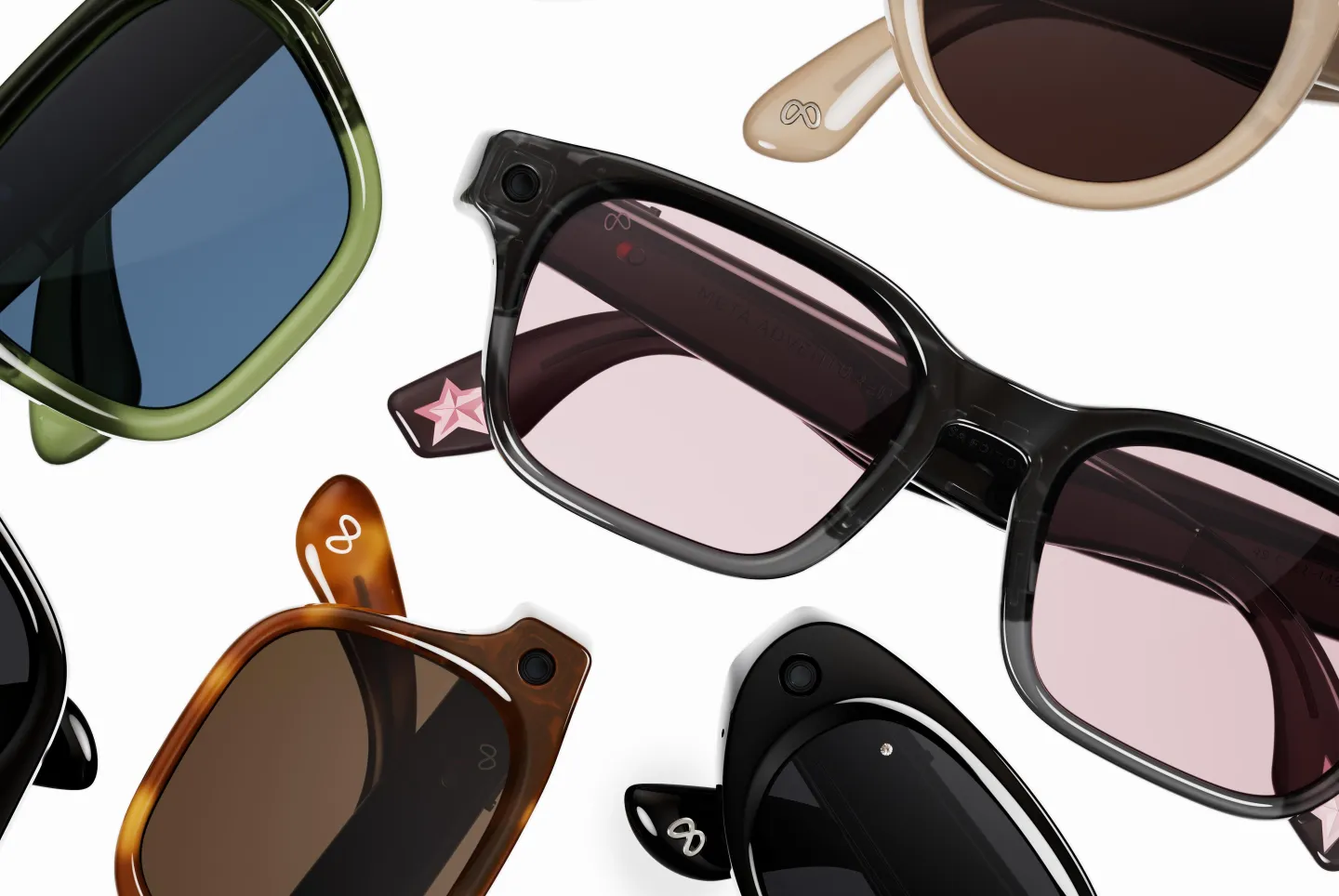
On September 26, 2026, market research firm Omdia released shipment figures showing global AI glasses shipments reached 4.2 million units in the first half of 2026, a 127 percent surge compared to the same period in 2025. The data confirms an explosive growth trajectory for the fledgling wearable category, even though first-half volumes dipped from the 6.5 million units shipped during the holiday-heavy second half of 2025. Across the entire sector, one player reigns supreme: Meta accounted for an overwhelming 3.4 million shipments, capturing an 81.3 percent global market share.
Meta's commanding footprint translates to more than four out of every five AI glasses shipped worldwide. According to reporting from BlogNT : le Blog des Nouvelles Technologies, the tech giant built its massive lead on a straightforward product formula powered by Meta AI. Rather than overwhelming users with complex optical overlays, Meta focused on immediate everyday utility: capturing hands-free photos and videos from an authentic point of view, streaming open-ear audio, and answering voice queries through an integrated multimodal assistant.
As Omdia senior analyst Qiran Ju highlighted in the research, the hardware delivers clear, instant consumer value that smartphones cannot easily match. The front-facing camera serves as the central anchor of that experience, letting wearers document exactly what they see without pulling a handset from their pocket. Yet, that identical hardware feature is rapidly morphing into the industry's biggest friction point. In public environments, bystanders frequently remain uncertain whether glasses are recording, how long footage is retained, or where that visual data ultimately travels.
That tension has triggered calls for tighter industry standards. As Omdia research director Jason Low argued, manufacturers must communicate far more transparently about how always-accessible sensors operate. Low stressed that brands need to specify exactly what cameras record, define how captured footage gets handled by internal models, and provide rock-solid safeguards regarding third-party data sharing. Meanwhile, the privacy debate is actively carving the market into two distinct philosophies. Even Realities has climbed into the second-place spot globally by taking the exact opposite route, offering minimalist smart frames designed entirely without cameras or traditional speakers.
What this means: Meta's early bet on social capture and voice assistance has paid off with massive volume, but hardware cameras remain a double-edged sword. Even Realities proving viable in the runner-up position demonstrates genuine enterprise and consumer appetite for discreet heads-up computing that bypasses surveillance anxieties entirely. As regulatory scrutiny mounts in Europe and North America, camera-equipped models will face harsher public pushback and indoor restrictions. Meta may dominate the current sales charts, but the future of smart eyewear will not belong exclusively to camera frames.
Interactive guide: prices, displays, cameras, battery.
Share this story





