Analysis · —
The Open Frontier: Why Android XR Is the True Playground for Smart Glasses Hackers
Meta's privacy woes have cracked open a door. Now, Android XR and open-source smart glasses are poised to redefine what independent builders can achieve, unburdened by corporate gatekeepers.

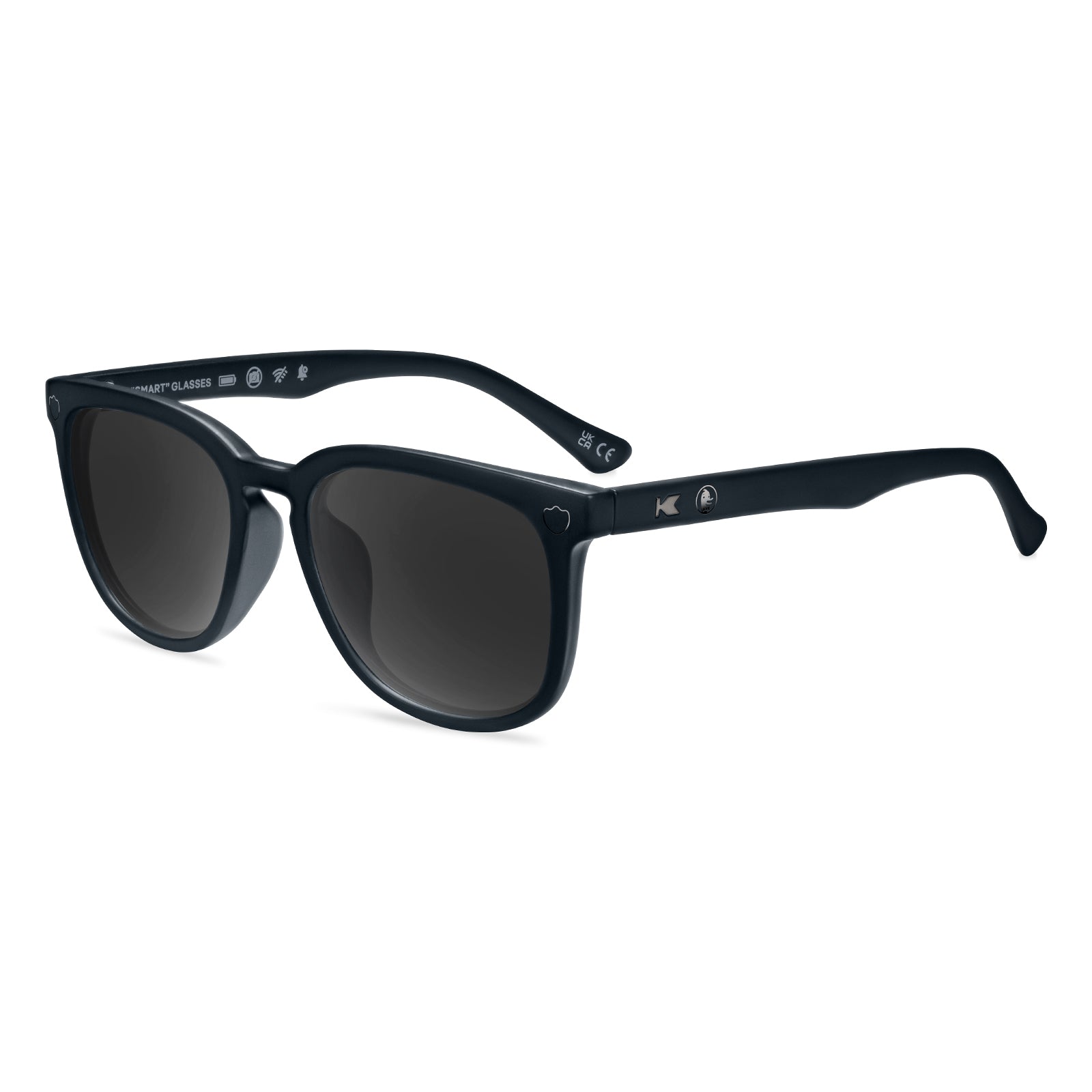
The smart glasses market is a battleground, frequently polarized between surveillance fears and genuine utility. DuckDuckGo's defiant 'Normal F***ing Sunglasses' perfectly encapsulate the public's jaded view of camera-first devices like Ray-Ban Meta glasses. This prevailing sentiment, ironically, cultivates fertile ground for a new generation of hackers and builders.
Meta's initial dominance was built on camera-centric Ray-Ban AI glasses, but this 'walled garden' approach proved problematic. It has been plagued by persistent privacy backlashes and thermal management issues, as highlighted in numerous analyses. For independent developers, this ecosystem offers little freedom for true innovation.
Notably, Meta itself is pivoting from its camera-first fixation. The introduction of the Ray-Ban Meta Audio glasses, which entirely ditch the camera for audio-only interaction, signifies a strategic retreat. This shift acknowledges the market's demand for less intrusive, more discreet wearables, a sentiment echoed by Rokid's voice-focused models arriving in France.
This is precisely where the true opportunity for independent builders emerges. Android XR, increasingly hailed as the 'unsung hero for smart glasses hackers,' represents a fundamentally different paradigm. It is an open platform explicitly designed for experimentation, not corporate lock-in or proprietary limitations.
Samsung is making an aggressive entry into this open space, with its Android XR glasses reportedly eyeing a November release. These are not just speculative developer kits, but consumer-ready devices, confirmed by multiple FCC filings. This signals a serious, market-ready commitment to the Android XR platform.
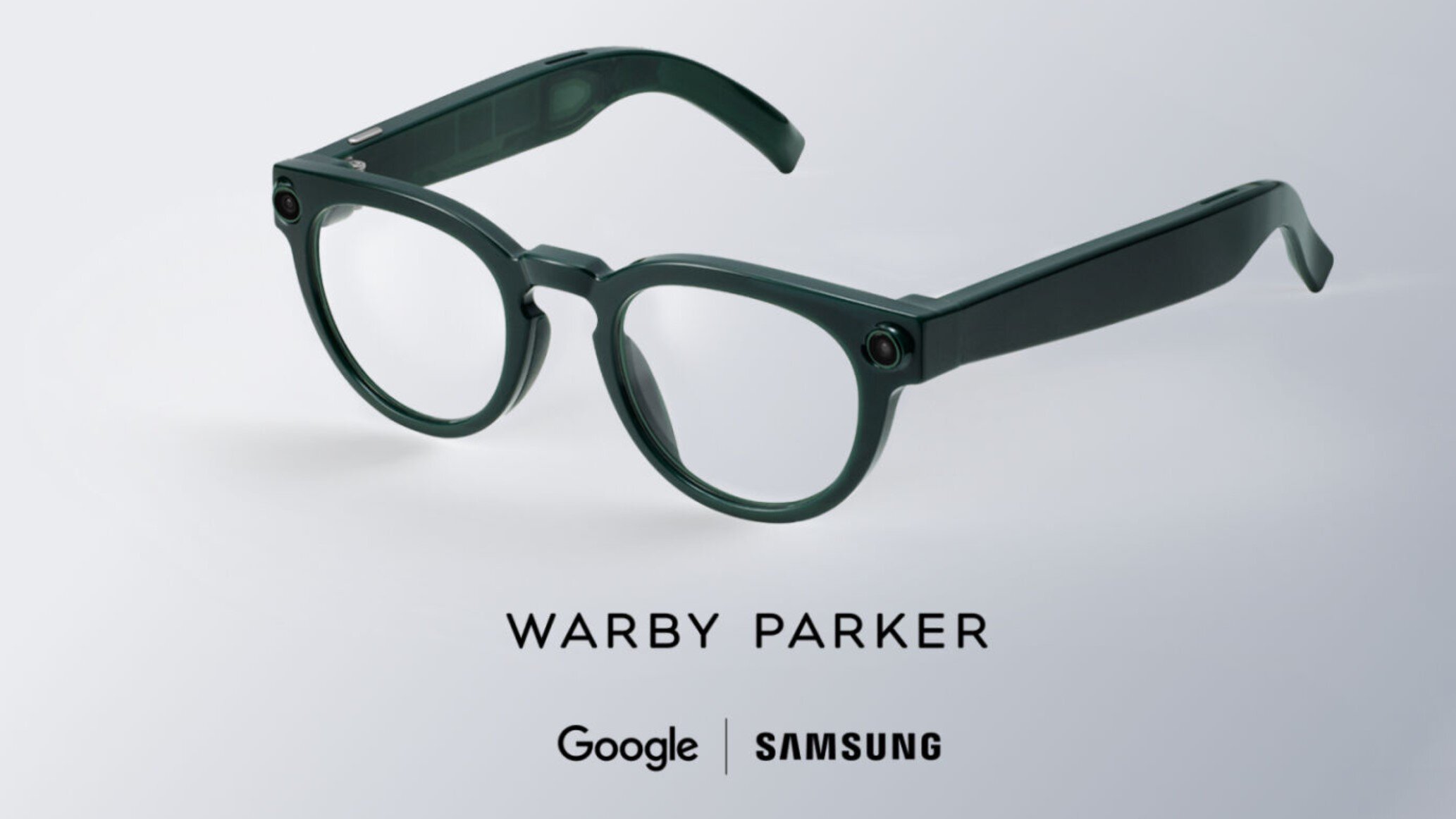
Samsung's strategy further benefits hackers by fostering hardware diversity. The company is partnering with fashion brands like Gentle Monster and Warby Parker, ensuring a variety of aesthetic and functional options. Some models are even display-less, leveraging a connected Galaxy phone for heavier AI processing, offering a lightweight entry point.
The integration of Google's Gemini AI, coupled with the ability to offload demanding processing tasks to a paired smartphone, provides a powerful and flexible architecture. This allows hackers to experiment with complex, on-device AI applications without needing the glasses themselves to house supercomputing power.
While some players pivot to audio-only, Xreal is championing display-equipped Android XR with its Aura smart glasses. Developed in collaboration with Google and Qualcomm, Aura promises integrated screens. This finally delivers a true display-first Android XR experience, which is crucial for building visual, augmented reality applications.
This confluence of open platforms like Android XR, diverse and powerful hardware from Samsung and Xreal, and robust AI capabilities through Gemini, means unprecedented access for hackers and builders. The traditional barriers to entry are significantly lowering, and the potential for novel, custom applications is exploding.
Unlike Meta's tightly controlled ecosystem, Android XR empowers developers to innovate without the constant threat of opaque policy changes, arbitrary app store rejections, or the suffocating constraints of proprietary tech. It's a return to the open web's spirit of creation, but applied directly to wearable AI.
This fundamental shift fosters a creator economy around smart glasses, moving far beyond simply consuming content or passively recording life. Hackers can now build custom AI assistants, develop highly niche augmented reality tools, or even design entirely new interaction models that corporate giants have yet to conceive.
The smart glasses market is undeniably maturing beyond its initial fascination with surveillance-enabled devices. The real innovators, the next wave of disruptive talent, will not be found confined within walled gardens. They will thrive in the open fields of Android XR and similar platforms, leveraging accessible hardware to forge the next generation of smart eyewear experiences.
Interactive guide — prices, displays, cameras, battery.
Share this story