Analysis · —
Meta's Retreat Confirms It: The HUD-Only Glass is Quietly Winning
While camera-laden smart glasses spark privacy fears and overheat, a pragmatic revolution is underway. The future of smart eyewear isn't about surveillance, but focused, display-first augmentation.
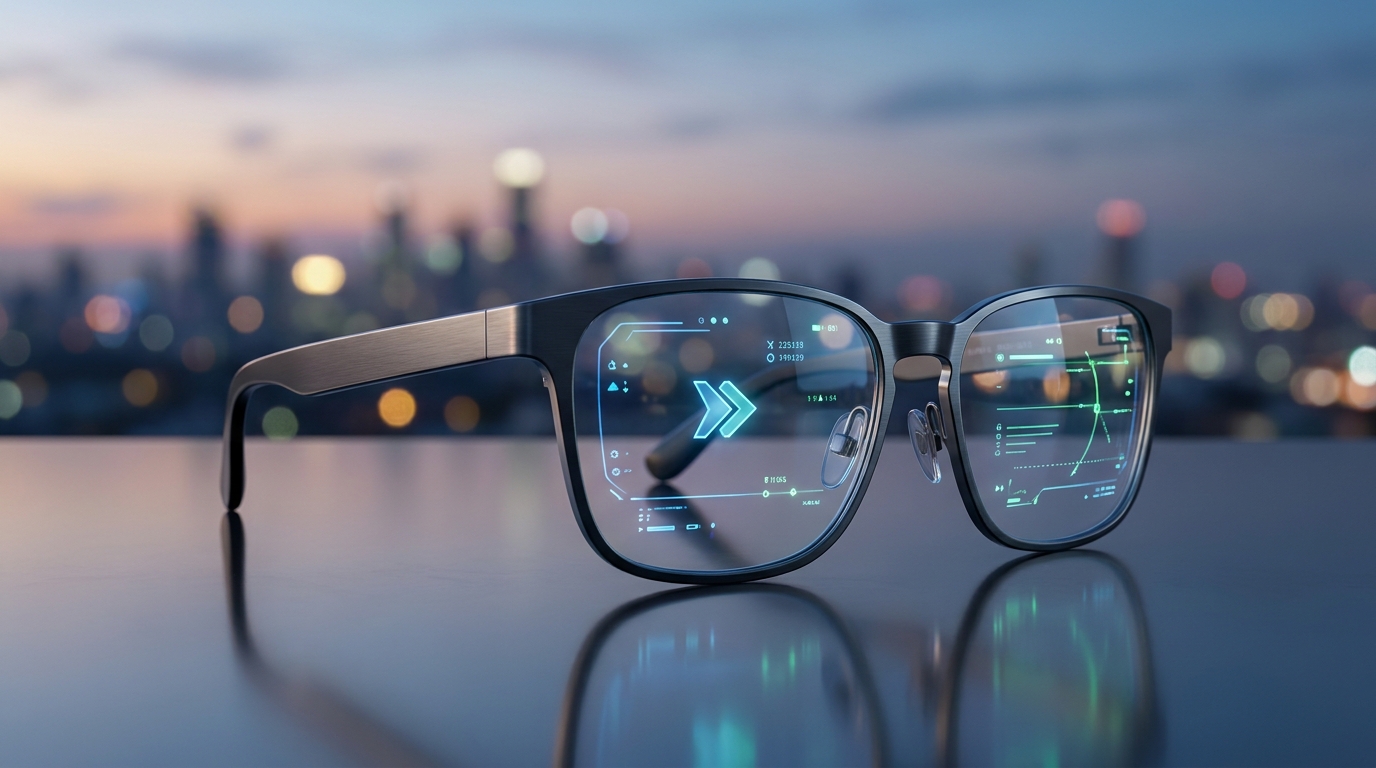
The smart glasses market is a chaotic spectacle, often fixated on the wrong metrics. Meta, with its camera-first Ray-Ban AI glasses, has indeed captured headlines and a dominant market share, boasting 81.3 percent of the 4.2 million units shipped in the first half of 2026. This aggressive push, bolstered by partnerships with SoftBank in Japan and expanded retail footprints like the new Texas AI Glasses Lab, positioned Meta as the leader of a surveillance-enabled future.
But this dominance is a fragile construct, plagued by persistent privacy backlashes and fundamental design flaws. Meta's strategy, centered on always-on recording capabilities, has triggered intense scrutiny, forcing the company into a reported 'display-less retreat' for some models. Incidents like egregious covert recording against individuals underscore the profound societal cost of this camera-heavy approach.
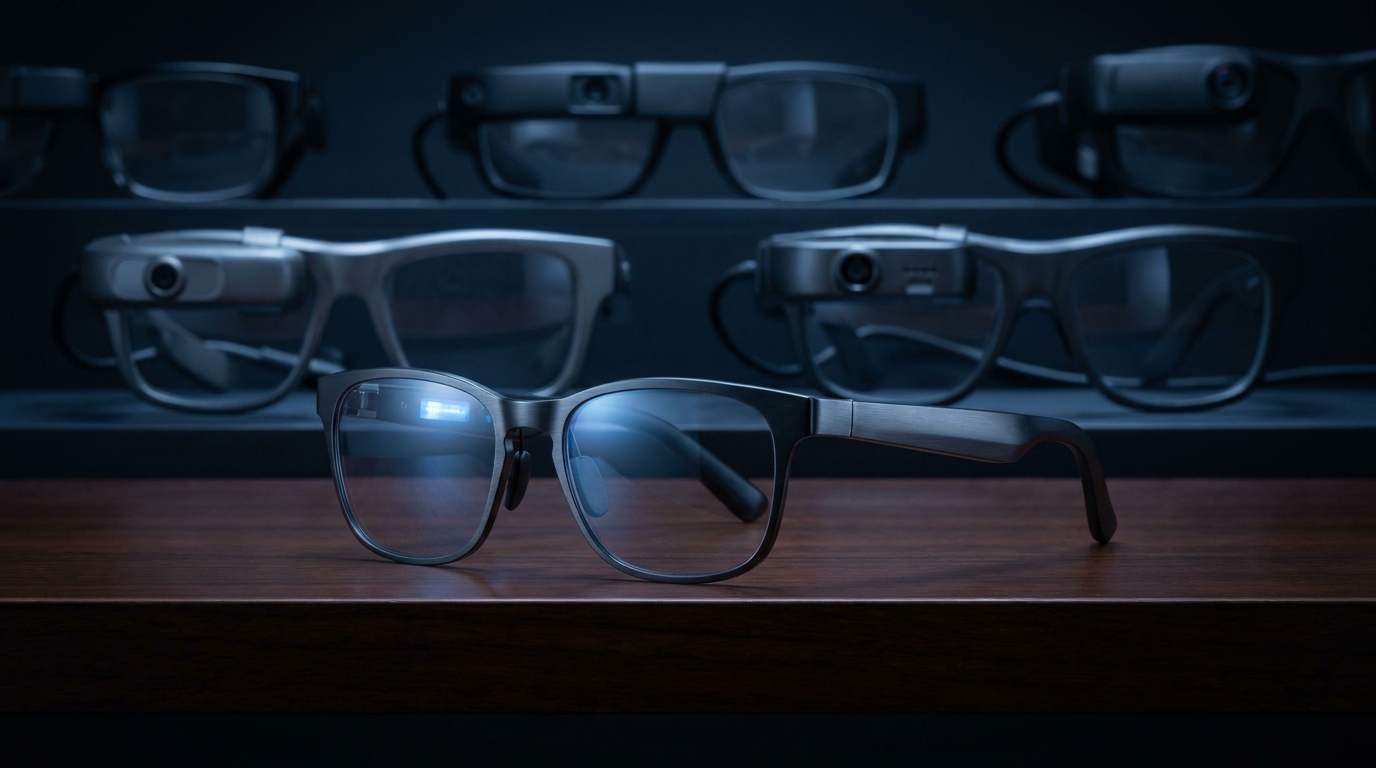
The problems extend beyond public perception, impacting core hardware viability. Meta's products consistently grapple with thermal meltdowns, a critical safety and comfort issue for a device worn directly on the face. This challenge is not unique to Meta, as evidenced by the recent recall of INMO Smart Glass AIR3 devices due to overheating temples, posing a genuine burn hazard to users.
Compounding these issues is the silent killer of the smart eyewear industry: battery life. Everyone fixates on privacy or holographic avatars, but cramming immense processing power into a discreet, all-day wearable remains a fantasy. Meta's ambition for high-fidelity experiences like Tetris Effect: Mixed Realities highlights a vision that demands power far beyond current discreet form factors.
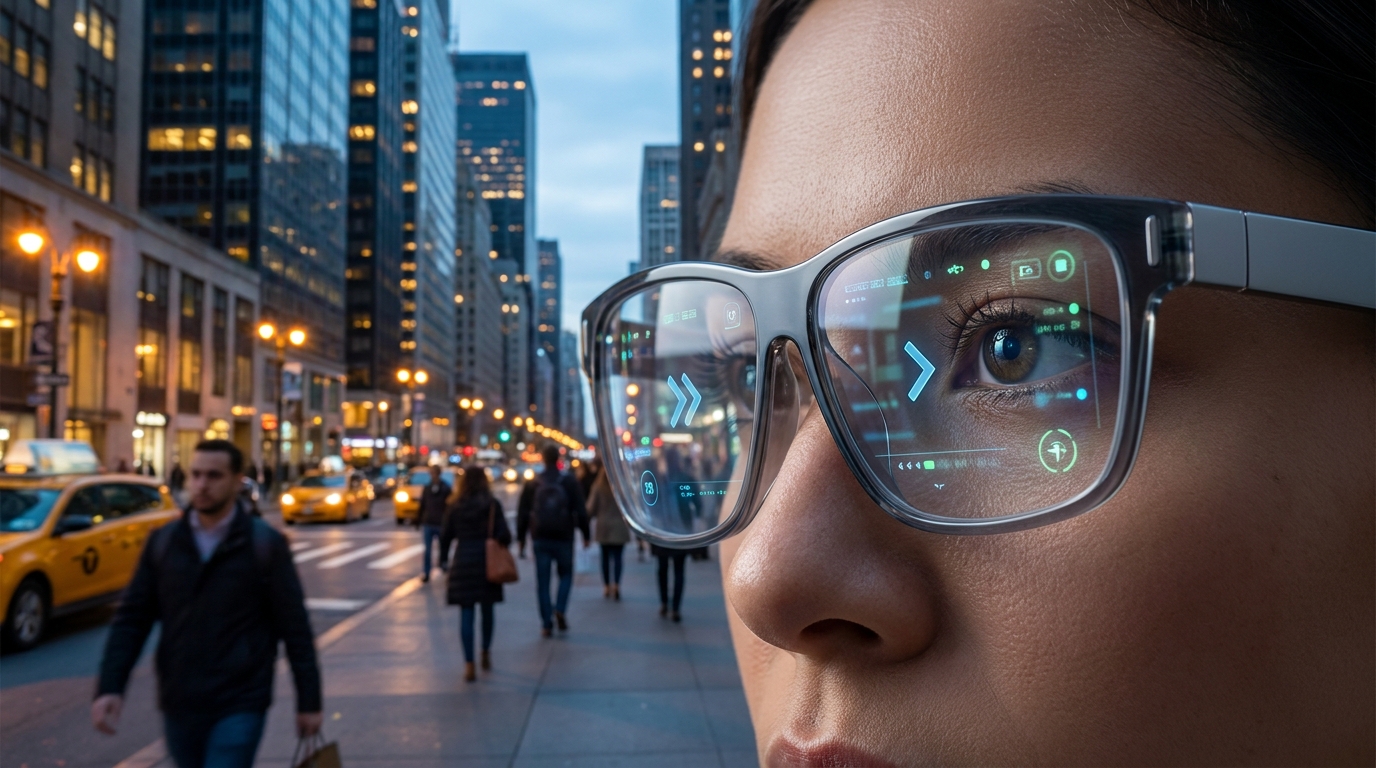
Against this backdrop of corporate missteps and technical limitations, a quiet revolution is taking hold. The future of smart glasses isn't about recording the world, but enhancing how we see it, without the social baggage of constant cameras. This is the silent comeback of HUD-only, display-first eyewear, a pragmatic shift that prioritizes utility over ubiquity.
Companies like Even Realities are directly challenging Meta's camera-heavy dominance by offering camera-free eyewear, prioritizing discretion and user trust. This philosophy signals a growing segment of the market that values practical visual utility without the privacy tightrope walk or the burn hazards. RayNeo and Rokid are also quietly perfecting the practical AR display, delivering tangible visual experiences without the constant specter of a recording lens.
A key enabler for this shift is the rise of open-source platforms, particularly Android XR. While Meta battles privacy and thermal meltdowns in its walled garden, Android XR is democratizing access and accelerating innovation for the next wave of wearables. It is the 'unsung hero' for smart glasses builders, poised to dismantle existing power structures by standardizing and accelerating the ecosystem.
Xreal's Aura smart glasses, developed with Google and Qualcomm and debuted at IFA Berlin, are a prime example of Android XR's potential. These glasses aim to finally deliver a display-equipped Android XR experience, moving beyond audio-only devices or bulky VR headsets. Aura represents a clear, focused vision for integrated displays that provide information, not surveillance.
This emphasis on integrated displays marks a crucial pivot for the industry, away from camera-driven content creation and towards pure visual augmentation. It means delivering compelling visual experiences, overlays, and data points directly into the wearer's field of view, discreetly and efficiently. The utility is in what you see, not what you record.
Even as the industry grapples with the fundamental challenges of form factor and power, solutions are emerging that side-step Meta's pitfalls. Snap, for instance, has opened pre-orders for its Specs, positioning them as autonomous AR glasses. These lightweight devices integrate all computing power directly into the temples, eliminating external body packs or smartphone tethers, an entirely different approach to self-contained visual augmentation.
Meta's 'display-less retreat' for some models is not a minor adjustment, but a tacit admission of strategic error. Their aggressive push for camera-first devices, despite securing significant market share, has proven to be a fragile construct. The privacy backlash in places like India, coupled with persistent thermal and battery issues, makes this model unsustainable for long-term growth and user adoption.
The smart glasses arena is indeed a battleground, but the true AR display war is being won by a different class of contenders. They are delivering tangible visual utility without the social baggage or the burn hazards. The shift to a display-first approach, championed by companies like Even Realities and enabled by platforms like Android XR, represents a more viable and ethically sound path forward.
This trajectory suggests that the market is diversifying, moving beyond the singular, camera-obsessed vision. While Meta continues its aggressive distribution strategies via SoftBank and new retail labs, the underlying currents favor more focused, less intrusive devices. The silent comeback of HUD-only glasses is not just an alternative, it is the fundamental redefinition of what smart eyewear can be: a tool for enhancement, not observation.
Interactive guide — prices, displays, cameras, battery.
Share this story