News · Meta
Meta Patents Facial Recognition for Smart Glasses: A Risky Bet on AI
Meta's latest patent filing details technology that can identify individuals in recorded video, label clips with relationships, and automatically generate social event highlights. This move comes as the company's smart glasses already face public bans over privacy concerns.
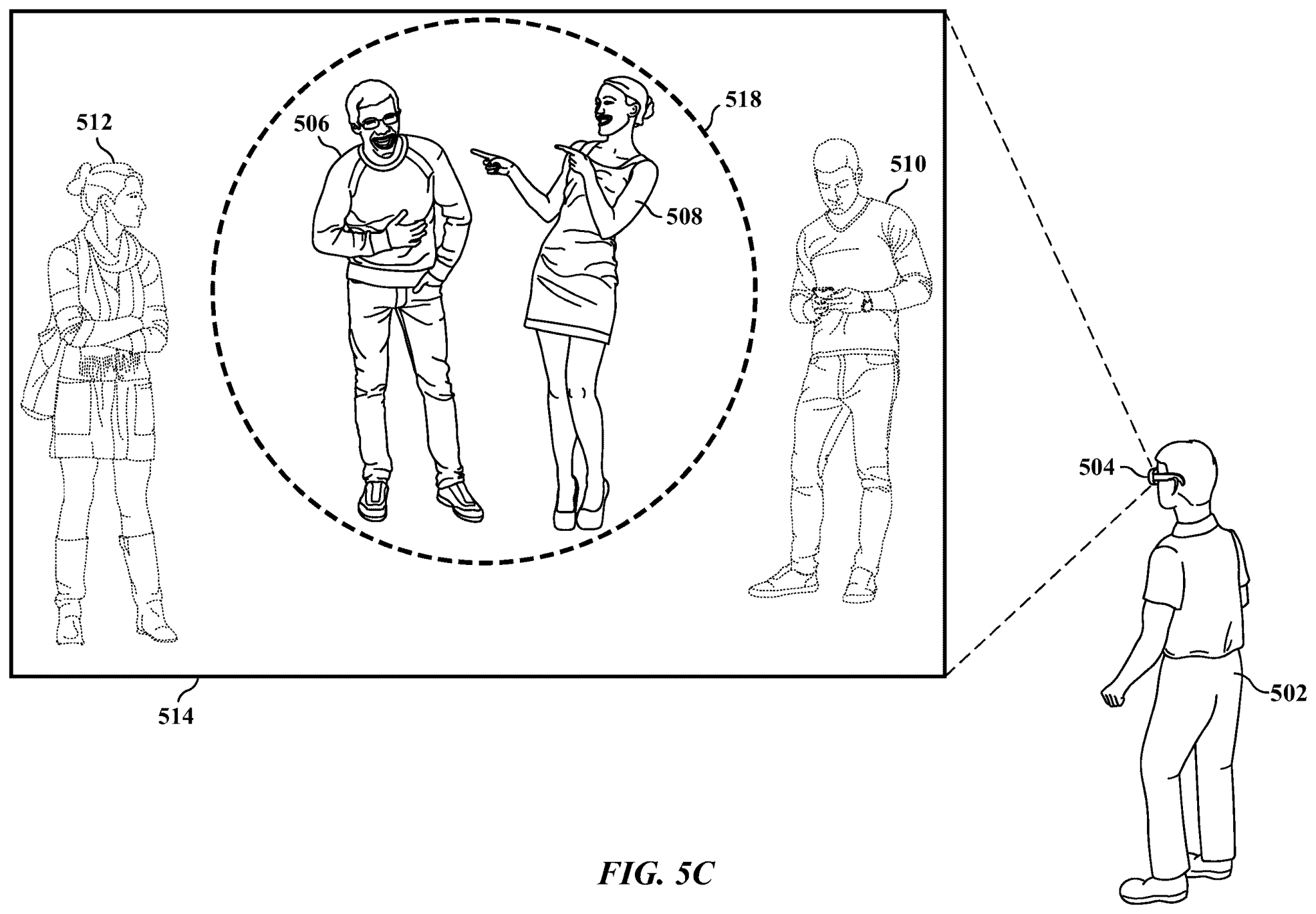
Announced August 17, 2026, Meta has filed a new patent application that outlines advanced facial recognition capabilities for its smart glasses. This strategic move, detailed by 404 Media, indicates the company is pressing forward with ambitious AI features despite ongoing privacy debates.
The patent describes a system where smart glasses would employ built-in facial recognition to identify individuals within the camera's frame. It could then generate video clips, labeling participants, their activities, and their relationship to the wearer. Imagine attending a dinner party: the AI could automatically ask the wearer if they want highlight reels of the event.
PCMAG reports that this patent points to a broader camera system leveraging AI to analyze multiple feeds and pinpoint moments of interest. While the patent illustrations specifically depict smart glasses, PCMAG notes the underlying technology could also be adapted for security systems.
Meta's existing smart glasses already face significant backlash regarding privacy. PCMAG highlights that smart glasses have been banned from various public spaces, including pubs, bars, clubs, and theaters across the UK. Similarly, New York courtrooms have prohibited their use to prevent secret recordings.
Our take: Meta's pursuit of facial recognition in smart glasses is a calculated risk. While the utility for memory capture and content creation is clear, the public's current apprehension about always-on recording devices, especially those with advanced identification features, cannot be overstated. This patent signals Meta's long-term vision for deeply integrated AI, but it also underscores the growing tension between innovation and privacy in the spatial computing era.
Interactive guide — prices, displays, cameras, battery.
Share this story