Apps & Use Cases · Meta
Meta Distributes AI Smart Glasses to Visually Impaired Veterans at UT
A Texas workshop highlights how Ray-Ban Meta glasses and multimodal AI are transforming daily accessibility for blind veterans.
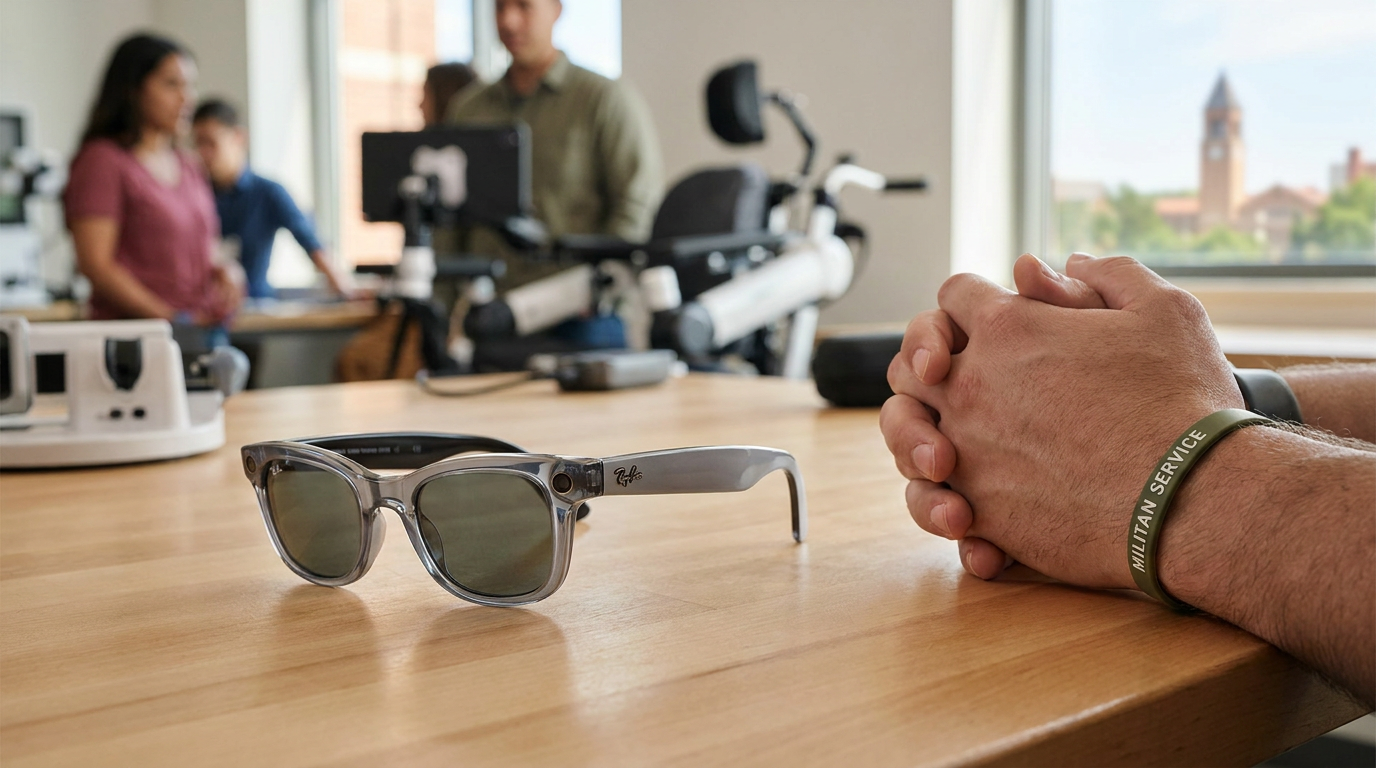
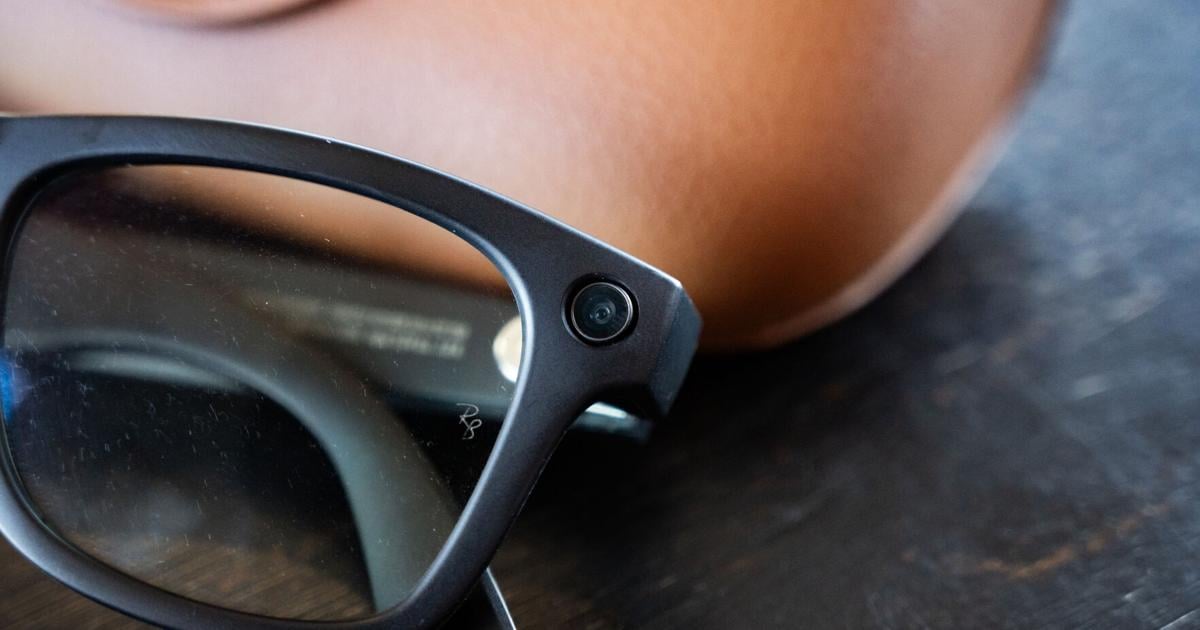
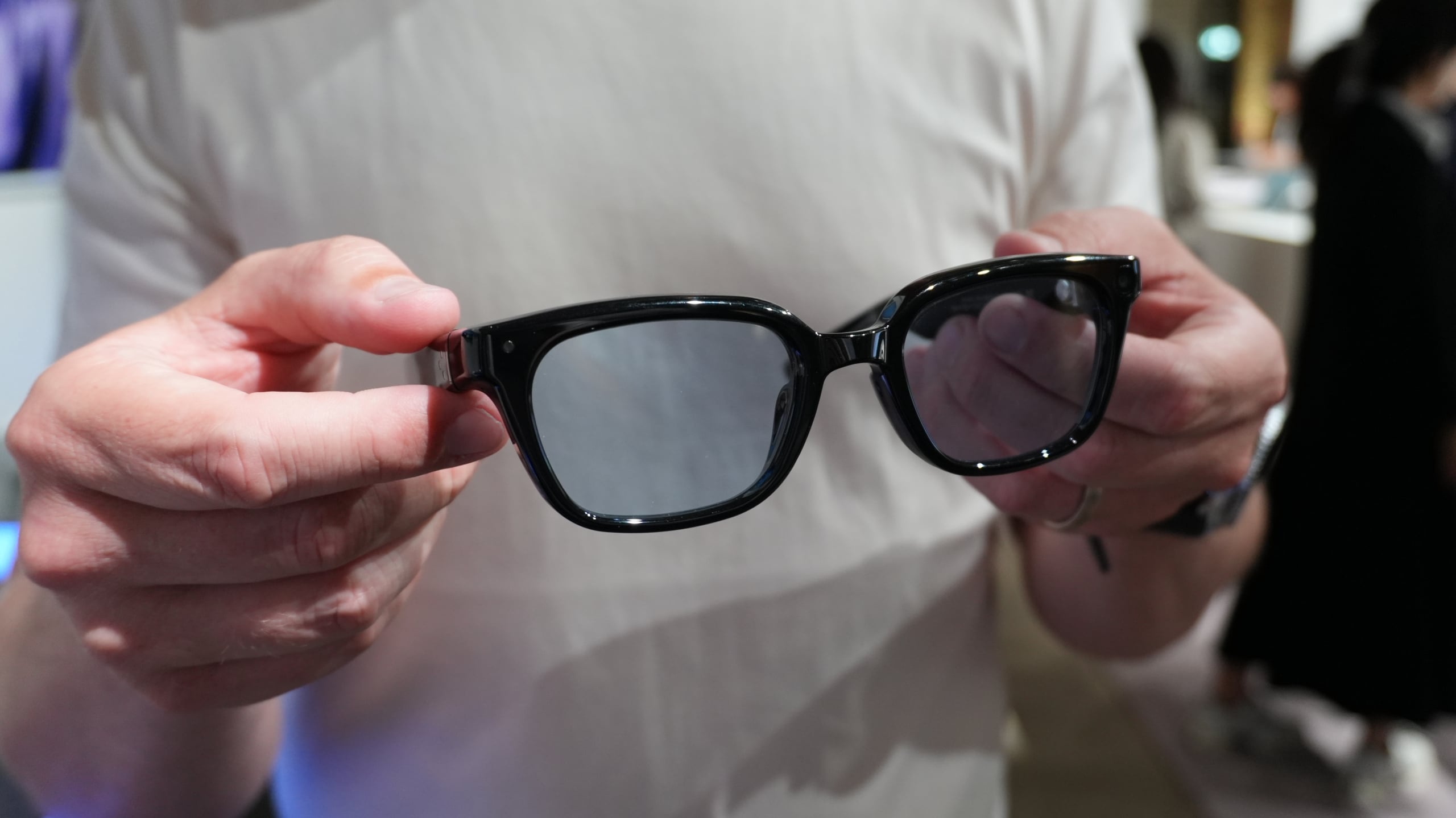
Reported this week by thedailytexan.com, a targeted initiative brought Meta's multimodal smart glasses directly into the hands of blind and low-vision U.S. veterans. As part of a broader corporate pledge announced earlier this year to distribute 130,000 pairs of Ray-Ban Meta AI glasses to visually impaired service members, a dedicated training session took place at the University of Texas Dell Campus for Advanced Research.
The regional distribution was coordinated through a coalition including Meta, the East Texas Lighthouse for the Blind, the Texas Technology Access Program at UT, the Blinded Veterans Association, and Austin Lighthouse for the Blind. As reporter Eleanor Burns detailed for thedailytexan.com, the event was structured around hands-on onboarding rather than simply handing over hardware. Alicia Lansford, vice president and chief mission officer for East Texas Lighthouse, explained to the outlet that the team prioritized connecting participants to wider assistive support, noting that the goal was 'not just about walking in the door and getting the technology and getting the training, but also having the opportunity to connect that low-vision veteran to other resources as well.'
The initiative leverages the Texas Technology Access Program, a federally funded service housed at UT Austin under the U.S. Department of Health and Human Services. Program director Angela Standridge emphasized to thedailytexan.com that assistive technology serves to help individuals live independently, pursue education, work, and engage actively in their communities. Equipping veterans with multimodal smart glasses provides instant, hands-free machine vision to describe physical surroundings, read printed correspondence, identify household items, and navigate complex transit spaces.
What this means: Accessibility has quietly become the single most compelling, high-utility use case for audio-first smart glasses. While mainstream consumers often view onboard AI cameras as novel tools for social media capture or quick trivia, users with low vision rely on them as an essential second pair of eyes. By embedding conversational multimodal models into standard, stylish frames, Meta has managed to bypass the social stigma and exorbitant pricing historically associated with specialized medical assistive hardware.
The wider landscape is taking notice. Dedicated assistive hardware makers such as Envision have spent years adapting enterprise eyewear like Google Glass Enterprise Edition for sight-impaired users, often carrying price tags north of a thousand dollars. Mainstream platforms like The Verge have frequently pointed out that consumer smart glasses selling at standard retail prices ($299 for baseline Ray-Ban Meta frames) fundamentally undercut legacy assistive tech pricing. When paired with partnerships like Be My Eyes, consumer eyewear becomes a ubiquitous accessibility platform overnight.
Our take: Deploying 130,000 devices is not merely philanthropic posturing; it is a massive real-world testing ground for Meta's visual language models. Feedback gathered from low-vision veterans navigating real streets, reading signage, and managing physical tasks will offer invaluable edge-case training data for future contextual assistants. As smart glasses advance toward continuous video streaming and lower latency, accessibility features will define the baseline expectations for all ambient wearable computing.
Interactive guide: prices, displays, cameras, battery.
Share this story