Guides · Lucyd
Lucyd's Reebok Octane: An Audio-First Entry into Smart Glasses, Explained
In a market clamoring for AR and AI, Lucyd debuts with the Reebok Octane, a smart eyewear focused solely on audio. We dissect its minimalist strategy and whether it's a savvy play for accessibility or a step behind the curve.

Lucyd makes its debut on the Smart Glasses Daily radar with an intriguing, if minimalist, proposition. In an era obsessed with spatial computing, AR overlays, and integrated AI cameras, Lucyd enters the fray with the Reebok Octane: a pair of smart glasses focused purely on audio.
This immediately begs the question: in a rapidly evolving market pushing visual experiences, can an audio-first approach carve out a meaningful niche, or is it a strategic misstep? Lucyd’s strategy, anchored by a prominent sportswear partnership, suggests a calculated play for accessibility and everyday utility over bleeding-edge visual tech.
Our verdict? Lucyd is targeting a vital segment often overlooked by the tech giants: the user seeking unobtrusive, reliable smart audio in a familiar form factor, without the cost or complexity of a camera or display. It’s a deliberate pivot away from the maximalist vision, and one that deserves scrutiny.
Lucyd, as a new name on our main beat, isn't entirely new to the smart eyewear space. Their background has centered on blending Bluetooth audio with traditional eyeglass frames, positioning themselves as a more stylish alternative to earbuds or cumbersome headsets. The collaboration with Reebok, a global athletic lifestyle brand, marks a significant escalation of their market presence and ambition.
This partnership is crucial. It signals a move beyond niche tech circles, attempting to tap into a broader consumer base that prioritizes active lifestyles, brand familiarity, and functional design. The Reebok Octane isn't just a Lucyd product; it's a statement piece aimed at fitness enthusiasts and casual users who value convenience and a seamless audio experience during their daily routines.
The timing is astute. As smart glasses transition from experimental gadgets to aspirational consumer tech, the market is beginning to segment. Lucyd is deliberately targeting the "gateway drug" segment—an accessible, non-intimidating entry point for those curious about smart eyewear but not yet ready for the full AR immersion or the privacy implications of integrated cameras.
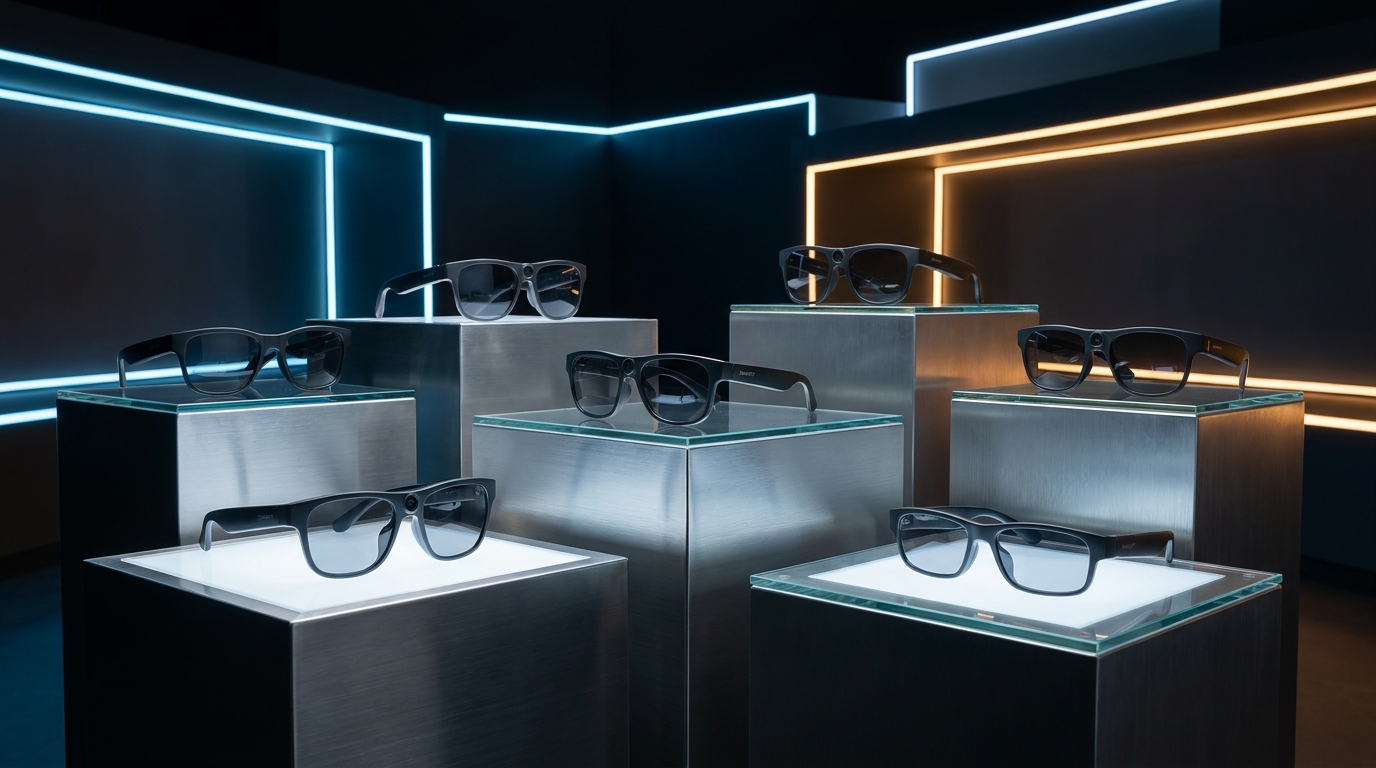
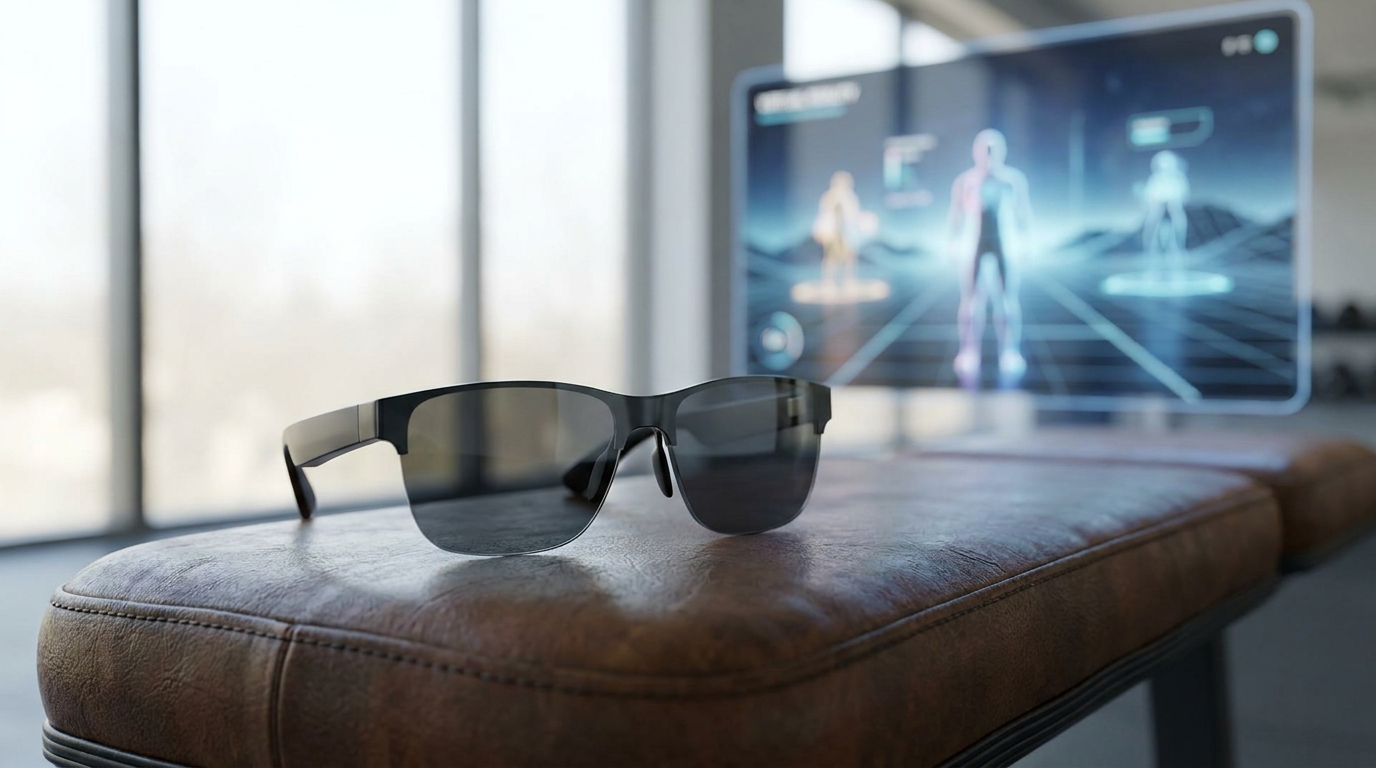
Lucyd’s current flagship, the Reebok Octane, is a testament to this focused strategy. Priced at a highly accessible $199, it undercuts much of the nascent smart glasses market, immediately appealing to budget-conscious consumers. The Octane is designed for active use, featuring polarized mirror lenses that offer sun protection and an adjustable anti-slip bridge for secure wear during movement.
Battery life is a respectable 8 hours, a practical duration for most daily activities, workouts, or commutes. Crucially for its target audience, the Octane incorporates touch controls specifically engineered to work even with wet hands, a thoughtful detail for runners, cyclists, or anyone caught in unexpected weather.
However, the Octane’s defining characteristic is its omission of visual components. There is no camera, no display, and no augmented reality capabilities. This is a pure audio-only device, functioning essentially as high-quality, open-ear Bluetooth headphones integrated into a stylish frame. This simplification is both its greatest strength and its primary limitation, depending on the user's expectations for "smart" glasses.
Positioning the Reebok Octane against its contemporaries reveals a stark differentiation. Companies like Viture, with their Pro XR and Luma Pro spatial display glasses, occupy the high-end of immersive visual computing. TCL RayNeo, with the Air 3s and X3 Pro, similarly pushes the boundaries of AR displays. Lucyd makes no pretense of competing in this visual space; the Octane’s $199 price point and audio-only focus place it in a distinct, less complex category.
A more direct, albeit still distant, comparison can be drawn with Meta’s Ray-Ban Meta and Oakley Meta HSTN glasses. Meta’s offerings include integrated cameras for capturing photos and video, rudimentary AI features, and sophisticated audio, typically starting around $299. While both deliver audio in a glasses form factor, Meta’s products are fundamentally camera-first, opening doors to advanced AI features and content creation. Lucyd, by contrast, completely avoids the camera, sidestepping privacy concerns and complex visual processing.
The Octane’s core differentiator is its unapologetic simplicity and price accessibility. It aims to be a premium audio experience for those who want to avoid earbuds or bulky headphones, wrapped in a recognizable, athletic brand. It prioritizes practical, active-lifestyle functionality over ambitious, often buggy, visual computing or a feature-packed but higher-cost ecosystem.
The Lucyd Reebok Octane is tailor-made for the pragmatic consumer seeking an elevated audio experience and hands-free convenience, without the cost, complexity, or privacy concerns associated with cameras or AR displays. It’s an ideal choice for athletes, outdoor enthusiasts, or anyone who values a discreet, comfortable audio solution over visual immersion. Its strengths lie in its competitive pricing, robust design features like the anti-slip bridge and wet-hand controls, and the powerful mainstream appeal of the Reebok brand.
However, its primary weakness is also its core identity: it's an audio-only device in a category increasingly defined by visual AI and AR. For "Smart Glasses Daily" readers, the Octane serves as a crucial reminder of the diverse entry points into smart eyewear. In the next 12 months, we’ll be watching to see if Lucyd attempts to integrate more advanced AI functionalities (beyond basic voice assistant integration) or introduce visual components into future models, or if they double down on perfecting the accessible, audio-first smart glasses experience. Can they own this segment before others encroach, or will the market demand for visual intelligence eventually leave them behind?
Interactive guide — prices, displays, cameras, battery.
Share this story